
Springsteen Biography – Insightful but a little self indulgent
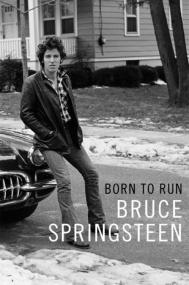 I waited for the audiobook version of “Born to Run,” the Bruce Springsteen autobiography, to become available, despite buying the hardback version of on its day of release. I am delighted that I waited. The audiobook is narrated by Springsteen himself and it is a very unusual rock biography (I have read a lot of them). Most rock biographies drag us through 60 or so pages of boring working class childhood memories – then there is the chance meeting and formation of the band, followed by 200 pages of hedonism, failed relationships, rehab and the inevitable decline. In Springsteen’s case, he uses his childhood and, in particular, his relationship with his father, to frame the entire narrative. It is compelling. The story takes us from his youth in Freehold, New Jersey, right up to the present day, including the death and eventual replacement of Clarence Clemons. There are a rich variety of characters in the story, and despite this being a rock biography, many of Springsteen’s fans will identify with his stories of his father’s failing mental health, doting on his own children and the sometimes difficult relationships with band members who were, in fact, employees.
I particularly enjoyed his descriptions of the records, the locations, the personalities involved in Bruce’s recording career and his own observations of particular events that many of us will remember fondly (the Dancing in the Dark video, Artists Against Apartheid, the Superbowl even the bootleg concert at Bryn Mawr in 1974). At last I get what Tom Joab was all about and how it fits into his discography (although Human Touch and Lucky Town are completely discarded in the narrative).
Springsteen is frank about his relationships, his depression & anxiety and, to a degree, about his family. Clearly, being an autobiography, lots of information about friends and family has been withheld – and there is probably an overemphasis on his own mental health as a consequence. At times this can be a little self indulgent – did we really need a vivid description of a panic attack, cured by a clonazepam tablet, that occurred in Dublin? Possibly the most disappointing component is how he airbrushes over the 3 year career hiatus (1975-78) that could (and for most artists would) have torpedoed his career. This was a time when Springsteen was involved extensive litigation against Mike Appel – his original manager and publisher, and was unable to tour or record. What did he actually do? This story is well documented in the book “Bruce” by Peter Ames Carlin (which, in fairness, plugs most of the other gaps). Conversely, I thought he handled his major controversy, the ending of his marriage with Julianne Philips, with tremendous dignity and grace.
 Most refreshingly, this was a biography that was not full of drug fuelled hedonism; it is a portrait of an extraordinary-ordinary guy. If you were to read only one chapter – the one about “My Voice” towards the end tells you everything.
“Petty: The Biography” – the Tom Petty biography by Warren Zanes is a remarkably similar book. Petty, of course is from Florida, and he also served a long, painful apprenticeship before becoming successful. Similar to Springsteen he had problems with management, the band, his wife etc. He also became a celebrity buddy of George Harrison, Roy Orbison etc. in The Travelling Wilburys and remains one of the few 70s rock stars to continue to make good records well into this decade.
Both Books strongly recommended.
 audioexchange