
Portable Audiophilia – now is the time
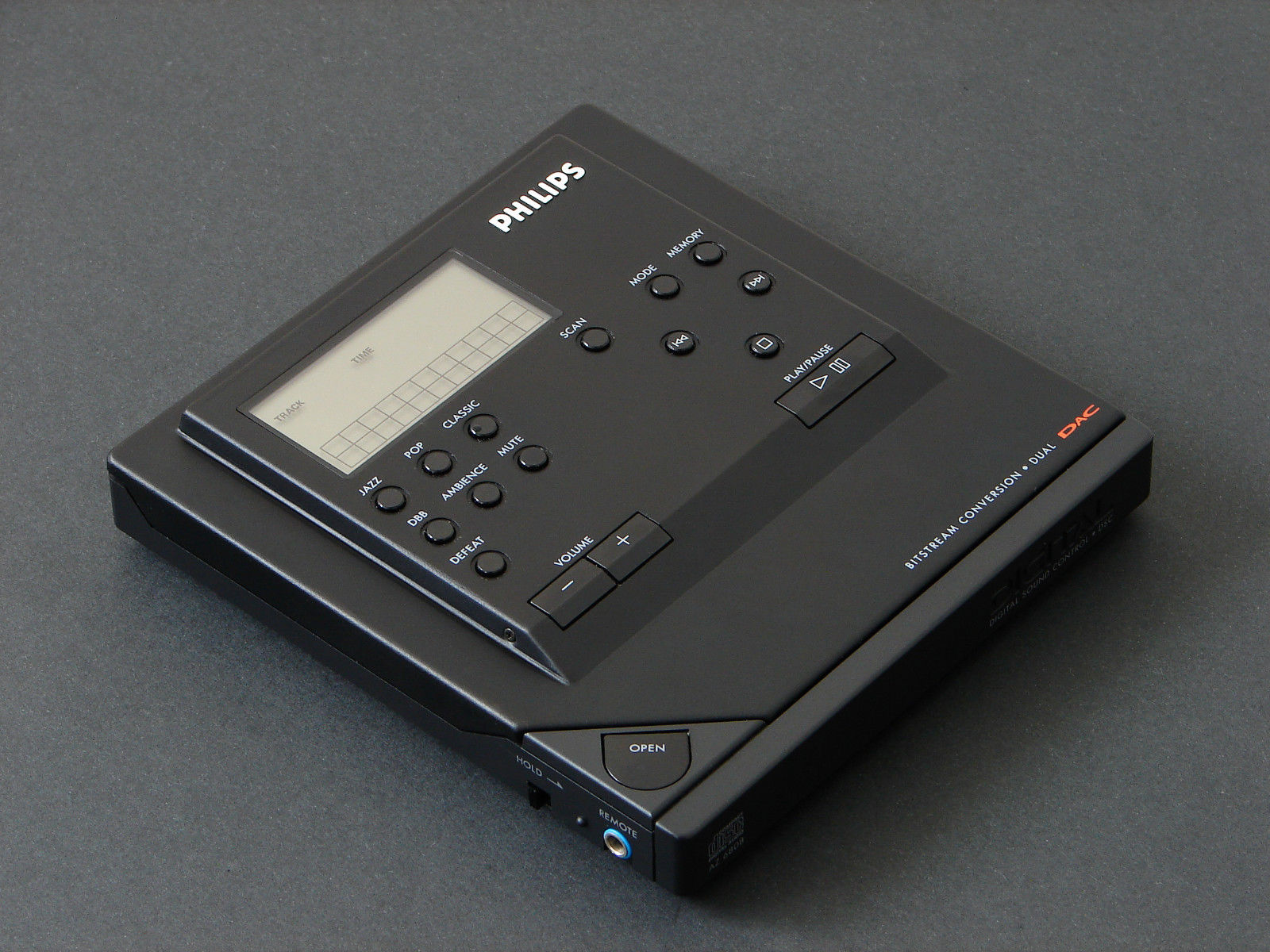
For a month or so in about 1993 or 1994, I stopped each day to look in the window of an electronic shop that was selling a Philips (semi) portable CD player with rectangular shaped wireless headphones. The price £500 (three or four times the price of the Sony Discman). Philips had developed “bitstream” 1-bit sampling technology that was supposed to make CDs sound more analogue. That heralded the era of 1-Bit CD players and ultimately led to SACD using the same process. But back then, what was tantalizing about that player was that it could, possibly, replicate high end audio for a relatively (but unaffordable for me) modest price. It starts with the headphones, though.
People often forget that the early to mid 90s was a golden era for hi-fi. If you had any self respect you needed to have a “system” – preferably separates, but those radio/CD/tape deck things from Aiwa or Pioneer were ok (mini or midi systems). For portability you had cassette or CD Walkmans and crappy headphones. I always bought good headphones – I have boxes of them – all still working. Headphones are the least expensive route to an audiophile experience. I am frequently asked – I want headphones – good ones – which is the best headphone brand?
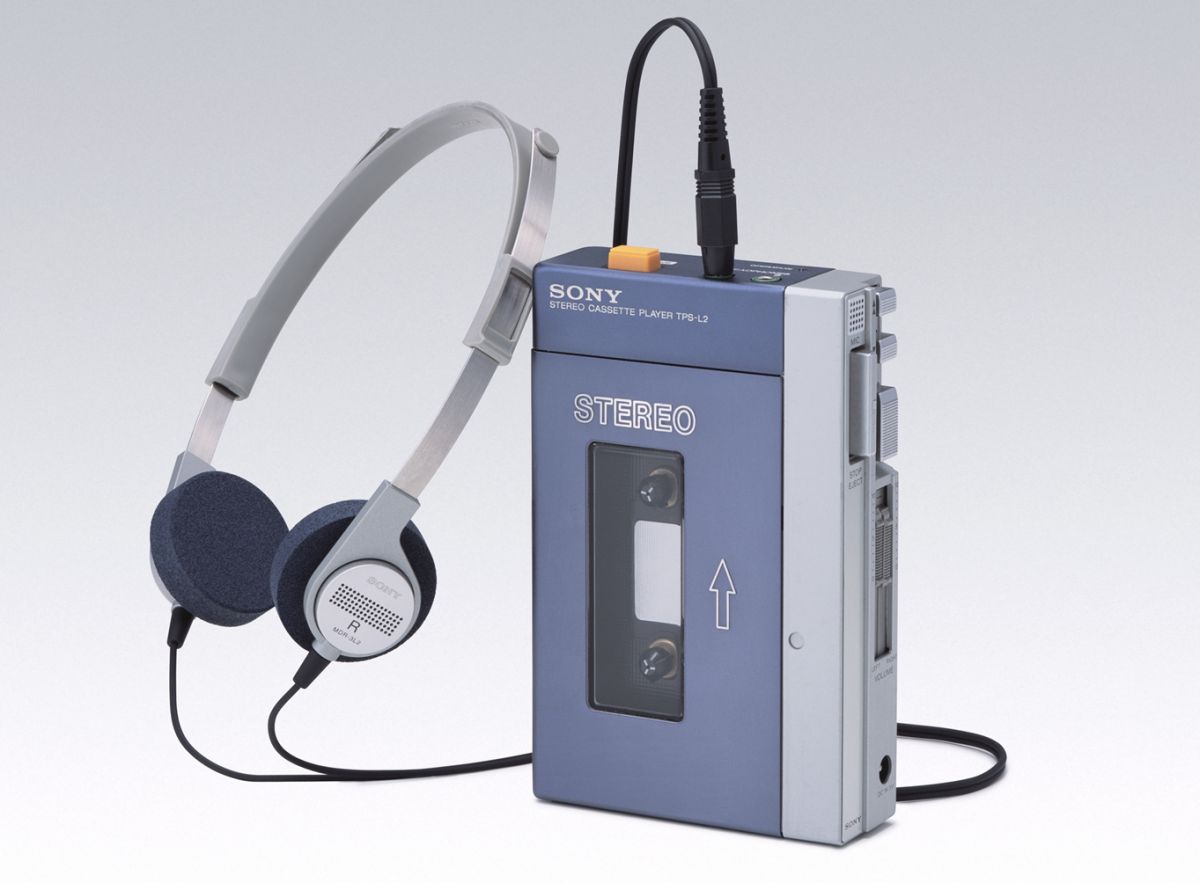
Headphones are “in” these days – some are astonishingly expensive. I must confess that I am a bit snobby about “cans” – I believe that you should get the highest fidelity sound for the amount of money that you spend. Seeing people wearing “Beats” brand headphones – just disappoints me <“you could have gotten so much better for your money.”>
So what is the best headphone brand? I haven’t heard them all but I have had every conceivable type of headphone from Grado, Sennheiser, Bowers & Wilkins, Bayer Dynamic, Bang & Olufsen, JBL, AudioTechnica, Shure, Klipsch and others. Essentially you have a choice between in ear (ear buds) and over the ear (sitting on top or enclosing the ear) headphones. Over the ear phones are bigger, heavier and may be open backed or closed backed. It is believed that open backed headphones giver an airier sound and sense of space. On the other had – such is the degree of annoying noise leakage – you are unlikely to live to appreciate it.
I have discovered that there is absolutely no correlation between ear buds’ sound quality and price. It is nearly 40 years since ear buds first arrived. Even €30 wired bud from a reputable brand sound very good. Higher end earbuds are now mostly wireless (due to Apple killing off the 3.5mm jack in the iPhone). If you want the combination of good (but not audiophile – but get real here – you are out jogging or on public transport) sound, utility, flexibility and desirability – it is impossible to beat the Apple Air-Pod Pro. This is the best product that Apple has produced since Steve Job’s death. I have tried – and hated – a variety of other Bluetooth enabled ear buds.
The best headphone manufacturer? Hmmmmmmmmmmm……. having given this considerable thought – I have no doubt that it is, hands down, no question……Sony. Yes they are a mammoth electronics corporation that produce all kinds of gadgets – but Sony have been in the headphone business for decades and, at any price level, the Sony product is always good. Whether it is a €20 pair of over the ear semi disposable headphones or the €2000 MDR-Z1s – the product is engineered to the best sound quality that can be produced for the price. The company has been in the hi-fi business for a long time – but they have never been considered a “cool” brand. I, personally, prefer Bowers & Wilkins headphones for day to day listening (particularly the P7 wired or wireless). Regardless – if you buy an expensive pair of headphones – plug them into a stereo, push play and keep it running for a couple of days to “burn them in.” It really does make a difference (I took me 2 weeks to break in a pair of Grado GS1000s). Out of the box most traditional headphones sound harsh.
Ok, back to my quest – the portable audiophile experience:
When the SACD came out in the late 1990s – I really hoped that either Sony or Philips would release a portable CD player capable of outputting high resolution audio through the headphone jack. Instead – we got CD players that played MP3s and then the iPod – and high quality portable audio receded into low priority land. When I say “portable,” I mean something that you might listen to at home or on holidays – you can take it with you – but you might not walk around with it. In the current situation, with home schooling, remote working, zoom meetings etc., I am sure that many audiophiles are struggling to listen to their expensive hi-fi systems either due to a member of the family using the space or objections to loud music in the house or apartment. So – there is a need for the “portable audiophile” system.
To have a portable hi-fi systems you need a music source, good set of headphones and something to amplify them. You no longer need something that plays physical discs; everything has simplified over the past 25 years. An obvious place to start is a DAP – digital audio player. There are lots of these available – from astonishingly expensive devices from Astell & Kern (a posh brand name subsidiary of iRiver – a South Korean consumer electronics company, like Lexus to Toyota) to the inexpensive Fiio devices – such as the excellent M9 that I own. These devices are handy, portable – they fit easily into your pocket – and sound great. As long as you have, on hand, lots of music to fill up the players. For streaming from your network and from the internet using wi-fi, they are thoroughly mediocre.
An alternative approach is to use your laptop/desktop as a source. The major advantage is that a fully functional computer (in particular Windows 10 devices) can store and play any music file, stream from any service and can output to an external DAC at any resolution. You can buy any of the Dragonfly DACs for reasonable money and have a decent audio experience (I’m told that the Cobalt is really excellent – I have one of the early models and it’s pretty good – but crucially the Cobalt it is limited to 24/96 and doesn’t decode DSD).
The best system – I think – is less complicated and works well (for me at least). An iPhone or an iPad with the camera adapter (€30) – is a close to perfect streaming source. I believe that the current, bog standard, €400 iPad is the best value and most flexible portable computing product on the market. I am not a great fan of Android tablets – as I have never encountered one that doesn’t leak battery charge – or get into some kind of funk from time to time. Into the iPad (or iPhone) via the camera adapter you can plug any USB DAC. I have chosen the Chord Mojo.
The Mojo is the size of the original iPod – encased in aluminum – with a reassuring “made in England” sticker (the Brits have always made great hifi). It has three led lights – that are used to signify charge and sample rate. It decodes everything – not surprising as the same company has serious skin in the digital audio game. Plugged into the iPad camera-USB cable (via the only weakness of the device – a hideous micro-USB plug), the Mojo happily decoded everything I threw at it (including DSD) – with no fiddling. If you view the picture below you will see that the iPad will wirelessly stream 24/192 from Qobuz and the Mojo will decode it (blue light = 192kHz). As a Roon endpoint attached to the Mojo – the iPad + mojo bears remarkable resemblance to the Meridan Sooloos that I used to dream about (at about 1/5th the price).
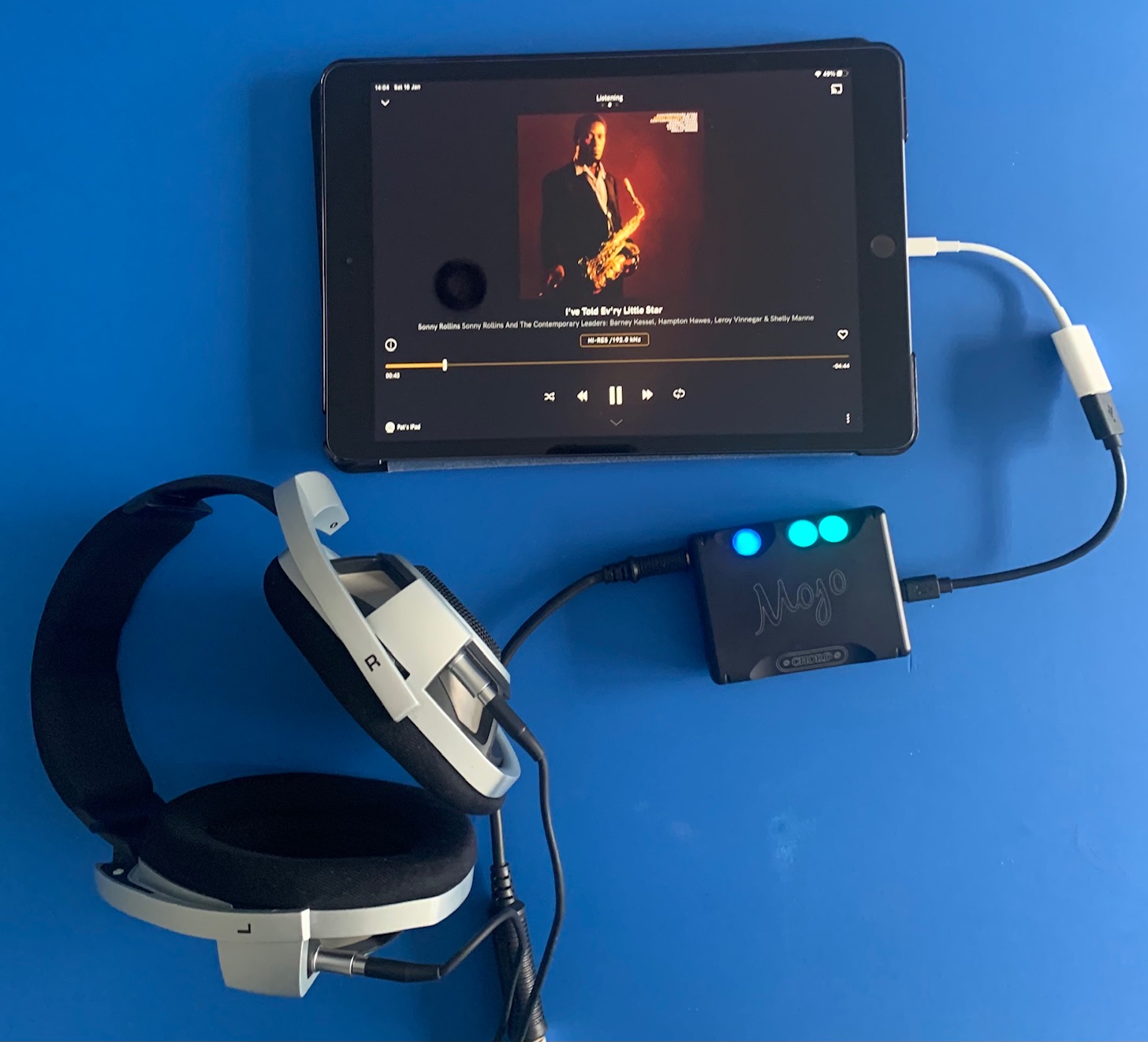
The big advantage here is that you likely already have a tablet or a large phone (maybe one just sitting in the drawer since you upgraded) and a good set of headphones. All you need is a Mojo (or equivalent) and a HiRes streaming service (Qobuz or Tidal) or Roon (for your own files). I’m sure there are a hundred different ways of making this type of “system” work. What is really important, though, is the rock solid wifi connection on the iPad. Unfortunately – if you want to surf the internet with your iPad while streaming – the site (e.g. Allmusic guide) often hijacks the audio output (which is really annoying). There is an add-on streamer for the Mojo – the Poly – but that doubles the price and, honestly, I can find an advantage – you still need a tablet or phone to control the streamer. The major drawback of the iPad is lack of expansion storage for your off line high resolution files – such as the do exist – they use the lightning connector – so no DAC.
So there it is – audiophile portable digital audio at a reasonable price.
UPDATE 8/2/2021
I obtained a USB C to micro USB connector – and plugged it into my Fiio M9: the DAP happily outputted raw data (DSD, 24/192) to the Mojo DAC – and there was a tremendous improvement in sound quality versus the DAP’s DAC and headphone amp. If the M9 had a bigger screen (or I had better eyesight), had more solid streaming, and didn’t leak charge while on standby – it would be an ideal partner for the Mojo – due to its micro SD (i.e. unlimited storage) capability.
I would strongly recommend the Mojo as a versatile portable DAC for laptops, mobile phones, tablets etc. It is probably a pretty good upgrade for most home CD players and streamers (although it does need to be charged intermittently).
 audioexchange
Never been big about headphones system. I bought a few over the years just because I needed them.
If you have 10€ to spare give these ones a try
https://it.aliexpress.com/item/32417311324.html?spm=a2g0s.9042311.0.0.72b94c4dUqDkKy
Chi-fi or so I think it can be called.
I’ve lent many models over time to my wife who is far from an audiophile (which I am not either) and always got “There is no bass”,”Distorting”, “Uncomfortable”,”Horrible” comments before these ones which got a flattening “Please order some for me”
I happen to actually have 2 pairs on the way, they are that good.
Clean, crisp, present bass not bloated and everything else. If , after giving them ago, you think you know anything better less than 50€ give me a shout.
Friend from HR.