Thoughts on Buying Vinyl Records in the 2020s

•July 28, 2022 • 1 Comment

You will forgive me for the semi disjointed nature of this column. There was a fair amount of “stream of thought” writing and not a lot of time.

Are Vinyl Record Buyers suckers, hobbyists or just people who never grew up?

I have thousands of records that I have been buying intermittently since the 1970s. I have a mountain of CDs and lots of SACDs, DVD audio discs, boxes of tapes, DVDs, BluRays, and hard drives full of bootlegs, high res downloads etc. And that doesn’t mention books. Enough stuff to fill a storage unit. My brother, 12 years younger, owns no physical music media, no books, no video tapes or movie discs. He could pack his life into a suitcase. Mine is full of records. My overhead – hundreds of thousands of pounds, dollars and euro over several decades. Opportunity cost – a holiday home in the South of France? Maybe.

What makes me different from my brother? I have a paid subscription to Qobuz (and Deezer), Scribd and Audible and various video streaming services, and bring a Kobo on my vacations. I only listen to records when I am sure to be left alone for more than 20 minutes at home. Otherwise, much of my listening is via iPhone or at home to Roon, streaming High Res, DSD or 16/44 from Qobuz or from my own NAS. He listens to music on a small portable bluetooth speaker So what is the point of owning all of those records (most of the CDs – except for the box sets – are actually in storage)?

One argument is that music fans just want a definitive version of their favourite recordings. I mused about this in 2013 and came down on the side of vinyl (in years that followed I developed a taste for DSD). A lot of folks out there clearly think the same way. It is completism. And, yes it is bonkers to have 8 different vinyl versions of “Exile on Main Street” or, in my case, “Kind of Blue.” It’s your business unless the kids are starving. In my home country approximately €1000 is gambled (most of it lost) per person per year. That grand will buy a lot of records (or one copy of Bill Evans Riversides from Acoustic Sounds). Buy a new car – 25% of it’s value is lost year one. Sometimes more. Drink “gourmet” coffee, buy lottery tickets, buy branded groceries, smoke? Then don’t judge my record buying habits.

Music is life. Each one of our lives has a soundtrack. It doesn’t matter if your musical life started with the Wombles, Gary Glitter, ABBA, Girls Aloud or Ariana Grande. Your memories are encased in music. It entertains us, relaxes us, cheers us up when we are down, prods us awake in the car, keeps us company when we are alone. It can be a shared experience amongst strangers or provide a bond between friends and lovers.

During my teenage years most people were interested in only music and sport (preferably both). Your tribe was your friends with whom you would argue endlessly about the music you liked and loathed. As we grew older and drifted apart, I wondered if their passion remained or was it replaced by the mundane life experience of work, the family, the bins, the garden and the pub. For me music was and has been a constant, a hobby. A distraction.

I believe that the world is divided into the following groups: 1. Casual listeners; 2. Fans of artists – who follow certain artists and groups and go to concerts and buy merch etc; 3. Music fans – who spend a lot of money at concerts, buy a lot of audio product or both, and read books and magazines about music and musicians; 4. Record collectors – often being more interested in the provenance and value of the product than the contents; 5. Audiophiles – who are more interested in the sound of their system than the music that they are playing on it; 6. People who have no interest in music (complete weirdos in other words).

Realistically, most audiophiles love music – maybe not a diverse range. Most record collectors have audiophile tendencies and have their own favourite recordings. Most music fans like to hear good reproduction of the products that they buy. A lot of this is based on income. If I was rich I would have a state of the art audiophile system in a purpose built room adjacent to my purpose built audio library. Most of the time I am listening to music on my iPad (Roon>iPad>Chord Mojo>Sennheiser HD800 – not shitty Beats headphones).

Are vinyl record buyers just suckers when we can stream HiRes digital from Qobuz/Amazon/Tidal?

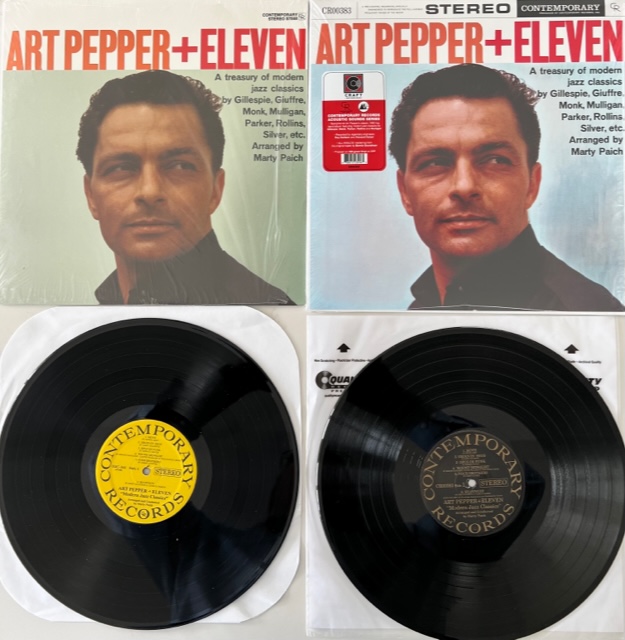
Sometimes records just sound so much better than their digital counterparts. I have been listening to Lennie Niehaus’ small group recordings, for Contemporary Records, for several months. It astonishing how much energy and musicality that engineer John Palladino was able to encode on wax – that really is absent on digital versions of the albums. These are, of course, original pressings or early reissues not 21st century “audiophile” remasters. While I was really looking forward to the Acoustic Sounds Contemporary Records reissues series  – particularly having watched the video featuring John Koenig, Chad Kassem and Bernie Grundman mastering the records in 2015 – aside from “Art Pepper Meets the Rhythm Section” in mono (appropriately released with the “Stereo Records” label) – I haven’t been overly impressed. And this is the crux of the reissue business. Viny reissues may be a lot better than CDs, but they are not necessarily better than the original records. Moreover, and certainly this is the case with the Blue Note Tone Poets, often the reissues are selling a lot more copies than the album sold back in the 1950s and 60s.

Lennie Niehaus Contemporary Records Small Group Releases

Why do we buy reissues? I believe that there are ten reasons for buying vinyl reissues:

  1. Original pressings and even all analogue reissues are extremely rare and prohibitively expensive. This is very much the case with the Blue Note catalogue.
  2. When released on vinyl, previously, the sound was really bad – this was particularly the case of the limited amount of vinyl that was produced and sold between 1998 and 2012: really lazy CD mastered onto vinyl.
  3. Original vinyl pressings in really good condition pressed on high quality vinyl that sound good are really hard to find. This is true of popular 1970s and 1980s vinyl releases – and is the reason why Better Records are in business.
  4. A lot of people are nostalgic for the records of their childhood – but their records are scratched to pieces and now that they have bought a turntable they want a fresh copy. Hence – the gazillion digitally derived copies of Dark Side of the Moon that are sold each year.
  5. A lot of people are nostalgic for CDs of their childhood and want a vinyl copy – which they may never play.
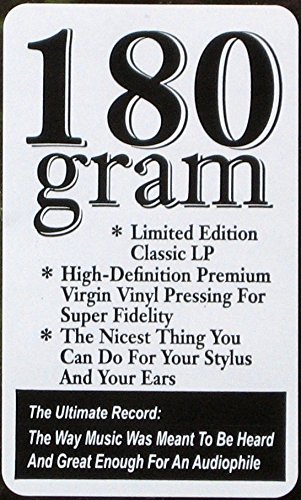
  6. Record companies hype 180g vinyl as audiophile and people believe that these new pressings are superior to originals.
  7. Records bought to decorate the apartment and indicate “good taste” – no turntable; enough said.
  8. Records bought as investment vehicles or collectors items for future profit – hmm. This goes on a lot – and is a real problem with “Record Store (->ebay) Day.”
  9. “I’m a hipster, records are cool” – well this is obviously true even if you are a dick and you buy your records from clothes shops.
  10. Compulsion – buying records is your hobby, just as stamp collecting might be or historic movie posters or artwork. It’s your thing. I believe that most of these people (and I think I am one) love music but not necessarily all of the music that they buy on vinyl.

At the end of the day there are really two types of people who buy vinyl: the ones who listen to their records and the ones who don’t. Amongst the latter are the collectors who are afraid to devalue the product and the hipsters and others who are more interested in image than audiophilia.

Do records sound better than CDs or High Res Audio files (including DSD)?

A lot of the time – yes. And this is not because there is some inherent flaw in vinyl that convinces our brains that it sounds better.

Psychoacoustics

From my own experience – and I cannot explain why – it is much easier to sit down and listen to records (whether derived from analogue tape or digital) than to digital formats – it is less fatiguing. And most audiophiles will say the same thing. And I love digital for its precision, dynamic range, clarity and convenience. However, I am still not certain, after 40 years, that digital recording and digital to analogue conversion has really managed to be fully transparent. I have a Benchmark DAC and Poweramp that sound absolutely extraordinary playing digital material – astonishing levels of detail that would really wow a visitor to the house as a demo. But sustained listening is not an option – and I play my records back through a tube poweramp.

The Value of Great Mastering

Mastering

Since 1994 – digital releases have significant bass boost and dynamic range compression. This makes hearing your album on a car’s CD system easier (overcoming the engine noise – prior to electric vehicles). It may be beneficial in the club or pub – by it is really unpleasant for home listening. This “loudness” process is also a major problem with pretty much all digital reissues from 1996 to 2016 (and most CDs still have a lot of compression). Modern records tend to centre the bass and widen the dynamic range – otherwise the needle will not stay in the groove. They are not loud. Compare a modern record to it’s CD equivalent and there is a huge dynamic range difference.

If you watch the Abbey Road and Analogue Productions videos here you will see the value of good mastering. Engineers spend weeks and months carefully constructing albums in their studios – and then the mastering engineer either botches the CD or brickwalls it (on request from the artist). With high quality vinyl (and SACD) reissues from companies like AP, MOFI, Speakers Corner etc. a flat transfer of the album will be mastered and the record will sound significantly better.

The Listening Experience

I believe that frustration with the music industry’s inability to move physical media forward has led to the “vinyl renaissance” – which has directly benefitted the music industry. Two generations – mine (Gen X) and those in their 20s – early 30s have embraced vinyl out of frustration. The want carefully curated physical product to spend their disposable income on. Millennials don’t care – they stream.

Beware Rant Ahead:
The music industry has failed miserably in the digital era to provide us with an enhanced experience when listening to digital media. People like record covers. They enjoy reading the blurb on the back cover. I can’t even read the liner notes on CDs these days without a magnifying glass. They did make an effort with CD-interactive content and Dual Disc – and certainly Deluxe Editions contained DVD videos and concerts. But this became moot in the Youtube era. SACD, DVD-Audio and Pure Audio Blu Ray were introduced and abandoned rapidly.
Worse is the ridiculous situation with SuperDeluxe Editions that contain CDs, DVDs, BluRays (Pink Floyd the Later Years) and, frequently, Vinyl as well. I cannot think of any reason why anyone who would lay down real money for a box set would even want a DVD when they can have a BluRay and I hate the cynicism of the record companies who force fans the pay $100 + tax for the SDE so that they can get a 5.1 version of their favourite album – in a big unnecessary box including several CDs filled with material that few listeners want.

The Value of Discogs / eBay and others

Most of the records that I buy these days are from Record Shops around Europe that use the Discogs platform (unfortunately the UK is no longer really an option). Whenever I travel, I visit record shops and dig through the bins – new and used. It is a great way to pass an hour. Unfortunately most of what is in the bins is dross. Forget about second hand records anywhere in Mediterranean Europe (bad pressings) and Ireland (overpriced and poor condition along with poor range). Northern Europe, UK, Germany and Scandinavia are good for second hand records. Most of which are dross. You are not going to find a first pressing of a Gerry Mulligan Pacific Jazz album in the “Jazz” bins of a random record shop in a touristy area. What you will find is a 1970s or 80s reissue – that may or may not sound good – at a reasonable price. It would take me 5 seconds to find the original album on Discogs. My experience is that I am much more likely to buy second rate records in mediocre condition directly from a record shop (when I am in a bit of a rush) than from (notoriously overgraded) Discogs.

Discogs and Ebay have been a major advance in the new analogue era by liberating record collections from the attic and providing those of us living in vinyl deserts with online oases.

Completism

Is completism the quickest route to insanity?

My heart goes out to the elderly man who paid $3000 for the MOFI one-step copy of Abraxis. He wanted the “complete set.” I recall reading forums a decade or so back, where a couple of participants described how they bought the entire Music Matters Blue Note set (it was subscription based back then to get the numbered editions): they bought 2 copies of each release – one to listen to and one “mint” to collect. Thankfully, Blue Note decided to toss in a Casandara Wilson album early in the Tone Poet series, so I wouldn’t go all completist. I’m sure that there are volumes of psychology periodicals that explain the mindset of the collector and marketing textbooks and seminars that seek to educate business people in how to exploit them. It is important to separate normal from dysfunctional psychology. People who collect “stuff” are all a bit odd; completists are odder still. Having the “ultimate” sounding version of recording is a version of completism. Save you condensation for QAnon followers.

What has changed for me since 2013?

By 2013, I had good vinyl copies of most of my favourite records (I eventually got a copy of Skylarking – I prefer the newer 33rpm) – is that my new music exploration – primed by streaming – has been in vintage records from international sellers at reasonable prices. In the description above I am 25% music fan, 25% record collector, 25% audiophile and 25% fan of specific artists and record labels. I have acquired 50+ year old records, sealed, tore open the packaging and played the album immediately.

I play my records. Do you?

Final Thoughts

Record Store Day – in general a good idea, but records are overpriced and overrated. A RSD sticker on an album or single seems to increase the asking price by 50%. I really don’t like RSD exclusives – particularly if the numbers pressed are very few – as it discriminates against enthusiasts who don’t live near record shops. Allowing online retail after 24 hours is a good step forward, nonetheless.

Picture Discs – no no no no no. These are souvenirs. They should never ever be part of a Super Deluxe Box set (Tattoo You).

Coloured Vinyl – nearly all coloured vinyl is pressed at GZ. Vinyl Me Please seem to do everything – unnecessarily – on coloured vinyl but the records sound really good. I am completely ambivalent: I would choose clear (natural) first, then black. I can see why some people think coloured vinyl is cool (one of the Lennie Niehaus singles from 1954 above picture came in red translucent vinyl). Nearly all new release records come in “limited edition coloured vinyl” editions for about 25% more than the basic black. This is total bollocks. Do fans buy multiple copies in multiple different vinyl colours – I suspect so. Whatever.

Warps / Off Centre Pressings / Infill – seems to be a problem although if you read the forums it seems that some people are either extremely picky or extremely unlucky. I have had bad experiences with Amazon deliveries from the US – almost always warped and difficult to return (I suspect that they leave the boxes out in the sun in Atlanta). Overall, I seem to be lucky and – you can always return the record to the shop or to the online retailer. Most infill issues are resolved by playing the record.

Buying from Discogs – can be a bit of a “crapshoot” – the best approach is to find reliable sellers will large numbers (or, surprisingly, a small number – usually people selling their collections – they tend to be honest) of reviews. Search the reviews for “overgraded” or evidence that disputes have been “resolved” (i.e. the buyer was pissed off about overgraded vinyl and got a refund of sorts). Avoid these. Again, Northern European’s tend to grade correctly, and Southern Europeans – well I have had some bad experience (WTTJ in Rome is a major exception, they are great) particularly in Italy (a place where they have lots of great used vinyl – you just have to dig it out).

I’ll update this if I think of anything else.

Abbey Road Use Benchmark DACs and ADCs

Final Thoughts on the MOFI public relations disaster

•July 26, 2022 • 3 Comments

Update: MOFI have quietly relabeled the production chain for many of their vinyl products (but not the one steps) see the image below:

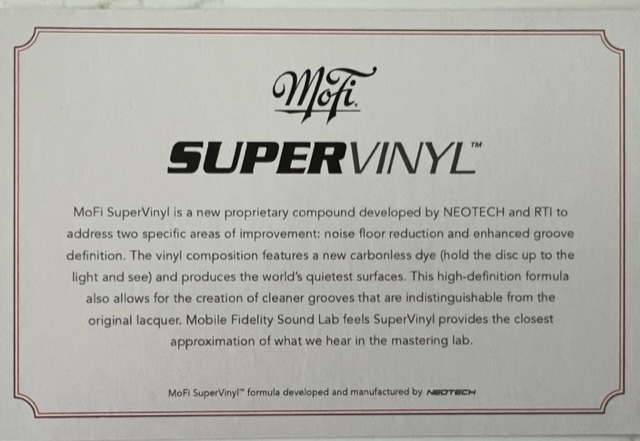
Recently added description from the MOFI website

Original Post:

Having had about 10 days to digest the Mobile Fidelity cut from digital masters shock – I thought that I would give you my own personal thoughts on the issue. Currently there are about 400 pages of sanctimonious comments on the Hoffman forums by irritated record buyers who believe that they have been suckered. There are probably another 400 blogs and youtube videos ridiculing “snobby audiophiles” for paying so much and then looking like suckers. I have looked at a couple of hilarious videos of vloggers telling “digital hating audiophiles” to “turn the bullshit” down. I don’t think that the critics quite get it. A lot of people have invested a lot of time and money into building what they thought were valuable record collections – only to discover that there were provenance issues with their property. I am going to use a couple of art world metaphors in this post – the first one worth reading is about the woman who thought she had a very valuable Marc Chagall painting. The painting may be nice to look at regardless of who painted it – but if it is a Chagall it is worth millions, if not, it is wallpaper.

I previously posted a system for determining the price of a new audiophile record. I deliberately did not price in AAA versus ADA for the simple reason that, most of the time, it is the quality of the mastering rather than the source – digital or analogue – that really matters. You can see this with Kevin Gray’s Blue Note releases – old (AAA) and new (DDA). This is not an argument of analogue versus digital – it is about cost and value.

Let me be clear – I am not an audiophile “snob” but I have bought records that I believe to have existed entirely in the analogue domain because I believe that 1. They may sound better, 2. They have long term collector value. There is a good reason why Music On Vinyl (MOV) reissues do not have the enormous resale value on Discogs that albums from Analogue Productions, Impex, Org, Mofi and others have: MOV are up front about their digital sources – and knowing this buyers also know that the company can keep pressing up digitally derived copies FOREVER. When MOFI released only 2500 copies of Abraxis One Step – the selling price skyrocketed up to almost $3000 because 1. Apparently it sounded amazing, 2. There would be no more copies pressed ever, 3. Buyers believed that it would be the ultimate reissue version. Now that we know that the record was derived from a DXD master – we also know that MOFI could potentially cut an unlimited number of acetates. In the collector realm – scarcity is everything and it trumps quality. Many of those Abraxis One Steps have never been played.

A way to look at this is from an art collector perspective. I am a big fan of Romero Britto’s artwork. I could (but can’t) buy an original painting by Britto for $45,000. That painting is the equivalent of the master tape. I can buy a serigraph of the original for about $4000 – and that will look pretty much the same, with beautiful colour and texture and a signature – that is an all analogue silkscreen-type copy. Or I could buy a poster or print for 1/10th of that price (maybe lower) – that is an analogue reproduction of a digital photograph. It is the same picture, the poster looks the same as the original – but may lack the colour depth, the detail and the texture and emotional impact of the original and the serigraph. A photograph of the painting on the screen (like streaming) may be as enjoyable as seeing the picture in person – but it is not the same thing. Collectors – whether they are “snobby audiophiles” or not – believed that by buying MOFI products they were getting serigraphs not posters. What they were getting from MOFI were posters dressed up as serigraphs.  When I bought the One Step version of The Nightfly – I knew exactly what I was getting. When I bought Portrait in Jazz, I did not.

A couple of years ago I decided that I needed to obtain a vinyl copy of Texas Flood by Stevie Ray Vaughan (already having a copy on CD and tape). There were several options available to me. First, I could buy the original pressing for €$25 in near mint condition. Large volume early 80s records are notoriously variable in quality. Secondly I could buy a reissue: the 2010 MOV version (about €20) or the Sundazed version – both of which I discounted because of digital (former) and quality control (latter) concern. I was strongly tempted by the Analogue Productions 2 x 45LP (about $80) and was about to buy it when I spotted a copy of the One Step from the UK @£100 (pre Brexit). This is not an audiophile recording (it is actually a bunch of demos) but I was led to believe by the hype that this was the last word in vinyl reproduction and would be slightly better than the AP version. In reality this version – that retailed for $125 (the early one steps were $99) – was really not a lot different, being digitally sourced, than the MOV record. Nevertheless, it was pressed on supervinyl, in nice polys, in a big box with lots of foam and mastered by a “named engineer.” So still an audiophile product – just not of the same audiophile grade as the AP version. So, yes I was misled. Oh, and I still prefer the CD – not having to flip sides every 7 minutes.

Many of my MOFI purchases were to “have the last word” on the album: i.e. the belief that this would be the best version that I would hear (and stop that compelling quest for perfection). So I bought most of the Elvis Costello MOFIs (admittedly at a sale in Newbury Comics in Boston at very reasonable prices). I can say categorically that the MOFI version of Armed Forces is not better than my original pressed in Germany in 1979. But is is not worse. Given a choice – I would keep the MOFI. MOFI’s reissue of Almost Blue is vastly superior to the Back to Black version on UME. I absolutely do not regret buying any of these MOFI Costello recordings – they sound great – were reasonably priced ($30 I think) and are packaged beautifully.

I guess these Sundazed Dylan reissues will probably appreciate in price

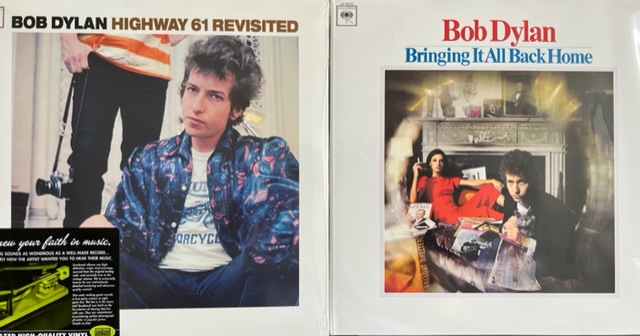
Conversely, I bought a bunch of the Bob Dylan Sundazed albums – and I thought that they sounded good but not great (not as good as the SACDs) in the 00s. I bought one or two from MOV – which I thought sounded pretty good. Then I saw the MOFI version of “Blood on the Tracks” in a record shop (33rpm) for a reasonable price – and thought it sounded ok – but not stellar. Subsequently I bought most of the Dylan classics on MOFI (2 x 45rpm) and they were good but not amazing sounding. If you look at Discogs – The Freewheelin’ Bob Dylan (I have #217 of I don’t know how many) – the median selling price is $170. It was sold, Mint, a couple of months ago (#1940) for €300. Nobody is paying that kind of money for an SACD pressed onto vinyl (this was a 2018 release). You can buy the MOFI SACD for €25 today. I haven’t heard it, but I cannot imagine that it is any better than the 2003 Columbia SACD or the Mono CD box set version or myriad other CD reissues – all of which sound pretty good.

For what it is worth, I have several versions of Miles Davis’ Bitches Brew – CD, superdeluxe CD, CD box set, HiRes Audio etc. I bought a MOV version of this album in 2010 – and frankly it was disappointing. I ordered the MOFI version, on release in 2014 (eventually receiving #7451!) – and it is several levels of audio quality better than the MOV (apparently the original vinyl release sounded horrible). They may both be derived from digital files – but the MOFI version is stunningly good and I don’t care about the provenance. I have a number of the MOFI Miles Davis records – unimpressed by Kind of Blue – but Milestones and In a Silent Way sound fabulous (and I have several digital and vinyl versions of both).

I have heard stories of customers bringing cartloads of MOFI albums back to record shops (see video below) – but I must confess that, having gone through my collection, I wouldn’t give any of them back. I particularly like The Cars, Santana III (both silver label), Tapestry and the Weezer reissues. None of these set me back big money (and none was in the same price range as some of the current Acoustic Sounds jazz reissues).

I think, when the dust settles, many people will be like me – yeah I rather like most of my MOFI albums – few of them sounded astonishingly good, but they were thoughtfully packaged and presented and, in the majority of cases, sound as good as the original pressings and CDs. Probably more than a few of the “Original Master Recordings” in the 33rpm and 2 x 45rpm catalogue are actually AAA (from second generation tape – we don’t know because they have not told us). However, there is no doubt that they have a problem with the highly expensive One Steps. The company seems to have a whole bunch of these ready to go (I see 25 “coming soon” on their website) – in particular the 40,000 copies of “Thriller.” I am not sure that, given the reputational damage that their deceit – and they did deceive us (I don’t care what bullshit semantics detractors of audiophiles claim – record collectors believed that the One Steps were AAA and no effort was made to dispel that myth) – that MOFI can continue to justify the price tag of these products (given that they saw a 25% price inflation despite greater numbers pressed after the first few titles). The $30 for the SACDs seems quite reasonable, nonetheless.

My final thought on MOFI – despite the almost puff piece interview with Mike Esposito and the Engineers (remember they evaded most of the questions) – the company – have not made an official comment, not apologized – not really done anything. I also note that the industry supported blogs such as AnalogPlanet, Stereophile, The Absolute Sound and other magazines – have so far published NOTHING on this subject – which concerns me about editorial control (would Fremer have published the scathing comments from his youtube channel if he was still working for Stereophile?). This has been a big eye opener for me, and does demonstrate the democratizing power of the internet.

One other aside: Analogue Productions are repressing the Complete Bill Evans Riversides (2 x 45rpm) – 11 albums 22 vinyl LPs. Last time this collection was reissued (it has been reissued twice before) it cost $599 – or about $25 per record – so each album cost $50 – not really expensive at the time for 2 x 45rpm (usually these retailed at about $80). I procastinated about such a big investment – and am not crazy about these 2 x 45rpm reissues (they ruin the flow of the record). Unfortunately, by the time I decided to take the plunge – they were all gone. The median selling price of this box on Discogs is $1000. Acoustic Sounds are now taking pre-orders for a new set for – guess what – $1000 (a 66% increase in price). “Limited to 3000” – even though the metalwork could press up an unlimited number. It is still probably a good investment – if you have a spare grand lying around (I don’t) – it is one of the great box sets. For the same price, at the Acoustic Sounds store, you can buy a MOFI one step copy of “Sunday at the Village Vanguard”(I wonder if the asking price for these rare pressings will fall?). So – is this where we are going – price inflation on AAA. It seems to me that the price of all records has gone up 30% (and with some new releases priced at over €40 – a lot more) since 2017 with no obvious improvement in quality (and no free CD and still only MP3 download codes). Will the bubble will burst?

Concord need to do a Bill Evans Riverside reissue series – get Kevin Gray, Bernie Grundman or Chris Bellman to cut the records at 33rpm and be done with it.

I am currently listening to a guaranteed AAA 1970 Japanese repress of Waltz for Debby – and, I really don’t think it could be improved on (aside from the dodgy cover) – and, you know what, I think that the CD (and the SACD) sound just as good, without the snap crackle and pop.

Is the Audiophile Vinyl House of Cards Disintegrating?

•July 25, 2022 • Leave a Comment

I watched the In Groove guy interview of the engineers at MOFI a couple of times (in between the ridiculous amount of youtube ads) and a number of things struck me.

I forget that the vinyl renaissance thing has been going on for a dozen years – and that the perception of the value of both vinyl and the master tapes has evolved for the major labels and the heirloom (master tape) owners. Master tapes are extremely fragile, often needing to be baked to even be playable and even then are badly affected by wow and flutter, flaking, cuts et. A variety of digital processes have been developed to overcome these limitations – in particular the Plangent process. This approach that gets rid of hiss, ultrasonic noise, wow, flutter and various other remnants (clicks and pops on the tape from damage) and restores the master – in digital format – to something approaching it’s original form. Vinyl me please released an Errol Garner album a couple of years ago and promoted it as having been restored using Plangent Process (PP). The most recent Bruce Springsteen remasters (2014) have been remastered digitally using PP – and there is no doubt that these are the best sounding versions of the albums that have been released. The Doors, Grateful Dead, David Crosby etc. – lots of recent remasters have used PP. The point I make is that we are living in the period of “peak digital” – digital recordings, digital remasters, digital bandwidth (whether PCM or DSF) are better than ever before and, now that the loudness war is over, this has translated to better sounding CDs and HiRes products (although- in my view the recording quality has fallen off a cliff since artists abandoned high end studios). So, I can see the point that the MOFI engineers made about their DSD transfers of the original master tapes (OMT).

I have great fondness of SACD and DSD (now that we can rip our SACDs) but there are caveats: DSD is great for tape archiving and playback not for editing. Digital audiophiles routinely bemoan the following: a) recorded and edited in PCM and then converted to DSD – completely pointless; b) recorded or archived in DSD, converted to PCM for editing, and then converted back to DSD – an abomination. The labelling on SACDs is as bad if not worse than that on vinyl – we really don’t know what is on the disc and what the chain of custody has been. I realized while watching the video of the MOFI guys that their SACDs were exactly what we want: original master tapes with no compression or other fiddling copied onto DSD256 and then downgraded to DSD64 on the SACD. It is as close to a copy of the master tape that we are going to get in digital – and I think that will make the MOFI SACDs more valuable (to be honest I would prefer a DSD256 download). Unwilling to cough up €175 for the “Mingus Ah Um” one step, I stumped €40 for the SACD – and thought it sounded amazing. Turns out that they were the same product. So these SACDs, on the surface, look like winners. But……the engineers intimate that they do their own Plangent like adjustments to the digital file – to ensure that the levels are the same, to correct tape errors etc. and I wished that the interviewer had asked them what software they used and – horror of horrors – did they transcode to PCM to do this?

Getting back to those very valuable master tapes. It appears that t the major labels won’t let high caliber engineers even look at their master tapes – and when they have a license the technicians have to go to the tape vault area and make the transfers to tape or digital there and then. This makes me ask serious questions of the provenance of a lot of the AAA reissues: for example exactly what are Speakers Corner using for their reissues? We know that they are all analogue – but what generation? Are these German copies of the master tapes that have been copied or do they get the lacquers cut locally from the OMT in the USA. Sometimes a mastering engineer receives an attribution: for example the Dooby Brothers “The Captain and Me” was mastered by Kevin Gray. Miles Davis’ “Miles Smiles” was cut in Berlin by Maarten de Boer. What tapes did they use? The same goes for Vinyl Me Please, Pure Pleasure, Org, Impex and all of the other craft “audiophile” reissue companies. Certainly the current crop of Blue Note reissues are all analogue (we have seen the video). There are also videos of Bernie Grundman remastering the Contemporary records series for Analogue Productions. So we know that at least some of the stuff that is labelled AAA is kosher.

One company that bothers me, though, is the Electric Recording Company. As you are probably aware this is a super luxury craft vinyl reissue label – where only 300 copies of each album is pressed (i.e. a single set of stampers) and the price is £300/£350. All of their releases, that look spectacular, sell out immediately. They make a big deal about how much effort goes into the production of the records. They also state: “To achieve their scrupulous sonic ends, Electric’s engineers have worked directly from the precious original studio master tapes, maintaining a purist, simpatico approach at every stage”  and “officially Sanctioned Heritage pressings mastered from the original analogue master tapes.” Curiously, one of their recent releases was “Portrait in Jazz” by Bill Evans: they have done a stereo and mono version. MOFI did a one step of the same album (I bought a copy and cannot honestly say with confidence that it sounds a whole lot better than the OJC version). We know that the one steps have been sourced from digital files – and we know that the Concord music group recordings are very careful to let their crown jewels out of their vaults (and the Bill Evans Riversides are very valuable masters). So, do we really believe that Concord allowed the original masters of “Portrait” to travel from their storage facility in California (I presume) to the UK to allow an artisan group make a single acetate from their tape? Maybe they do, maybe the ERC guys travel to California – but can I see the photographs and the videos as proof? If not what was the real source of this record? As I mentioned before, I bought a copy of “Way Out West” after getting a rush of blood following a refund on expensive concert tickets during lockdown. It sounds really good – but not magnitudes better than my 2009 OJC repress (which may be digital or analogue – difficult to know – but $350 cheaper). Is the ERC version derived from the OMT or a tape copy or other source?

Another issue that struck me in the MOFI engineers’ interview was a discussion about one of the Marvin Gay Reissues for which the engineers at MOFI felt that they could not produce a lacquer “Live” due to the complexities of the settings for each track. Hence the DSD version. As you recall, there was a bit of a furor about “Let’s Get it On’s 50th Anniversary Reissue” a couple of months ago: the European version was cut from digital, the US version was cut “direct to analog mastering by Kevin Gray” – what does this even mean* (there was also a MOFI one step which was cut from DSD)? There is no mention of the Original Master Tapes (OMTs) here. Is Kevin in such a privileged position that record companies (other than Blue Note) are willing to ship the original master tapes to his studio – or is he working off tape or digital copies of tapes? These guys are sworn to secrecy to not disclose their sources (like a doctor patient or lawyer client relationship). I suspect the former in this situation. But – who knows? The whole thing is now hocus pocus and there are audiophiles everywhere wondering if they have been sold “audiophile” CDs on vinyl in nice jackets for the past decade or so.

My advice is that if you want all analogue buy original pressings, or represses or Japanese reissues pre 1982. Pretty much everything since then was recorded digitally – so it makes very little difference. Modern audiophile reissues do not necessarily outperform originals or even represses.

*Under my desk, currently, there is a box of cassettes – many from the 1970s and 1980s. If I sent one of them to an engineer to cut a lacquer – that would be “direct to analog” mastering from an analog source.

I may have said this before – but I believe that the real audiophile boom for remasters was 30 years ago (1988-1994) when first generation masters were transferred to CD pre loudness war using modern equipment but no gimmicks. The high resolution follow up, and to a lesser degree the audiophile vinyl renaissance, has been a disappointment. Given a choice I would buy Pure Audio Blu Ray discs with a surround layer as new releases – yes in preference to vinyl. Unfortunately, that format is practically dead.

Alternatively the closest you will may get to the OMT is the volume balanced files that streaming services use (Apple famously demanded that record companies supplied files without dynamic range compression so that users wouldn’t have to keep adjusting the volume on their playlists).

Andrew Hickey Is Ruining My Life

•July 24, 2022 • Leave a Comment

For more decades than I can remember I have been reading about the history of modern music, be it jazz, blues, R&B, pop, rock, heavy metal, alt-rock -I have boxes and boxes of books. I have been religiously reading Q, Uncut,Mojo, the Word, NME, Rolling Stone, Paste, Under the Radar, Jazzwize, Downbeat,
Jazz Times, Prog and other magazines since the 1980s. I thought I knew a lot. I was wrong. By chance I bumped into a colleague who mentioned the 500songs.com podcast. This podcast is hosted by an Englishman, Andrew Hickey, and has been running since 2018. Andrew has ow reached song 150 (“All you need is love”) and the episodes just keep getting better. It is now his fulltime job. Frankly the BPI should
be paying his a salary – as should the Library of Congress.

The podcast is slightly misleadingly titled (“A History of Rock Music”) – it is really the story of all modern popular music since World War 2. Hickey covers political, cultural and business history of music (alongside a fair smattering of anthropology) that frames songs that we all know, and some we don’t, in the times that they were recorded and the influences from which they were derived. The detail is astonishing. No punches are pulled regarding sharp business practices, racism and homophobia. You will hear about Jimmy Rogers, Bill Monroe, Hank Williams, Rosetta Tharp, Ravi Shanker and others – alongside the crooks and bozo managers who ripped off the artists, the white imitators of the original black singers, the magnificent musicians that are hideous people.

I have learned more from listening to these podcasts than I have from decades of reading music magazines and books and watching documentaries. For example, Andrew is the first person who has adequately explained modal jazz to me, without being patronizing. The podcast is like doing a college course – in fact it is better than any of the Great Courses lecture series that I have followed. And there is a good reason. Each episode, they started at 30 minutes but now run to 90 or even 120 minutes, is chock full of snippets of songs. This means that Andrew will, for example, play a snippet of Little Richard singing “Tutti Frutti” and then play the copycat Pat Boone version. He explains the underlying music theory (simply). He is able to make connections between different strands of music and tie them all together cleverly. If you don’t know the difference between R&B, rock ‘n’ roll, hillbilly, rockabilly, bluegrass, mountain music, country, western swing or medley other genres – this is the place for you.

Fortunately, for me, I have started 3 or 4 years back – so following this podcast is like binging on a box set. Although the podcast is free on iTunes (and other platforms), for a modest fee you can be a subscriber and gain access to bonus podcasts. Unfortunately, for me, so obsessed have I become with Andrew’s podcast that my Audible audiobook credits are piling up (better buy something before they expire) – as I have no interest in listening to anything else. Beyond recommended.


(Not) from the Original Master Tapes

•July 23, 2022 • Leave a Comment

While I was away on vacation devastating news arose that will long have a massive impact on my life and psyche: no I wasn’t the dethroning of Boris Johnson, Ireland winning a test series in New Zealand, Wildfires across Europe, revelations in the Jan 6th Inquiry, the strange tripartite relationship between Russia, Iran and Turkey, Jen and Ben getting married – no it was the revelation that Mobile Fidelity have been using digital sources for their major releases for several years. HOW AM I SURPRISED?

Recall a couple of months ago I discussed the forthcoming one step release of “Thriller” where MOFI is planning on releasing 40,000 one-steps – requiring the manufacture of up to 200 acetates. Clearly there is no conceivable way that Sony were going to allow their most valuable master tapes get slung across an old Ampex machine 200 times. Something didn’t smell right. Surprise – they are using a DSD copy of the master tape as the source: now cutting lacquers is easy peasy. This is now confirmed – MOFI – have been not so subtly deceiving us for years.  Their one-step greed is revealing the Emperor’s new clothes.

I have about 40 MOFI albums – Miles Davis, Bob Dylan, Elvis Costello, Allman Brothers, Santana, Cars, Tears for Fears, Derek & the Dominos, Carole King, Little Feat, Pixies, Weezer etc. These were sold to me, and others, as super audiophile numbered limited edition high quality (often half speed mastered) vinyl records from the original master tapes (OMT). The assumption that I made, and I presume virtually everybody else did also, was that the entire production process was all analogue (AAA). These were all premium priced products; otherwise why are these in any way different from Waxtime versions of the same releases (cut from a CD derived from the Original Master Tape)?

Just to say this – and with all honesty – I never thought that these MOFI releases sounded all that great – particularly in comparison with Analogue Productions releases of similar material (SRV, Bill Evans etc.). The One Step of “The Nightfly”  – which everybody in the world knows was from a digital source (and admitted to by MOFI – although there was a whole digitally recorded transferred to tape nonsense discussion at the time) – sounds amazing – but everything else has been a bit…meh. The MOFI version of Layla was the subject of a group test on this blog a while ago – and it came out on top – but that was due to packaging rather than sound quality – and I still prefer that surround layer on the original SACD. Nevertheless, I presumed that MOFI records, due to their limited editions and mastering chains would be considered collectable and valuable in the future. Now I’m not so sure.

Why did it believe that MOFI releases were AAA? I have gone back to the MOFI website and their inserts: “First and foremost, we only utilize first generation original master recordings as source material for our releases.” Above this they boast that the “The GAIN 2 Ultra Analog™ system is comprised of a Studer™ tape machine with customized reproduction electronics and handcrafted cutting amps that drive an Ortofon cutting head on a restored Neumann VMS-70 lathe.” Anybody reading this would assume that the Struder tape machine was used to play the First Generation Master Recording to deliver signal to the lathe. This is not the case. What appears to be happening is that the engineers digitalised the original master tapes (did they even have access to these tapes?) at DSD256 and used these digital files as the source of the One Steps in particular. Hmmm.

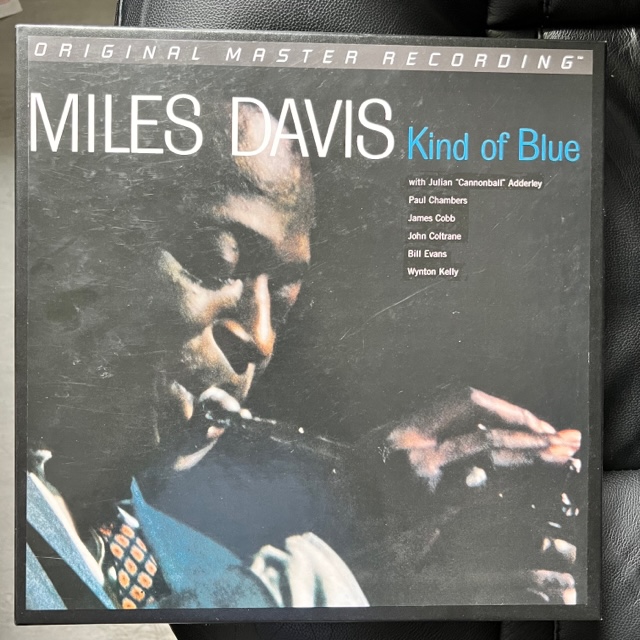
Not long ago, with a friend, I did a multi disc comparison between the Acoustic Sounds (Classic Records) version of Kind of Blue and various other copies – including the MOFI (which I bought off my colleague). I’m looking at it now (see picture). The cover of the box states “Original Master Recording” – which it absolutely is not (it is derived from the Mark Wilder remix). On the back cover the mastering notes mention the “Gain 2 Ultra Analog System.” You would assume that this means AAA (but it doesn’t actually say that). This version almost certainly was derived from a DSD transfer of a fold-down from a non original master. Indeed, it is likely no better (and certainly doesn’t sound better) than the £5 DeAgostini magazine copy from the same master. An the numbering is hocus pocus – as the acetates were cut from a digital file – there is absolutely no limit to the numbers that could be pressed (just limited by Sony License).

For years I have been reading the Better Records blog (The Sceptical Audiophile) – which I find quite entertaining – remembering that they are in the business of selling “Super White Hot Stampers” of original pressings. Much of the blog involves Tom Port ranting about why MOFI records are lousy and he really does not like their Half Speed Mastering Process.* It has bothered me for some time that Miles Showell has been cutting a variety of records at Half Speed at Abbey Road Studios and has been up front about using digital sources. There are numerous interviews with him on the internet and magazines where he describes in detail the processes – and he explains how he is able to get that great half speed treble extension without sacrificing bass. Moreover, he states categorically that he has access to the original master tapes (an is well capable of cutting all analogue) but chooses to use a digital file (that he may or may not remaster) to use in the half speed cutting chain. He digitalises the tape running at half speed and uses a variety of corrective approaches to ensure that, when sped up, fidelity is maintained. The records all sound pretty good – but I still find them a bit bass light. If Showell has to use digital files – how are MOFI able to do the same thing on the fly with all analogue. Now we know – they don’t.

So, MOFI use DSD as their mastering source. Big deal? Rolling Stones 2010s vinyl reissues came from DSD and they sound great (and were priced at <$20). I have loads of records that were recorded digitally and pressed onto vinyl that absolutely destroy most of my all analogue records. Practically everything released by Blue Note in the last few years (the Charles Lloyd and Bill Frisell material in particular) has been high res digital (24/96) onto vinyl. The digitally recorded Venus Hyper Magnus Sound records sound extraordinary. But, so do the SACDs. And speaking of SACDS – if MOFI are using DSD256 as their source material – why the hell are they still releasing DSD64 discs? That is like releasing a 24/96 file as an MP3 and charging a premium price.

MOFI also release “Silver Label” records. They are generally less expensive that the Original Master Recordings. The spiel on Discogs is: The Silver Label titles are pressed on standard weight vinyl (about 140g-150g). The majority of Silver Label titles are sourced from the original tapes, there are some exceptions where the best available source is used. Digital sources are not used except in cases where the title’s original master was digital itself.

I found this on Uebervinyl website: Whereas the Original Master Recordings always uses only the original master tape, for the Silver Label Mofi will also accept good copies of the master tape. This may be necessary if the original tape is lost or damaged. More and more often the labels will be either offered digital files or copies of the original tape. For example, when the original tapes are not allowed to leave the record companies’ vaults for security reasons. In such cases MFSL checks whether the quality of the source material offered meets the in-house quality standards. If this is the case, Mofi will publish on the Silver Label. This need not always result in a worse sound than the original tapes. Especially older master tapes, which have been used for many reissues and have been played accordingly often, do not sound as good as they should. Often the coating on old tapes partially peels off. If the sensitive tapes are not stored optimally, further damage can occur. In this case, a well stored copy of first or second generation tape may even sound better than the original.

So – if the Silver label releases don’t use the original master tape. That’s fine – so the OMT version must use it right? And if you make such a big deal of the tapes, presumably you are cutting all analogue? You would think. I have dozens and dozens of boxes of CDs and hard drives full of high res digital and DSD albums that are derived “from the original master tapes.” Practically everything on CD from major labels – comes from the OMT. My CD copy of “Milestones” from the 1980s is no different from the DSD version that MOFI used to cut the record – both are from the OM tape. This is total crapology from Mobile Fidelity. The CD of “Seeds of Love” by Tears for Fears is from the Original Master Tape (or files or whatever).

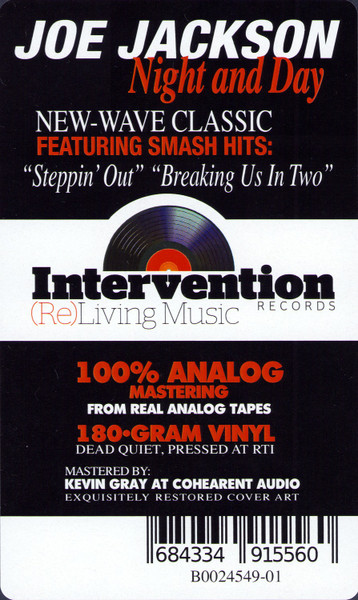
I am not an all analogue zealot – but I do believe that premium priced records should have clear provenance. Those Venus Hypermagnum records are bloody expensive – but at least I know what I am buying. This is also the case with Pure Pleasure, Speakers Corner, Analogue Productions, Impex and others. I love this comment from the Intervention Records Website: “Premium vinyl reissues are expensive to produce and they cost our customers real money. Customers have a right to know what they’re buying! Our commitment to transparent sourcing means that we will always reveal the exact source material used for mastering and who the mastering engineer is, who pressed the records and who printed the jackets.” And they do (see picture). – and a couple of their records are derived from digital sources. They sound great.

It is often said wine snobs cannot really tell the difference between plonk and grand cru. The same may be the case for record buyers. I am not certain that I can tell the difference between an album that has been carefully mastered all analogue from one that is derived from a digital source (particularly DSD). However, if I go into a wine shop and I see a bottle of Bordeaux for €20 and beside it a bottle for €50 – with fancy Appellation claims – I am going to assume that the more expensive bottle is considered to be a better and more valuable wine. If I pay $100 for a copy of “Kind of Blue” – I am going to assume that it is better than the $20 version. Now we know that the fancy schmancy MOFI version was digitally sourced and the cheap record store day copy was actually the true audiophile AAA version.

Is this the beginning of the end of the vinyl resurgence? I wonder. Certainly it will make me think twice about putting down a lot of cash for records that I believe will be highly collectable in the future.

*According the Michael Fremer, MOFI stopped half speed mastering some time ago but didn’t tell anyone .

UPDATE

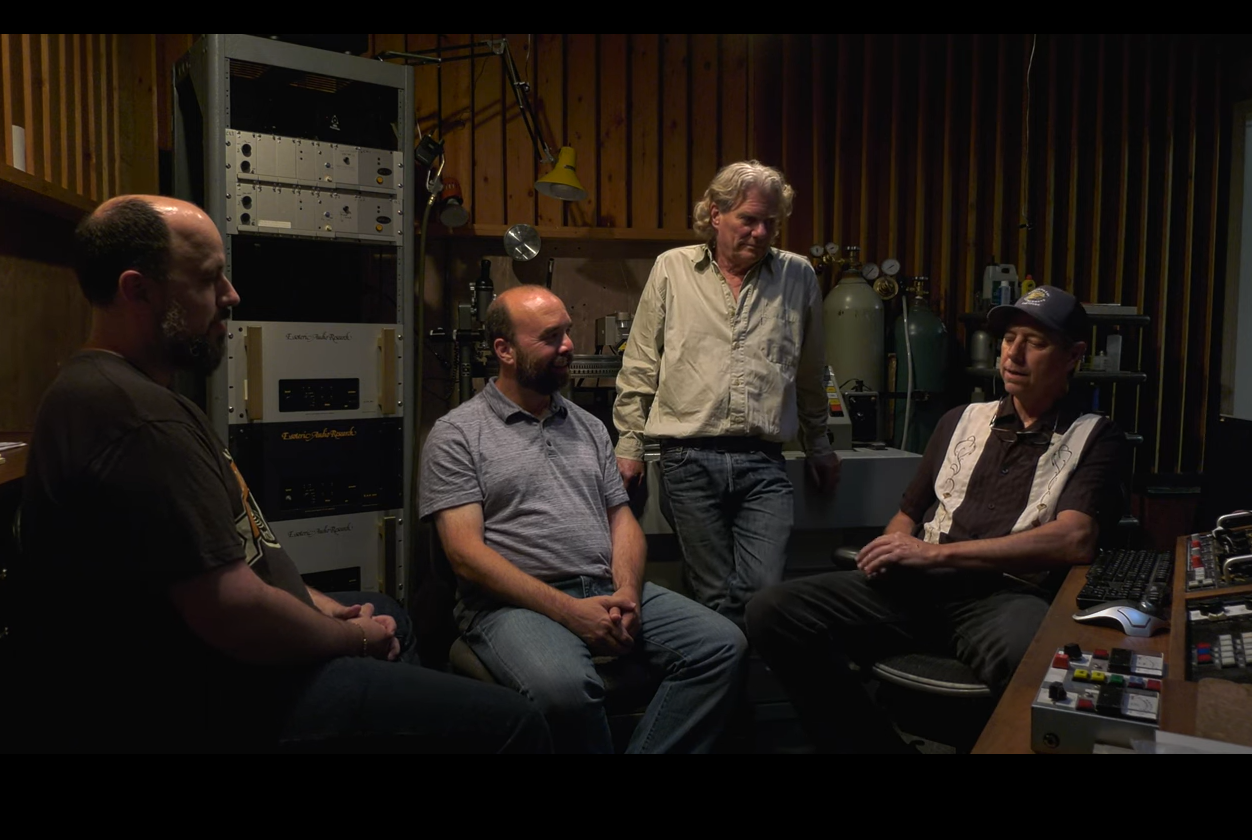
The In Groove guy interviews the engineers at MOFI.

I have previously posted my opinions on digital sources on vinyl – and why we are all suckers buying these records. I have also posted on quality control issues with new release vinyl. I also whined about the price of vinyl and the poor quality presentation.

A Meander through 2022 so far

•July 21, 2022 • 3 Comments

I swore that, having no place left to store them, I would buy no records in 2022. That plan lasted until the 3rd of January. It has been a strange year so far. The world re-opened, there was an attempted coup against his own government by the POTUS, the Russians invaded Ukraine, the price of everything has gone up, wild fires burn across scorching hot Europe (except where I live, overcast as usual), Sri Lankans got rid of their government, the UK has liberated itself from Boris Johnson (likely to be replaced by a less charismatic semi extremist clone), Elon Musk couldn’t make up his mind whether or not to buy Twitter, the Saudis are trying to buy “golf”, luggage is piling up in airports all over the world, the Rolling Stones are on tour; mmm – some things never change. And the records keep getting pressed.

So, as I have not written anything for ages – and Andrew Hickey has been ruining my life due to obsessive listening to his podcast – here is an update on my listening this year (mostly to remind myself in the future).

It has been an ok, but not spectacular year for new releases and, unfortunately I think that I have come to an age that finding new and original music is becoming more challenging. The year has featured the return of Arcade Fire, Belle & Sebastian, Midlake, Band of Horses, Alt-J and Black Keys – all good records but not great. Rolling Blackouts Coastal Fever’s new album is worth a listen and I particularly enjoyed the sophomore effort by Pillow Queens. The other album that received a lot of airtime in my home has been Kevin Morby’s “This is a Photograph.” I also enjoyed the retromania of Father John Misty’s new album, despite the oversized cover that refused to fit into any plastic protective cover that I can find. Worth a consideration are records by Wet Leg, Spoon, Cowboy Junkies, Cate Le Bon, Beach House (most overpriced album of the year on vinyl) and Fontains DC (their new album was released on 2 x 45rpm!). By far my favourite album of the year has been Black Country New Road’s “Ants from Up There” – bizarre considering that the lead singer (who sounds like David Byrne) quit after its recording. I also really enjoyed “Dear Scott” by Michael Head. The reconvened Porcupine Tree’s album is a must for all Steven Wilson fans.

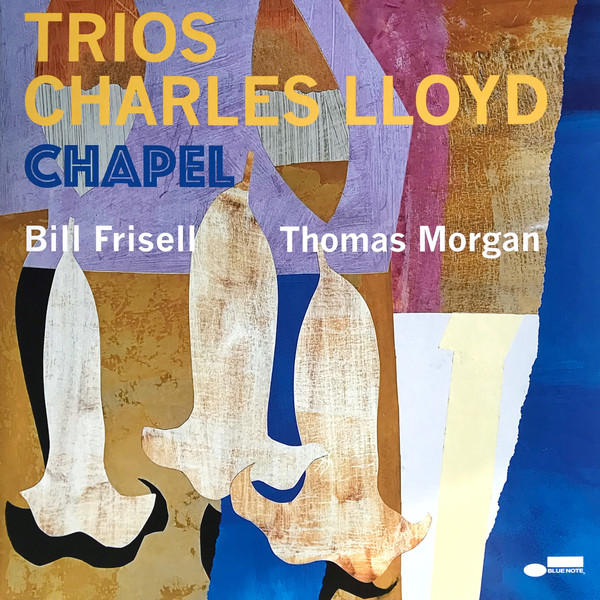
In terms of Jazz – I really enjoyed Wolfgang Haffner’s “Dream Band live in Concert”, Binker And Moses‘ – Feeding The Machine, Cécile McLorin Salvant’s – Ghost Song, & Charles Lloyd’s – Trios: Chapel (two more trio albums to come).

In terms of reissues, I think that this has been a bumper year.

All of the Roxy Music albums have been reissued by Capitol/EMI – pressed at Optinal, 180g virgin vinyl on nice heavy duty cardboard, printed inners – but packed in polylined sleeves. Original UK tracklisting. A curiosity about these albums is that they were cut half speed at Abbey Road by Miles Showell. Miles is a cutting, not a mastering engineer, and I believe that he works principally from digital masters that are provided by the record company. It is interesting to note that a lot of websites refer to these releases as “remasters” – but that is incorrect. Kevin Grey remasters from tape and then cuts lacquers. Miles cuts lacquers at half speed to presumably increase fidelity – from digital masters. Is this “audiophile” – I really don’t know. Presumably the masters (derived from the original ¼ inch tape) are at 24/96 (not availably for download or streaming at that resolution) – and that is audiophile in the digital realm. Certainly “Avalon” on SACD is one of the best sounding digital discs in my collection, but you would have to wonder why the record company could not do a straight AAA reissue/remaster from the original (1970s and 1980s) tapes. I considered pulling the trigger and buying the Roxy box set 5 or 6 years ago (also cut half speed by Miles), but shipping was as expensive as the albums. Apparently this is a new cut (Miles got some new gear) and it sounds better. Seriously. The albums do sound great and have that tremendous resolution and dynamic range that well recorded albums in the digital realm exhibit. Unquestionably better than previous (“from the Capitol vaults”) reissues in my collection; I do like the Simply Vinyl version of “Avalon” nonetheless.  A mild recommendation – but if you are living in a country with a vibrant second hand market – you might be better off seeking out original pressings, considering the prices here.

Everytime I look around there is a new Neil Young reissue. The extremely meh reissue series 13,14,20 and 21 – including the 16/44 digitally sourced Eldorado EP. There were also “official Bootlegs” – 3 of them from the early 1970s. I thought they all sounded like mediocre audience recordings (although it is claimed that Royce Hall is a soundboard – if so it is the worst that I have heard). Inessential. Young has, at long last, released “Toast” – a Crazy Horse album from about 20 years ago. It is an audiophile cut by Chris Bellman – at an audiophile price of >€40 for 3 sides. I haven’t listened enough to it to review, but NY fans will lap it up regardless.

Everybody seems to be doing audiophile jazz reissues these days. The Tone Poets and Blue Note classic viny series have been moving along nicely, mostly excellent – but I think I’m reaching my limit. Analogue Productions have two difference series going on: the Acoustic Sounds Impulse/Verve series – that has been exemplary and the long awaited Contemporary Records reissues series. I am a massive fan of Contemporary Records, so these records have been a big deal for me. First up came the RSD mono version of “Art Pepper Meets the Rhythm Section” – one of the must have records in jazz – a beautiful reproduction of the original that sounded great and was reasonably priced. Subsequently, the real series arrived – starting with “Art Pepper + 11!,” “The Poll Winners” and “Four!” (Hampton Hawes – my copy has not turned up yet).

My online review of “The Poll Winners”: “The Acoustic Sounds/Craft version is the “Stereo” records version – in a historically correct jacket (tip on), with black Stereo Records label and QRP poly lined inner sleeves. Annoyingly, the catalog number is for Craft records (CR 00386) not Contemporary. It is a wonderful album, with Barney Kessel carrying the harmonic and melodic load on guitar in a trio setting. I have a CD version in stereo and a 1959 mono repress. The Craft recording sounds marvelous, but – as with other early stereo recordings – Kessel is panned hard to the left speaker and the rhythm section (mostly) on the right. The soundstage, timbre and musicality is a significant upgrade on the CD version. Unfortunately Ray Brown’s solos – on the right channel – are a little bit muted. In comparison, the 1959 mono version is mastered louder, slightly more reverb, with Kessel in the center, the bass is better defined and the drums more “up front.” The mono version is exciting and engrossing; the stereo version is a little “loungy” – just a tad too laid back. Certainly an audiophile reissue – but I much prefer the original mono version.”

Make of this what you wish – I suspect that “Four!,” which is a truly great album, and I have an original Stereo Records version, will sound great. I would suggest giving “My Fair Lady” by Shelly Manne/Andre Previn a pass – there are a gazillion second hand copies out there at a fraction of the price, but buy “Jazz Giant” by Benny Carter. Hopefully Craft will keep the series going – there are marvelous albums by Harold Land, Curtis Counce, Teddy Edwards etc. that could do with reissues and all of the Art Pepper Contemporaries should see the light of day.

Craft have also been doing the “One Step” super audiophile reissue thing, albeit at a much slower rate than Mofi. Retailing at €100, $110 – Miles Davis’ “Relaxin” sounds and looks great, but doesn’t sound or look any better than the Tone Poet or Acoustic Sounds Impulse albums at 1/3rd of the price. I am really unconvinced by the price-benefit ratio of one step recordings. Perhaps if I had a $20,000 cartridge on a $100,000 turntable and arm I might hear a big difference but, no….

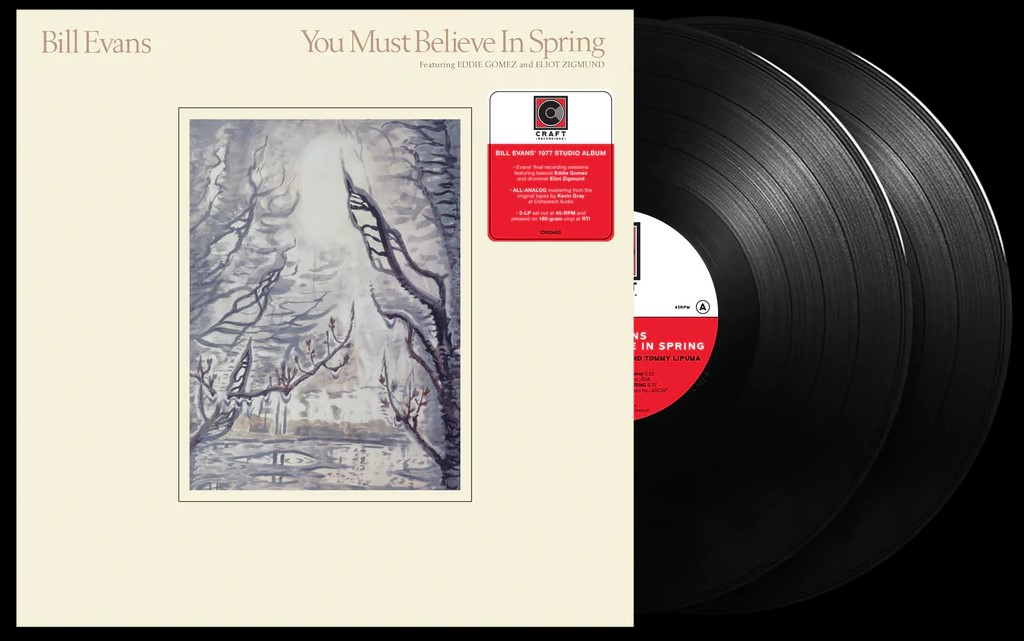
Craft’s biggest jazz reissue this year is surely “You Must Believe in Spring” by Bill Evans (recorded in the late 70s but released posthumously in 1981. It ticks all the audiophile boxes – 2 x 45rpm, Kevin Gray, pressed at RTI, polylined inners etc. My online review: “I have had this album on CD for many years and loved it. I have a German first pressing (Warner Bros) and – despite it costing €50 and looking pristine – the vinyl is full of pops and crackles. The new Craft (Kevin Gray) has superior dynamics, a better soundstage, better timing and transients. Perhaps mastered a little loud.
I like the gatefold sleeve (the original is textured and the colors are different). I hate the cheap creased plastic inner sleeves – tossed them immediately and replaced with mofi style inners. I really really don’t like the Craft label and catalog number – it just cheapens the experience (maybe it is a licensing issue as originally on Warners – not a Concord label). Nevertheless – certainly for those of us in Europe who have to pay exorbitant prices for AP and Mofi 2 x 45rpm – a tremendous quality product at a reasonable (€40) price. Please Concord – do he same for Village Vanguard and Waltz for Debby.” There have been multiple complaints on various forums about static and crackles on this disc, mind.

My favourite thing, this year, has been Rhino’s reissue in mono and stereo of “My Favorite Things” by John Coltrane. I pre-ordered this record with fairly low expectations – most of the Rhino catalogue is medium priced and digitally sourced – great value but not really audiophile. When the albums arrived I took out the mono disc first –it has been a holy grail for many years. The “recently rediscovered” true mono version was sold last year by the Electric Recording Company for £330 and I presumed that this would be a 24/96 digital cut to vinyl. However then I saw KG@CA in the dead wax and was thrilled. Kevin Gray usually means AAA. These are fantastic sounding records – the mono is just wonderful. For the price <€40) this is unbelievable value. The presentation could have been better – a gatefold, polylined inners etc. But who cares – I replaced the inners, scrubbed the records and enjoyed. Strongly recommended. It is a pity the Rhino/Atlantic did not follow the same mastering chain for the Blakey/Monk and Mingus/Hawes reissues (which sound good nonetheless).

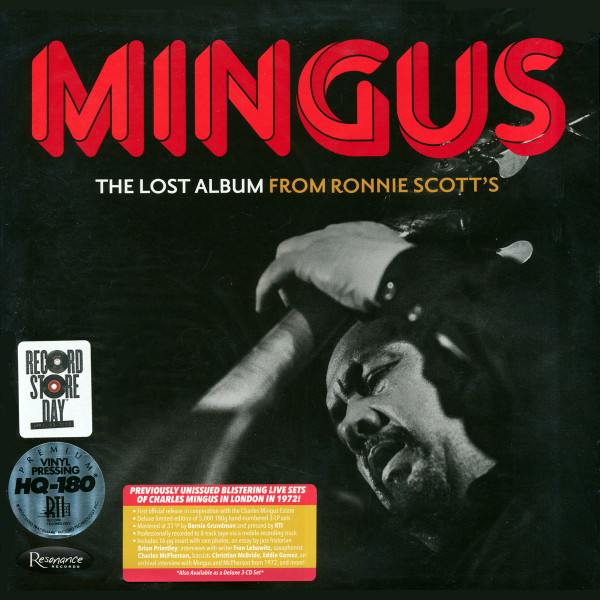
In terms of Record Store Day(s) – aside from the Art Pepper mono album, I bought “Central Reservation” by Beth Orton, “Live in Japan” by Laura Nyro and the phenomenal “Lost Album Live from Ronnie Scotts” by Charles Mingus (1970s) – really a must for Mingus fans. I still find the whole RSD thing weird – the records, singles or albums, are often 75% overpriced, and can sit in the record shop – undiscounted for weeks if not years. For example – there was a deluxe reissue of the Proclaimer’s’ “Sunshine on Leith.” I have an original pressing of this record, released in the late 80s that one can pick up for about £5 to £10 – there are a lot of copies around. For RSD there is a second record with bonus and live tracks. Price (in my local record shops) €53. There is no conceivable way that this record will ever be more valuable that this asking price – the band are not popular enough and the price is just ridiculous. For €35 I would have nibbled – but there it still sits in the bin in the record shop, lonely alongside the other RSD rejects, costing more than the Black Country New Road vinyl boxset listed above. Normally when novel media become available (CD, tapes, DVD, BluRay, UHD blu ray) they are expensive for a few years – and then the price gradually drops. With vinyl records (ok not novel but you get my point) – the number of records available has increased exponentially over the past decade, the numbers pressed increased dramatically and the prices are…..going up! This is neither good nor sustainable. RSD just looks more and more a bit of a rip off (ok maybe it is us subsidizing our local record shops). With the dollar to euro exchange rate increasing on a daily basis, a lot of the “audiophile” jazz reissues are going to cross the €50 threshold in coming months and I fear that few buyers will follow them.

The other reissues that I have enjoyed are the Mingus label Candid reissues (I just bought the Max Roach album) but Mingus presents Mingus is excellent and worth an investment (I have the Speakers Corner version). Impex released a nice version of “Matador” by Kenny Dorham.

The 1981 and 1980 Now That’s What I Call Music yearbook reissues are worth buying  – if you have a CD player in your car and you want to see how badly pop music has deteriorated over the past 40 years. The current hyper commercial factory produced R&B-Rap-Pop hegemony is so abysmal that my young daughter would rather watch the Eurovison song contest over an over rather than listening to the manufactured “hits” on the radio (a sad reflection of the world post Top of the Pops and MTV). I’m not sure where Andrew Hickey will be finishing his 500 songs, but not much will feature from the past decade.

What have I been obsessed with this year so far? All things Gerry Mulligan, Bill Crow’s solo albums and books, Lennie Niehaus, Clark Terry, Kenny Wheeler, Dave Holland, David Crosby (again), Ian Carr & Nucleus, The Felice Brothers, Beach Boys acapella work, Vinyl Me Please box sets (Quincy Jones, Philadelphia International Records) and Pugwash. Live music is back and I’ve been going to lots of gigs at our local arts festival – enjoy them while they last: like the Rolling Stones and dinosaurs – with few good bands being developed (and avatars of ABBA signaling a sad future) – soon it will all be extinct.

I never bought “Thriller”

•May 19, 2022 • Leave a Comment

but, I’m told that 100 million others did (or perhaps 25 million bought several different versions of it). The record, by Michael Jackson, before he turned into….I don’t know what…completely changed the record industry, changed the sound of music, massively boosted MTV, made popular music color blind (for a while), created the concept of pop megastars and introduced us all to moon walking. I never bought it. The music was ubiquitous for about 2 years. Every song was a single. They were all good. Hearing the songs transmits you to another time, another era when we were deep in the cold war, Russia was a menacing belligerent presence, there was rampant inflation, Liverpool were the champions of Europe, the Rolling Stones were touring and “All Creatures Great and Small” was on TV. Hmm maybe things have come full circle.

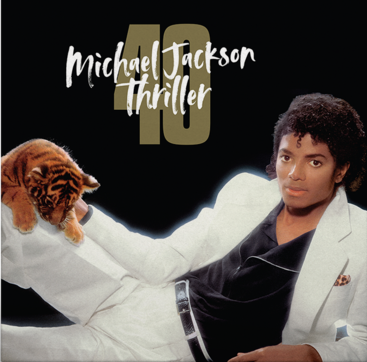
Anyway, if you are a fan of “Thriller” and you can choke down your distaste for Jackson’s lifestyle, his demise and the allegations against him – then you are in for a bumper time over the next few months as a whole slew of “40th Anniversary Thriller” material is released: intially CDs and DVDs but surely – if the market will bear it – some spectacularly expensive Super Deluxe Box Set. As I mentioned previously, you can spend €58 on a standard (i.e. digitally sourced) copy of the record in an alternate cover. Unfortunately this doesn’t involve the tiger cub savaging Michael – although the cub seems to be having a nibble at his leg – and Jackson is looking anxious.

Of more interest is the MOFI One Step version of the album – cut at 33rpm (thank goodness) on supervinyl, AAA from the Original Master Tapes. Price: $100 or €110. While this may look inexpensive compared with the standard One-Step products – be aware that this is 1 x 33rpm not 2 x 45rpm and they are pressing up 40,000 copies. Using my calculator from earlier this week (see bottom of page for a repeat): $20 base price, Audiophile AAA +5, Premium Pressing +5, Supervinyl +5, OneStep + 5, Polys + 2, Gatefold +3, Big unnecessary box +30, Limited edition +10 Value $85. So it is too expensive. But it is a super-audiophile version of one of the greatest albums of all time, that was extra-ordinarily well recorded for the era (i.e. drums that actually sound like drums).

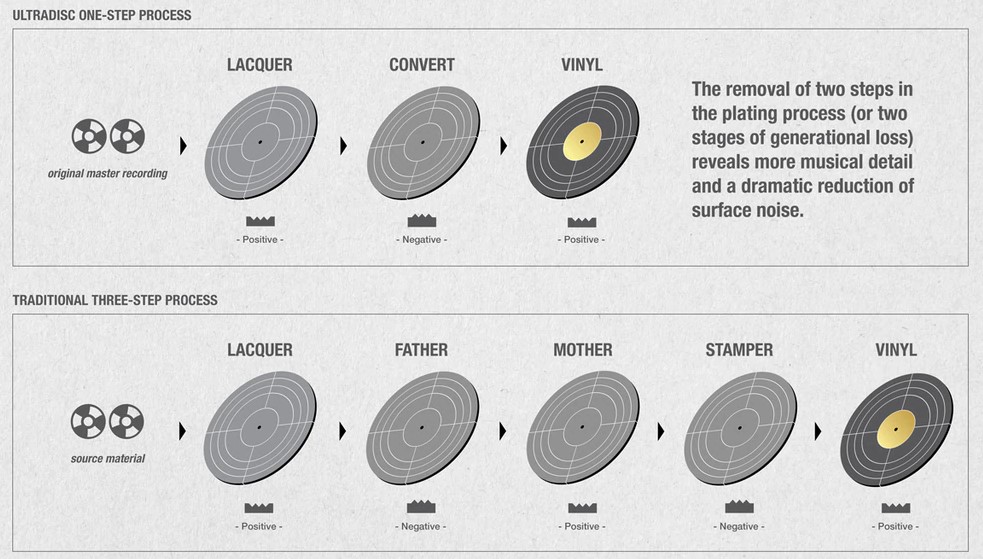
I have been bothered all week about how they are actually making these vinyl records. The conventional approach to making records is to cut a lacquer from the master tape or digital file (GZ specialize in direct metal mastering – so that skips a step or two). The lacquer can be played (known as an acetate) on any record player. To be able to press records one needs a stamper that is a negative of the lacquer. As, most of the time, you want to make large numbers of records, a mirror of the stamper is made (the father), from that a metal replica of the stamper (the mother – or direct metal master) and from that a mirror image stamper is made. The stamper is used to press records and it eventually wears out. If you have the father or the mother you can make unlimited stampers (this is often termed the “original metalwork”). The issue, of course is that if the lacquer is effectively a photocopy of the tape, the stamper is a photocopy of the photocopy (2 generations removed).

The “One Step” process involves making a series of lacquers (not just one paired set) that are essentially turned into the the stamper: they call this a “convert.” There is no father and no mother. It seems to me that each lacquer can only be used once to produce the convert. The convert-stamper can only be used once to produce – who knows 500 to 1000 records? Consequently you are pressing up the photocopy directly, and it should sound better. I have a few of these products (2 x 45rpm) and they do sound really good, despite the big box and need to flip every 7.5 minutes.

This is the MOFI One Step insert that comes with the records

What is bothering me about this release is the sheer number of lacquers that will be needed and their quality. Conventionally a mastering engineer like Kevin Gray or Bernie Grundman will cut a pair of lacquers for an audiophile release with extreme care and precision. That pair of lacquers (one for each side) can be scaled up exponentially. The records may be pressed up 1 million times until the father-mother combo wears out. However, in the One Step process, for every 1000 albums (at the most) there must be 2 lacquers cut (one for each side). To cut for 40,000 copies – taking into account spoilage and test pressings – you are looking at a mastering engineer cutting at least 100 and up to 180 lacquers. That is a lot. But there is more. To use the “original master tapes” to produce this album, each lacquer must be cut from the tapes themselves – NOT copies of the tapes. Think about that: does anybody believe that Sony are going to give Mobile Fidelity (a separate record company albeit with a stellar reputation) the most valuable master tapes in the history of music to run through their tape machine dozens of times? No way. These numbers cannot be done with original tapes using lacquers or direct metal mastering. They could easily be done digitally, obviously, or with copies of the master tapes – in which case no one-step. Mobile Fidelity really need to explain this – and most of my assumptions above may be wrong if the lacquers can be reused – but I am of the impression that like any fragile mold, they can be used but once. It is quite possible that Sony have constructed as series of new “master” tapes from the multi-tracks, but these are not the “original” masters.

You might ask – did Analogue Productions not do something similar with “Kind of Blue“? No – while AP did use Superflat-Supervinyl using some kind of artisan pressing machine – the metal parts were recycled from the Classic records version (the original masters are no longer usable). Indeed, these metal parts were from the “Original Master Tapes” – unlike the MOFI version, that came from the 1997 master. The Nightfly by Donal Fagen was release by Mofi as One-Step (original master recording) despite being a digital recording, transferred onto tape for vinyl mastering. Again, this was never adequately explained – did they make a master from the digital sources or did they use whatever tape was used in 1982 to call it “the master tape?”

I still haven’t bought “Thriller.”

“Off The Wall” – now that’s another story.

APPENDIX – VINYL PRICE CALCULATOR

Base price of album – regardless of source: $20Mastering

  • Unidentified + $0
  • Identified (non-premium engineer’s initials in the runout groove) $1
  • AUDIOPHILE Upgrade: + $5 if any of the following:
    • AAA (indicates premium engineer – only the best can cut AAA these days)
    • Mastered by Kevin Gray or equivalent known premium engineer (if not AAA and original analogue master tapes are unavailable)
    • ½ Speed Mastering (including the engineer)
    • Mastered from Original Multitrack Masters (including the engineer e.g. Steven Wilson)

Pressing

  • Standard: United, Record Industry, MPO, GZ or other: + $0
  • Upgrade
    • Middling: Optimal, Third Man etc: + $3
    • Premium: Pallas, QRP or RTI: + $5

Dressing

  • Standard: Single record sleeve, Paper inner, No Insert: $0
  • Upgrade
    • Polylined inner sleeve (or printed inner): + $2 ($3 for both)
    • Stoughton tip-on gatefold jacket (or equivalent): + $5
    • Single tip-on jacket: + $3
    • Gatefold: + $3
    • Booklet or Insert with original essay(s) + $3

Premium Features

  • No Premium Features + $0
  • Upgrades
    • 2nd Record (base price): + $20
    • 45rpm (per record): + $5
    • Deluxe Pressing (One Step etc) + $5 per record
    • Supervinyl or SRX or equivalent: + $5 per record
    • Big Unnecessary box containing foam: + $30
    • Limited edition/numbered etc: + $10 (but this increases exponentially the “rarer” the record is.

Add 25% more (including shipping) if you are importing from Japan, the USA or Canada (or anywhere for that matter) into Europe.

What’s Going On at Universal Music?

•May 19, 2022 • Leave a Comment

The massive consolidation of the music industry has left us with just three majors; but the Universal Music Group towers above them all. They hold the masters (those that they didn’t allow to burn into non existence) and the copyrights to a significant proportion of Western recorded music’s legacy. The group continues to make a lot of money from recycling classic recordings. Hence we had about 30 years of box sets, 10 years of “Deluxe Edition” CD reissues (that included a second disc of material that fans already had on bootlegs), 15 minutes of Blu-Ray audio, vinyl box sets and “superdeluxe editions” that combine CDs, Blu-Rays (5.1 surround), Vinyl records and various other paraphernalia into a box that costs twice as much as the contents combined value (see my last post): the “super-deluxe” box with unnecessary foam adds at least $30 to the price, but if it contains multiple “compartments” – increase this to $50.

As the “vinyl resurgence” or resurrection is now into it’s teen years, Universal and other music companies have correctly realized that they have pretty much resold a copy of every catalog album that might be bought by the naive customers (myself included) that believe the hype that CDs pressed on vinyl sound better than their CDs and scratched up original vinyl that has been languishing in the attic for years. What do you do now? Try to sell them another copy of “Thriller” with an “alternative cover” – with the “standard LP,” derived from the same middling quality digital source, for €58 (not including shipping) – seriously? How about a deluxe edition with an extra album of “outtakes” – that everybody listens to approximately once (if ever). What about the “audiophile” angle? Keep in mind that a Universal subsidiary, Blue Note, is currently having an extraordinary run of success selling 60 year old records (nearly all out of copyright and easily bought in multi-pack CDs for about $2 an album) to suckers people like me. These albums, carefully digitally remastered in the 1980s and 1990s are universally available, for essentially free, from streaming services. If you subscribe to Qobuz, you can stream these albums in HiRes (24-192) at no extra cost. But a certain type of person, in a certain age group, in a certain income bracket, just likes to enjoy physical product. The look, the feel, the smell. And some of us actually play our records! So, it appears that Universal has finally, following the example of MOFI, Analogue Productions, Sundazed, Pure Pleasure, Impex, Org, Speakers Corner etc., discovering premium priced audiophila.

This all brings me to Marvin Gaye. Several weeks ago I received an email from “Sound of Vinyl” (Universal Music’s Vinyl Store) promoting the 50th Anniversary of “What’s Going On” by Marvin Gaye. This deluxe edition contains a remaster of the original album “from the original master tapes” plus an album of outtakes and demos (almost always these outtakes are digitally sourced). I already have a Back to Black digital sourced version of this record that I bought in 2009 (€14.99) and never opened (the CD was good enough for me). I was, however, intrigued to learn that the album was being mastered AAA by Kevin Gray and pressed at Dublin Vinyl (boutique). Is the price reasonable (€53, £50 UK, $40 before tax USA)? By my reckoning – previous post – AAA double vinyl, Kevin Gray, glossy gatefold, inserts plus essays – value €53).

I ordered it. Then I discovered that this was a bit of “bait and switch.” The US version was indeed mastered by KG and pressed in Europe at GZ (the hype label states a Canadian pressing plant – but there is a “made in the Czech republic” sticker on the back): AAA + Kevin Gray = audiophile release. However, it turns out that the European version was mastered from DIGITAL by Lawrie Dunster (UK). So – fraudulent marketing. Moreover, the AAA STAMPERS are IN EUROPE. GZ could easily have run off a couple of thousand copies for the European market or just sent the mother stamper to Dublin (DHL can do it in an afternoon). Audiophiles are apoplectic – and with good reason. Universal made a big play of the provenance of the album – AAA by Kevin Gray (it could have been any mastering engineer of course – but KG is superman at the moment because of the BN Tone Poet releases). That buyers have to look at the run out grooves – anxiously – to see which version they bought is unacceptable. They might as well buy the Back in Black version (pressed at Record Industry) for half the price (or listen to the source CD or just stream the deluxe edition). In addition the product is priced for audiophiles – not for the standard (digitally sourced) market. Fortunately I cancelled my original order and obtained the US version: the price, from Amazon.com, including shipping, duties and taxes wasn’t much more than I would have paid in Europe. The album, incidentally sounds good but not spectacular (and no I haven’t listened to the outtakes yet).

This second class European version of “Audiophile” reissues is nothing new. Several years ago Sony released a series of RSD mono reissues of Miles Davis Classics (this followed and excellent 9 CD box set). The records were promoted by Sony Legacy as “Limited Edition Audiophile Numbered etc.” The lacquers were cut by – you guessed it – Kevin Gray and pressed at RTI – limited edition and NUMBERED: audiophile by every definition. The albums received enthusiastic reviews. I went to my local record store and bought a few of them. Low numbers – yippie! Subsequently I noticed the “Music on Vinyl” imprint on my records. Alarm bells! MOV is produced at Record Industries in Haarlem – with internal mastering from DIGITAL (usually high res) – and pressed on flat silent slabs of vinyl packaged in poly lined inners– the quality is good. The provenance is marginal. Sony, despite having an AAA mother stamper of each of these albums, chose to go cheap and sell the Europeans a second rate digitally sourced but ludicrously numbered version. The hype sticker on the outside stated “180g Audiophile Vinyl” which, in reality, was no different from Waxtime “limited editions” cut from CD. Atrocious.* Later, I bought a non numbered copy of Kind of Blue from the US (AAA) and compared it to the MOV version. There was no contest, the US version was better.

Last year, I pre-ordered Vince Guaraldi’s famous Charlie Brown record, on blue vinyl from VMP. This was also mastered by KG. I’m not crazy about the VMP GZ pressed colored vinyl obsession. I waited ages for it to arrive– and noticed that there was a black version on sale in Europe – for less money. I considered cancelling my order. Fortunately I did not. The European version, in the same packaging, with the KG hype sticker (there was a black vinyl US release – AAA), was cut from a digital source. The AAA records were also pressed at GZ, in Europe, and exported to the USA! WTF?

Is this all nit picking? This is not a case of “designed in California, manufactured in China” – there really is a significant difference in the quality of the product when it comes to vinyl records, mastering, packaging and pressing. These are reflected in the price. However, as is usual, this particular album (“What’s Goin’ On?”), in inferior form, is actually priced higher in Europe, where it was manufactured, than in the USA.

*The MOV version actually sounded pretty good – as most of their releases do, I am complaining here about misleading marketing and insulting the intelligence of European customers.

How Much Should I Pay For A Vinyl Record?

•May 18, 2022 • 2 Comments

I was asked last week by a colleague “who I was listening to.” I couldn’t resist saying “Kevin Gray (240 records), Ryan Smith (82), Chris Bellman (125), Bernie Grundman (175), Miles Showell (42), Manfred Eicher (57 and countless CDs) and Shelly Manne (90).” The first four are, of course, well known vinyl mastering engineers with tremendous reputations for the quality of their products.

As the vinyl revival has matured over the past 15 years, many of us who naively bought records in shiny new jackets with “180g audiophile” stickers have come to realize that a significant proportion of these products were of unacceptable low quality. The major complaints reflect the mixing quality (the “loudness war”), the provenance of the master (usually digital – 16/44), the mastering process (and indeed the calibre of the engineer), the pressing plant (RTI good, United bad, Pallas good, GZ and MPO not great), the quality of the vinyl (warped, off centre, infill, noise etc) and the quality of the packaging (sand paper inner sleeves, low quality poorly reproduced covers etc.).  Most of the albums that are sold in your local retailer fit into this group – and for €20 or $20 – for a nice new copy of a favourite album – the majority of people are pleased. That is, until they listen to their original worn version and realise that the heirloom sounds much better. Without grumpy audiophiles the record companies would continue to dish up nothing but this kind of stuff, until the market inevitably collapses and they cook up another method of selling us albums that we already own. So what are “audiophiles” looking for…..

As a consequence of this learned knowledge – thanks to Discogs, Stereophile, Hifi news, Analog Planet, internet forums (Hoffman in particular), YouTube etc. one develops a sense of “vinyl pedigree.” It works something like this:

  1. Is the record new or is it a re-issue. If it is new the source is (almost) always digital. That is not necessarily bad, as new vinyl from ECM or Blue Note (amongst others) can sound amazing.
  2. If it is a reissue – was the original recorded before the “digital” era (i.e. from 1982 onwards)?
  3. If it was recorded before the digital era – were the original (or early copies) master tapes used (all analogue) or were the original multi-track masters used? There is a distinction here – using the multi-track masters allows for a modern “digital” remix that may seriously outperform the original analogue version (e.g. Steven Wilson’s work on Jethro Tull, Giles Martin’s work on “Sgt Pepper” and “Abbey Road”). In many cases the original analogue tapes are no longer available (e.g. the Universal fire in 2008) or no longer usable. In such cases there may have been a very high quality digital archive copy made – preferably in DSD (direct stream digital) – from which the vinyl remaster was cut. A good example of this is the 2010s Rolling Stones (good value) vinyl reissue series from direct stream digital (DSD not the horrible loudness war versions of “Sticky Fingers” and “Exile”).
    Ideally, the source for the album was the original analogue master and these were used to directly cut the lacquers (all analogue recording mixing and mastering – AAA). Not infrequently one will encounter the sentence “sourced from the original master tapes” – which can mean anything including using a first generation CD from the master. Often these original masters are digitalised to 24/96 (rarely higher) PCM and the lacquer is cut from that file. When you see the term “half speed mastering at Abbey Road from the Original Analogue Masters” this is exactly what you are getting – a careful cut lacquer from a digital file. Another example is “A Saucerful of Secrets” by Pink Floyd. The album has just been re-released (originally an RSD reissue in 2019). The hype label states: “remastered from the original MONO MIX” and “remastered from the original MONO analogue tapes by..” What they don’t tell you is that the tapes were transferred to digital and those files were used to cut the lacquers. There is nothing necessarily wrong with this, but the music has spent time in the digital domain and is therefore not an authentic reproduction of the original analogue source tape.
  4. Where was the record mastered? We are now in the era of the “high pedigree” mastering studios: Cohearant, Sterling Sounds, Bernie Grundman Mastering, Abbey Road etc. which indicates a reputation for high quality and knowledge that only the highest quality sources were used (and by the way – they are all willing to “cut from CD”).
  5. Who was the mastering engineer (see the short list above)? Within the mastering studios there are superstars with individual reputations (e.g. Ryan Smith at Sterling Sound Nashville, Krieg Wunderlich at MOFI).
  6. Was the record cut at 45rpm or 33rpm? Many audiophiles prefer 45rpm – they believe that more detail is captured; but these records are a less comfortable listening experience – constant flipping (but if you want convenience – stream).
  7. What was the process of producing the stampers? Was this “one step” (i.e. one lacquer for each stamper) or conventional (many stampers from a single mother). The “one step” process should theoretically contain more information as there is a one generation fewer in the production process.
  8. What type of vinyl was used? Vinyl is a colourless material. Black is usually added but vinyl can come in any colour (slightly noisier) or with an impregnated picture (don’t bother – these are for display only). There all kinds of modern vinyl compounds that are thought to capture more information – sold with different names by different labels – but we will just call it “supervinyl.” Mobile Fidelity’s super audiophile product is a reissued album, (usually) cut “one step,” from the original masters (not necessarily AAA), at 45rpm, on supervinyl. And they sound really good. They also cost $100 more than regular re-issues.
  9. Where was the record pressed? Record pressing plants are opening every day, but there appears to be three types of plant. There are several large plants that press most of the records that you see in shops: these are the Record Plant in Haarlem Netherlands (Music On Vinyl), GZ in the Czech republic, MPO in France and United in Tennessee, USA. Then there are large volume (but smaller) plants that cater to specialist markets – Pallas and Optimal in Germany, RTI and QRP in the USA. There are lots of boutique pressing plants that deal with lower volume – but I am not certain that they are any better or worse that the larger volume plants. To audiophiles, QRP, RTI and Pallas are arguably considered the premium pressing plants (but, beware – there are hundreds of plants around the world).
  10. How is the record packaged? In general, the inner sleeve should be poly-lined (i.e. a plastic inner cover, often wrapped in paper). Pure paper inners shed crumbs of paper that and infiltrate the grooves. Printed inner sleeves are nice but stiff and can actually scratch the records. Generally gatefold outer sleeves are nicer – and the best quality are “tip-on” sleeves where the outer art is printed on paper that is laminated onto rigid cardboard. The Stoughton tip on jacket is considered to be the premium product in this field. High end records are often presented in large boxes with foam protection. While this may look impressive, it takes up a lot of space on the shelf.
  11. Is the pressing run limited? These days you will see new releases labelled as “first pressing”  commanding a higher price. Sometimes they are limited editions and will be numbered e.g. 748 of 1000. I believe that this is a bit of a gimmick: there is no way of knowing when your record came off the press – and the numbering is likely random. It is nice to have a low number but that doesn’t necessarily mean a superior pressing (the number is on the jacket not the vinyl record). Obviously very small batch releases are purported to be done with extra care and may use different vinyl pressing technology (e.g. Analogue Productions “Kind of Blue”) – this should result in fewer pressing errors, deeper grooves (less wear on the stampers) and flatter records. None of this is actually guaranteed.

Putting all of this together, let us take the example of “Blue Trane” by John Coltrane released by Music Matters (this particular version).

Is the record new or is it a re-issue If it is a reissue? Reissue
Was the original recorded before the “digital” era?
Yes
Were the original (or early copies) master tapes used (all analogue)?
Yes
Where was the record mastered?
Cohearent Audio
Who was the mastering engineer?
Kevin Gray
Was the record cut at 45rpm or 33rpm?
33rpm
What was the process of producing the stampers?
Conventional
What type of vinyl was used?
SRX (supervinyl)
Where was the record pressed?
RTI
How is the record packaged?
Polylined inner, Stoughton Tip-on gatefold jacket
Yes the pressing run limited?
Yes

All of this make the Music Matters release a very attractive proposition – but it will cost you $250 for the pleasure (about $85 when it came out originally). For significantly less money ($10-15) you can buy this 2015 version. Cut from high resolution digital by on site mastering engineers at Optimal in Germany, it is presented in a stiff inner sleeve and fairly flimsy outer jacket. Listening to this album in isolation, it will sound really good – perhaps a bit harsh – but better than most of the reissues over the past 50 or so years. However, if you are a little more selective you wait for the Blue Note Classic reissue version that uses the Kevin Gray metalwork (from MM – AAA), pressed at Optimal, in a polylined inner and flimsy jacket: price $25 (or €25 approx). I have a MM version of “Cool Struttin’” and, comparing it with the BN Classic Version – there was little audible difference.

A couple of years ago, during a Covid lockdown, I had a rush of blood to the wallet and ordered “Way Out West” by Sonny Rollins, from the Electric Recording Company (UK) for £300. The record arrived (covered in smudges and muck that took 3 runs through a record cleaning machine to clear) in a modest-deluxe package that included the record pressed (deep groove), in a perfect facsimile of the original jacket (although I suspect that this is actually better quality) including the advertorial inner sleeve. The high price is a combination of the meticulous attention to detail in the all analogue mastering and production chain, and the limited pressing numbers of 300. Does it sound spectacularly better than my €15 Original Jazz Classic (OJC) reissue? Hmm no – it is better, no question, but not by a great magnitude (and remember that most OJC reissues sound great – and a lot of them from the 1980s are AAA).1 Curiously, this spectacularly expensive (and presumably valuable) record sits side by side on my shelf alongside the OJC version, not in a gilded glass case.

This week, I received a pre-ordered copy of “Art Pepper + 11” from Craft recordings, mastered AAA by Bernie Grundman. This is my third version – the first is a 1974 Japanese reissue that sounds pretty good, but a bit dull. I then bought a OJC version in 2014 ($20) – and it was brighter and more engaging but a little harsh. And now – drum roll – the “new one” (€35). First impressions – the cover is a decent tip-on reproduction of the 1959 original (the back is like a later Contemporary reissue), black labels (no DG unfortunately), poly lined inner (great), standard 180g pressing – at QPR. Sound – excellent – but, dull at the top end, as if somebody had put on Dolby noise reduction. Nice product – perhaps missing just a new inner sleeve with an essay.

Art Pepper + 11. The copy on the left is the 2014 OJC version, on the right is the 2022 Craft Recording Version (the 2016 Analogue Productions Version!).

If you are building a record collection and you want audiophile sound and you want it to gain value – you must pay attention to all of these details. In my view Kevin Gray is better than the onsite mastering engineers at Optimal, RTI is a better pressing plant than Optimal, Optimal is better than GZ etc. More importantly, anyone who works in a record company that owns analogue masters and puts out vinyl records MUST know this and know what their customers know (see follow up article on the Marvin Gaye mess). There is absolutely NO excuse for using digital sources for album re-issues if the original metalwork is available (see ECM) or if the analogue masters are in good condition (remixes like Steven Wilson’s and Giles Martin’s are different products entirely) unless digitalisation enhances the sound quality (the slightly unconvincing argument for modern 1/2 speed mastering).

In the next few weeks, Rhino will re-issue deluxe editions of two of the greatest jazz albums – “My Favorite Things” by John Coltrane, and “Art Blakey and The Jazz Messengers with Thelonious Monk” (both $35). These will be presented in nice jackets with an extra album of outtakes – but nowhere will you find the provenance of the recorded material. They may claim: “Sourced from the Original Master Tapes” – which means absolutely nothing – as I have several CD copies of each one that were sourced similarly – and could be used as direct lineage source. Moreover, AAA reissues of these records have been released recently – MFT in mono, from the Electric Recording Company (that will cost you a month’s wages) and Monk/Blakey in 2016 by Analog Spark – mastered by KG. You might choose to buy these; I may well do so myself. The records will sound very good (all of the Rhino Atlantic reissues sound good), they are priced reasonably, and there is added value – an extra album. But what you are buying is a series of high res files pressed on vinyl (even that is not guaranteed). Similarly, the recently reissued “Trio” by Charles Mingus and Hampton Hawes – is packaged beautifully – with a bonus disc at an affordable price: all you will find is generic number stamps from Optimal in the dead wax (presumably mastered in house from 24/96 files). Are these albums worth the price?

And what about digitally sourced vinyl. By this I mean primary digital recordings cut onto vinyl records. This would seem, on the surface, pointless and oxymoronic: why not just stream the album in Hi Res from Qobuz. Bizarrely, sometimes (not always), digitally recorded material can sound better on vinyl, due to a different approach to mastering (less compression), and differences in the playback chain (avoiding wow and flutter, clock errors etc). “Valentine” by Bill Frisell is one of the best sounding records that I have ever bought; it was recorded digitally. I recently acquired, at significant cost, “From Birdland to Broadway” – a 2021 reissue of a 1996 digital recording by Bill Crow originally released on vinyl and CD that year (and later on SACD). The re-issue, on the Japanese label Venus (Hyper Magnum), as part of an audiophile vinyl series, sounds extra-ordinary. Every aspect of the recording, mastering and pressing chain is labelled. There is an obi, and insert and poly lined inner sleeves (although the cover reproduction is a bit blurry). These records, if you can get them, cost €54 and above. Are they worth this price?

Pat’s Record Price Calculator (New Releases and Reissues)

So this is how I would price things up when entering the “audiophile market” (I am using dollars here, which, taking tax into account equates to Euro – subtract 25% for £Sterling):

  • Base price of album – regardless of source: $20
  • Mastering
    • Unidentified + $0
    • Identified (non-premium engineer’s initials in the runout groove) $1
    • AUDIOPHILE Upgrade: + $5 if any of the following:
      • AAA (indicates premium engineer – only the best can cut AAA these days)
      • Mastered by Kevin Gray or equivalent known premium engineer (if not AAA and original analogue master tapes are unavailable)
      • ½ Speed Mastering (including the engineer)
      • Mastered from Original Multitrack Masters (including the engineer e.g. Steven Wilson)
  • Pressing
    • Standard: United, Record Industry, MPO, GZ or other: + $0
    • Upgrade
      • Middling: Optimal, Third Man etc: + $3
      • Premium: Pallas, QRP or RTI: + $5
  • Dressing
    • Standard: Single record sleeve, Paper inner, No Insert: $0
    • Upgrade
      • Polylined inner sleeve (or printed inner): + $2 ($3 for both)
      • Stoughton tip-on gatefold jacket (or equivalent): + $5
      • Single tip-on jacket: + $3
      • Gatefold: + $3
      • Booklet or Insert with original essay(s) + $3
  • Premium Features
    • No Premium Features + $0
    • Upgrades
      • 2nd Record (base price): + $20
      • 45rpm (per record): + $5
      • Deluxe Pressing (One Step etc) + $5 per record
      • Supervinyl or SRX or equivalent: + $5 per record
      • Big Unnecessary box containing foam: + $30
      • Limited edition/numbered etc: + $10 (but this increases exponentially the “rarer” the record is.
  • Add 25% more (including shipping) if you are importing from Japan, the USA or Canada (or anywhere for that matter) into Europe.
  • ≠ Please note that “audiophile” can ONLY mean that the record was carefully mastered (preferably from the original analogue masters) by a well known engineer with a reputation for superb mastering. Digital sources are ok if the engineer is exceptionally skilled (e.g. the Mobile Fidelity Silver Label Series – mastering and lacquers by Kurt Wunderlich). Records should be pressed with a low noise floor on quality vinyl. It doesn’t matter if the record was pressed on 250g of virgin vinyl, in a hand painted jacket and a hardback book – audiophile is all about the sound which depends on the quality of the source, the mastering and the pressing.
MOFI SUPERVINYL Hype Card

Using this approach, let us look at 4 different “audiophile” records reissued recently:*

  1. Random BN Tone Poet: $37 (Base 20, AAA (KG) 5, Poly 2, RTI 5, Tip on 5).
  2. Art Pepper + 11 Craft 2022: $32 (Base 20, AAA (BG) 5, QRP 5, Poly 2)
  3. Cannonball Adderley (MOFI one step): $132 (Base 20×2 + 45rpm 10×2 + Supervinyl 5×2 + Onestep 5×2, Mastering 10 + Poly 2, + RTI 5 + Unnecessary box 25 + Ltd 10)
  4. Roxy Music “Stranded” (2022): $34 (Base 20, ½ Speed 5, Optimal 3, Gatefold +3, Poly + inner 3)

For new releases, you can add $10 for a second record, $5 for coloured vinyl, $5 for limited edition, $3 for a gatefold sleeve, download code: $2 MP3, $3 if WAV/Flac; $4 for 24 bit, $5 for DSD or a CD. Hence, a single LP – black vinyl, pressed at GZ in a basic jacket and inner sleeve and no code, should cost about $20. An limited edition double album pressed on coloured or clear vinyl in a gatefold sleeve (independent retailers), may sell for $45. Indeed, while in the record shop, one might balk at the $10 premium for the limited edition version, be aware that these albums go up in price – sometimes quite spectacularly. For example, “Honeymoon” by Lana Del Rey was released on vinyl in 2015, and no longer easily available. If you bought the standard black vinyl version, and kept it in mint condition, you can sell it for, maybe $40. If you bought the red translucent version, you can sell it for $200 to $300. I’m not saying you should buy the “deluxe” version (the black vinyl version may sound better) – I am just giving you an idea of the economic thinking behind pricing.

Most music fans don’t have super mega high end hifi setups and may struggle to hear the difference, if there is one, between the new expensive audiophile release and a less expensive earlier reissue. Keep in mind that master tapes of 1950s jazz records are now more than 60 years old. The Kind of Blue Master in in appalling condition, that is why Analogue Productions used twenty year old metalwork from Classic Records for their recent expensive reissue (I reviewed this a few months ago), in an ugly unnecessary plastic box. Contemporary records kept pressing their catalog using the original (or newly cut AAA) metal parts up until 1984. These often sound as good, and in some cases better (newer lathes) than the original pressings.

The OJC version of “Portrait in Jazz” with and inexpensive jacket, modern labels and poly inner. The MOFI one-step is on the left – supervinyl cute at 45 rpm. Sound difference – definately – price difference: more than $100.

As a final aside – are Vinyl Me Please (VMP) releases worth it? VMP releases retail at approx. $40 per month (including shipping) – so I am going to assign them $35 (without shipping) – which would seem reasonable. This month VMP are releasing “This is Phineas” by Phineas Neborn Jr (an album that has been available for a while AAA from Speakers Corner – similar price range). One of my favourite things about VMP is their obsession with provenance. By looking at the release page one case glean the following information:

Reissue ($20)
Original Mono Masters
AAA Laquers cut by Ryan Smith Sterling Sound (+$5)
Plated at RTI but Pressed at GZ
180g (standard these days)
Tip On Jacket (+5)
Poly Lined Inner Sleeve (+$2)
Essay or Book (standard at VMP) (+$3)

Total value = $35. Cutting the acetates at RTI probably adds $2-3 in value. Regardless, VMP seems to be pretty good value for money. Unfortunately, they seem to have access to a limited library of titles, and, if you subscribe, you can end up with a very limited range of “swaps” if you don’t like that month’s product (and you end up paying a “good value” $40 for a record you don’t really want!).

Footnotes:

  1. Although digital recording dates from about 1981, it was not widely available until the mid 1980s. In fact, companies such as Sony advertised on vinyl records “digitally recorded” as if this added some super special deluxe aspect to the process. Nearly all records were mastered from tape up until about 1990. This includes “digital recordings” that were transferred to tape to be cut onto lacquers. Technically these are “original master tapes” and that makes the provenance of a lot of records from that era (e.g. “Brothers in Arms”) very confusing. The OJC (Original Jazz Classic) titles were released by Fantasy records (Riverside, Contemporary and many other labels) in the 1980s as mid price reissues on both CD and vinyl. From the current perspective one would assume that the album was digitalised and then the lacquer was cut. But that madeno sense in 1986 – mastering engineers worked principally from tape in those days and digital workstations (ProTools) did not exist. It would be much more likely that the lacquers were cut concurrently as the album was digitalised. Indeed that is what happens when you buy an Analogue Productions LP/SACD. So the OJC records, for example those mastered by Phil De Lancie, up to and possibly after 1990, are nearly all AAA releases and sound great.
    The 2000s and 2010s OJC reissues (Bill Evans, Art Pepper etc.) are of uncertain provenance – I have absolutely no idea whether they used old metal parts, new lacquers cut from digital or tape etc. Regardless all of the releases that I have bought sound great.

The Return of the Music Centre

•February 17, 2022 • Leave a Comment

In 1984 I saved up every penny that I could beg, borrow or steal to buy a Toshiba 3-in-1 music system. This included a record player, a cassette deck and a radio. It was fantastic and one could make up mix tapes – recorded from vinyl or FM of favorite songs to play on one’s Walkman or other brand portable tape player. This was jettisoned in the early 1990s for a Pioneer “mini system” – that replaced the turntable with a CD player, and included dual cassette decks (to copy mix tapes etc.). This, in turn, was rapidly replaced with serious hi-fi: a separates system. Needless to say, once one became a “separates” person (i.e. a hifi snob) – well you can’t turn back. Anything that contained more than one component (including AV receivers) were “lifestyle” or “budget” and definitely non audiophile. Unfortunately, like anyone who ever developed an interest in hi-fi and lived in a family, separates mean wires – lots of them – and several boxes – each with power cables and wires going in an out of them. To give you an example (current system without tape deck): turntable with upgraded power supply (1 plug) with connection wires into phono pre-amp (plug), connecting to pre-amp (another plug), connecting to power amp (another plug) connecting to speakers (I currently have two power amps with a switcher box – so double the cables and the plugs here). I also have an Oppo Blu-Ray player (plug, analogue and digital wires into DAC-preamp and ethernet connector), an streaming box (plug, ethernet cable and co-axial digital cable), a sonos ZD-95 (plug, ethernet, plus toshlink out). That is a lot of plugs, cables and wires – all so that I can listen to my digital music collection and a few (thousand) records. The whole thing generates enough heat to change the local climate and probably enough electromagnetic energy to uncouple and MRI scanner.
In the TV room, I have long since given up on the possibility of wired surround sound and caved into the very “lifestyle” orientated Sonos surround system (arc soundbar, sub and play 3 surround speakers). It may not be audiophile but it is a very agreeable sounding system.
I have long pondered having a purely digital hi-fi system in another location. This would require a streaming box, a pre-amp, a power amp – 3 plugs, 2 sets of interconnects and components not talking to each other. Ideally the streaming box would take any input (ethernet, USB and USB disc), play every audio file system in existence, and have a really nice full colour tactile display. Bluetooth and Airplay are a must – you need to be able to stream Audible from your phone. The pre-amp would, of course, have to accept a MM phono input because – well you never know where you might want to listen to records, and HDMI-arc because – well you never know where you might want to place a TV. As the system would have to be located in a cabinet, the power amp should not produce sufficient heat to melt glaciers. Several manufacturers have developed integrated amps with digital inputs (saving a lot of plug and cables) but few have done so with integrated streamers and displays. Two British companies have led the vanguard to making audiophile all in ones – Naim (with the Unite Atom) and Cambridge Audio (with the Evo 75 and 150).

I decided to give the EVO 150 a go: it ticked all of the boxes. You can read elsewhere (there are a gizillion reviews of this product out there) about the specifications. First things first – this is relatively small (2/3 the size of a standard hifi separate) and it looks really cool (with a large non tactile – major limitation – display). There is a large dual function turn knob on the front to select myriad inputs (including MM and HDMI-arc and USB drive and USB etc) and volume. However, if you really want to control the device you need a local network (not great in the office – you might need a network extender like this one) and the nice (but not brilliant) StreamMagic app (ios and android – but doesn’t seem to be available for the Amazon Fire). Once you connect up the device by wifi or ethernet, attach speakers and point the device at your network, attached USB drive or Roon – off you go. The amplifier is class D – switching not digital (it is an analogue device – hence the MM input) – similar to the Sonos soundbars. This type of technology is considered exceptionally uncool to audiophiles who prefer heat generating tube amps – but it is the technology of the audiophile future and it is improving at an exponential rate. Cambridge Audio (Richer Sounds) are a major (budget) audiophile manufacturer with several decades of experience – in particular with digital technologies. They have never made a bad product. For the Evo, they bought in the class-D technology and applied their “UK-sound” to it such that it would sound just like their best integrated amplifiers. And boy does the Evo sound good: huge soundstage, deep bass (I used the excellent Martin Logan 35xti speakers), tremendous precision, timing, space, clarity. Wow!

The EVO effortlessly played a variety of DSD recordings from an external HDD (although the library function in this setting is clunky), PCM files at all kinds of sample rates, apple lossless, flac – you name it – with gorgeous album art displayed. Connecting to a PC – Qobuz happily streamed at 24/192 and the music sounded divine (no album art though).

I plugged a Project Debut Carbon turntable, pre-amped via a Rega Fono MM mark 3, into the “line in” socket of the Evo. It sounded horrible – having presumed that the MM input was a bit crap – it was not. Taking the Rega out of the system and plugging the Project turntable into the Evo the sound was excellent – not amazing (relatively inexpensive turntable and cartridge here) but good enough for an extended listen. I was and am impressed. In many ways the Evo represents the device that I have been looking for since I started “ripping” my CDs 25 years ago.

The Cambridge Audio Evo represents the future of hi-fi. Retailing between €2000 and €2500 in Europe it is an absolute steal when one considers the number of components and connectors that it replaces. No this is not a reference system for discerning audiophiles – but most of those would be very happy with the Evo as a second system (particularly where there is a TV – far superior to most soundbars) or in an office. Five stars.