The Great Sort-out (sort of)

•November 26, 2020 • 3 Comments

Several years ago I decided to sort out my CD collection – several thousand discs that needed to be boxed up for storage (awaiting the day that CDs come back into fashion and I sell them for a fortune). Having looked at all alternatives, I organized them into rock/pop etc. A to Z and boxed them up. Separate boxes were used for Jazz, and for ECM jazz, compilations, soundtracks, “deluxe editions”, SACDs/DVDa and box sets. I can find any CD in this system within seconds. So, when I went about sorting my vinyl collection, of course I followed the same method – NOT!
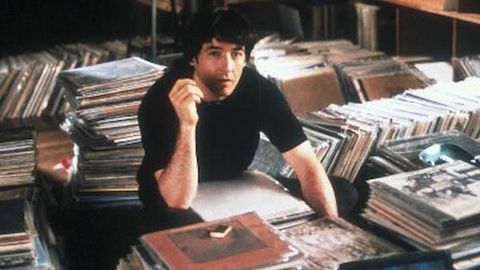
No, I spent 2 full days sorting out thousands of records into – wait for it – the decades that they were released, then jazz, blues, soundtracks. Favorite albums were set aside. Audiophile releases from Analogue Productions, MOFI etc. grouped together. Labels like Impulse! grouped together. The result was – I couldn’t find anything.

So, two mornings were spent re-organizing my records alphabetically (i.e. A-Z, then Aa, Ab, Ac etc.). It is a backbreaking process – but I just about managed to complete the pop/rock/soul/funk/blues part.

What I discovered was a surprising number of (unknown) duplicates. For example – I obviously bought 2 copies of “Radio City” by Big Star (2009 reissue) – but only recorded 1 in Discogs (they are identical – so I didn’t notice that there were 2). I have a couple of different reissues of “Horses” by Patti Smith – though the first one (Music on Vinyl) was perfectly fine. I have 4 copies of “The Crossing” by Big Country (who knew) – in three different colors. I bought reissues of albums that I already had – and the original was better (the 2010s reissues of ELO albums – no better than CD and seriously squelched dynamic range). A second copy of London 0 Hull 4 by Housemartins – that I never remember buying. Two copies of Jim Goodwin’s solo album – why? Obviously space is limited – so – which copy does one keep (the other will go to a less valuable space – no way am I parting from these records – see below): the original pressing of No Sleep till Hammersmith – or the pristine – but similar sounding reissue? I have stacks of albums by some artists (Paul Weller, Lucinda Williams, Ron Sexsmith) but hardly any by ones that I would have expected (Bowie – no “Hunky Dory” or “Aladdin Sane” or “Scary Monsters”). I have loads of duplicates of albums that came in box sets (Beatles, Traffic, Police, Credence, Springsteen, Petty, Steve Miller etc). I found albums in my Amazon wish list that I have already bought!

The issue/problem of duplicates in one’s collection is not unique to me (there are threads on both the Discogs and Hoffman forums). The problem is the unwillingness of most of us to give up our duplicates – i.e. sell them on Discogs (for me not worth the effort). This is probably an example of the “Endowment Effect” described by Danny Kahneman. The other psychological problem is “loss aversion”. I have had a copy of “Communique” by Dire Straits since it came out in 1979 – an original but unspectacular pressing. It is missing from my collection. I am really bothered about that (despite having a perfectly good copy in the the Dire Straits box set bought in 2013) and I didn’t rush to buy the Mofi audiophile version – so why am I bothered (maybe it’s in my parents’ attic)? And – what happened to 24 Carat Purple?

The major reason for sorting out your record collection is to make you aware that you probably have enough records already – stop buying them. But, of course, that’s like quitting smoking, opioids or worse – carbohydrates. It also risks the opposite – the inescapable urge for complete-ism (just one Radiohead album and I have the lot!).

Now that I have sorted out one part of my record collection, I run into the problem of just what to do with Jazz. Going alphabetically, I end up with Albert Ayler and Louis Armstrong side by side. Should one mix fusion with bebop. Japanese imports with Music Matters? Should 21st Century jazz be kept separate for 1980s neo classical jazz? What about labels and series? Valuable vs inexpensive records? Albums that I have cleaned vs the ones that are still a bit…..musty?

I decided to deal with the problem by using my usual method – procastination. Unfortunately, the usual benefit of that approach – i.e. put the job off and 1. it will never need to be done, 2. someone else will do it for you – will not work. So what will it be – A to Z or sorting by decades?

Needless to say – everything about sorting your records makes one reflect on John Cusack’s character in High Fidelity who sorted out his collection after breaking up with his partner. I didn’t realize that Hulu revisited the story last year in a gender reversed remake series – which – as with most good series in the USA – was cancelled after 1 season.

I realize that probably nobody else is interested in reading this blog entry – it was really written to remind myself – next time – to sort the records out properly the first time.
The Physical Product Blues

•November 16, 2020 • 3 Comments

These days, listening to music is so little work. With your iPad or phone you can stream any album from any era to any modern music system. I use Roon to stream my own digital library and Qobuz (which is delivered in high definition). Although streaming is a source of revenue for the music industry, the profit margins on physical products – digital or analogue are obviously far higher. To get people, like me, off the couch and flipping over records or sliding in CDs or Blu-Rays – there must be some advantage over streaming. This means premium product – the sound must be excellent, the pressing perfect, the packaging alluring – and there must be a sense of value. Unfortunately, the music industry doesn’t seem to get the message.

Over the weekend I sat down to listen to two albums that had been sitting in plastic wrap on the shelf- Tim Garland’s Return to the Fire and David Crosby’s Sky Trails. The Garland album wasn’t much to look at, but only cost me £16. The Crosby album (all of his recent work has been really good) was a bit more expensive in a sumptuous gatefold (sandpaper inner sleeve, mind). Both records were riddled with fuzz – that scuzzy static-y sound that you occasionally get burned with when you buy older “near mint” records – but the previous owner used a knitting needle rather than a stylus. No amount of cleaning can remove the sound of bad pressing. Unfortunately, the Garland album was beyond it’s return date: low and behold – I could stream it at 24/88 on Qobuz without having to listen to that scratchy fuzzy sound on every rotation. So I’m stuck with a record by a favourite artist that I will never listen to again. This is one of the drawbacks of the “vinyl” revolution – the relentless deterioration in pressing quality consequent of mass production of “Eagles – Their Greatest Hits” and “The Dark Side of the Moon,” Record Store Day and the crappy vinyl records you get in “superdeluxe” sets. If you buy vinyl records – take them out of the shrink wrap and play them the day they arrive: return if the sound is bad or they are warped.

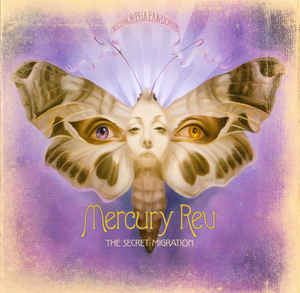
I bought Mercury Rev’s 5 CD deluxe edition of The Secret Migration: two of the CDs refused to play. Back it went for replacement. Richard and Lind Thompson’s box set has the same problem.

CDs have been around for nearly 40 years – and suddenly they are having problems pressing them as well! FFS.

October. Neil Young announces ARCHIVES II. At last. But no – this won’t be a multi media Blu Ray collection (Archive I was) – it will be a cheap ass 10 CD set in the same gargantuan box (so big and empty that Ryanair would force you to check it in) that accompanied Archives I (and I tossed mine into a dumpster years ago keeping the inner wallet) – all for a few dollars shy of $300. They pressed a mere 3000 (everybody knows that Neil Young would expect to sell 100,000 copies of this box set) and sold them on his website (not the mom and pop record shops that have been hawking his products for the past 53 years). Instant sell out – and straight up on eBay. Now he has announced a few thousand more – in the same stupid box with different lettering for a modest price decrease. Inevitably you will be able, eventually, to buy the product for about $60 on Amazon; next year or the one after. Just to put this into perspective – for €300 I could buy 10 CDs of Neil Young music – that I can probably stream any day now at high res- or I could, and did, spend €250 (including delivery) on Pink Floyd – The Later Years – which is a truly amazing product (from Amazon Italy) – full of Blu Rays, tour programs, tour tickets, documentaries, remixed albums etc. (although for the life of me I don’t understand why they bother with the 7 or 8 DVDs – surely anyone who would buy such a product would already have a Blu Ray player (they cost about €25 these days). It is just gorgeous – and, dare I say, almost worth the price.

I really don’t understand the Neil Young pricing model – with the two versions of ARCHIVES II – the most money he could make is about $1.5 million. For a reasonable price and worldwide distribution – taking into account retailer fees etc – I figure he would make about $5 million profit – and that is just the Christmas market. It is bizarre. Moreover, it is bringing out the worst Record Store Day behavior from people. And remember, the premium pricing is to buy a big empty box that is the size of a desktop PC – that absolutely nobody would display on their shelve because 1: it is the shape of a Jenga tower and 2. it is fuck**g ugly. The Pink Floyd box, designed by Hipgnosis, could be displayed in a gallery.

I would, however, happily, shell out €60 for the high resolution download.

Blue Note 80 – the Masterpieces

•October 24, 2020 • 1 Comment

The Blue Note 80 series is going to be extended to release the Ban masterpieces (previously released as Music Matters 33 series). The albums going to be reissued in AAA vinyl, mastered by Kevin Gray. The BN80 series started off a bit ropey- mediocre pressings on 140g in sand paper covers – but they subsequently really upped the quality. If you don’t have these titles – they will retail for less than €25 – you need to buy them – they are are truly fantastic.

It’s a pity Universal don’t just start a subscription service as Amazon are very slow to list the albums as preorders.

Here is the link.

Acoustic Sounds Jazz Reissues

•October 18, 2020 • 2 Comments

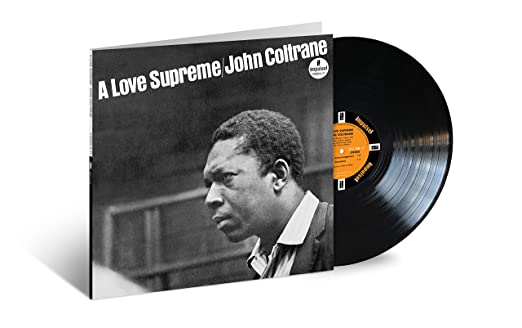
Suddenly a large pile of mid autumn box sets and pre-ordered vinyl reissues arrived on Thursday and Friday. Chief among them were long awaited John Coltrane Classics, on Impuse Records – “A Love Supreme” (ALS) and “Ballads.” This is just a quick early review that I promised a reader.

First things first – I have loads of albums from Analogue Productions (AP) and Quality Record Pressings (QRP) – and they are really a hallmark for great sounding audiophile vinyl. Moreover, the “Verve” Acoustic Sounds (AP) series is being mastered by Ryan Smith at Sterling Sounds – again, virtually everything that I have by him is outstanding.

So, first things first: the albums look – well – meh! Remember, Impulse! records were premium products back in the 1960s, due to Creed Taylor’s insistence the ABC used high quality glossy gatefold sleeves and labels – using Van Gelder as the recording engineer. Every Impulse! reissue in every format that I already have (and I have loads of them) – looks really good. The AS versions look – well – the same: no Tone Poet heavy duty cardboard here. The records are housed in plastic inner sleeves – totally generic – not the lovely QPR sleeves that you get from AP or Vinyl Me Please (VMP). The records weigh 186g each – solid but not the solid 200g AP Prestige reissues. So, this does not look like a premium product. However, keep in mind that these records cost $27 in the USA (the equivalent of about €30 inculding VAT) and cost €39 in Europe: standard pricing in the USA – premium pricing in Europe.

I have really nice versions of Ballads and ALS on Impulse! of undetermined provenance: maybe they are 1995 reissues, maybe not (both were bought in 2009). I also have 24 bit and CD reissues of both and a DSD version of ALS. I have listened to both albums A LOT.

Be aware – most of the Impulse! master tapes burned in 2008 – these two survived but as to whether the ALS master tape is the “master” is very controversial. My understanding is that ABC sent the masters out for some post-production to a different lab (Bell Sound), to put some controlled fade at the end of side 1 and beginning of side 2. They then used that version (a copy of the original) and dumped the master. Furthermore, a lot of the “masters” were copied in the 1970s (they were shedding oxide) and the originals were dumped. A Speaker’s Corner reissue of ALS and the 2002 CD reissue (and probably all current digital versions) came from the UK “master” tape – a first generation copy, that might be better (no doubt there is a Japanese one somewhere). Whatever way you look at it – ALS is not the best sounding album to come out of Van Gelder’s studio. “Ballads,” in all its versions, sounds better. However, ALS is widely considered one of the top 5 jazz albums ever recorded. The music is wonderful and every music collection should have a copy. If you really like the album, Ashley Kahn’s book about the album is worth a read.

The sound:

Neither album jumps out at you like the Music Matters Blue Notes, the Analogue Production Prestiges, the Tone Poets or even Ryan Smith’s recent VMP reissues. The albums are very well engineered lending a precision and tonal balance that my previous vinyl versions lacked.

Ballads – the AS version is slightly dryer than my older vinyl reissue, but smooth with excellent instrument separation. Lots of top end, good soundstaging, clear bass. It took me a while, but I enjoyed the album. It was not engaging enough to be rewarded with multiple flip over replays, nonetheless.

ALS – again compared with the older vinyl – the new version has less boomy bass and better midrange (it is like the “loudness” switch was turned off). Not necessarily more involving, mind. One of my major issues with ALS is the stereo image – Coltrane off to one side – the bass, drums and piano competing for space in the other channel. It is not a headphone album. ALS is one of the few jazz albums that is easier to listen to in the car versus sitting in front of a pair of speakers. Part II, in particular, is really distracting. In comparison, the 24/96 version (HDTracks I think), is crisper with much better resolution between the different instruments. Overall, I think I prefer the digital version.

Should you buy the AS version of ALS? If you are looking for an AAA version of this classic on vinyl, it’s a no brainer. If you like your current version, including the CD – stick with it. Ballads is probably a better buy If you were to choose one of the two.

Comfort Music as the world turns dark

•October 15, 2020 • Leave a Comment

A global pandemic, the rise of authoritarianism, Brexit, Trumpism – this is not a great time in history. It has not been helped by the awful mediocrity of current popular music.

Starved of something to listen to in these darkening days, along came an envelope from Amazon containing a box set to lift the spirits: The Secret Migration by Mercury Rev. Over a 10 year period, book ended by “See You on the Other Side” and “The Secret Migration” Mercury Rev (MR) released a series of lush orchestral pop albums that dripped with melancholy, hope, sweetness.

The music in the Secret Migration is as soothing as a lullaby. The album was described as “gorgeous songs about love and optimism.” Although “The Secret Migration” received mixed reviews at the time: Uncut, Pitchfork & AllMusic – didn’t like it, the majority of reviewers did. I liked it then and I like it now – and the album is far superior to much of the dross that is currently being released. LA Times “There is undeniable sweep to these 13 understated tracks, a modern psychedelic current that is lush, ominous and lovely.” Regardless, I have found the optimism and beauty to be quite a tonic for these troubled times.

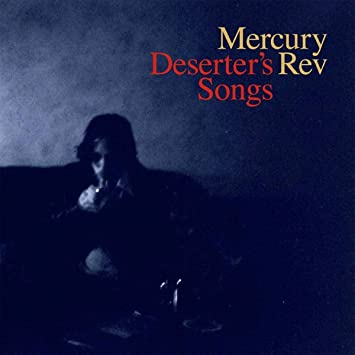
Deserter’s Songs” from 1998 probably remains their magnum opus – a modern orchestral soundscape that combined indie, shoegaze, dreampop, powerpop and psychedelia just like it’s doppelganger “The Soft Bulletin” by the Flaming Lips. MR subsequently released just the instrumental background of the album.

All is Dream,” released in 2001, is another masterpiece – darker and more intense than Deserter’s songs but just as immediate. It was also released as a multi-CD box set and 2 LP vinyl set by Cherry Red in the past year or so.

If you don’t want to sit through the 4 Mercury Rev albums from that era in sequence, as I did – and it cheered me up no end, then it is worth exploring their “greatest hits” collection, that also includes some notable early favorites. The band recently toured “Deserter’s Songs” – for it’s 20th anniversary; I went to see them in a small local theatre and Grasshopper and Jonathan Donahue and their band were just marvelous during that short set.

Mercury Rev’s most recent LP release is a note-by-note reconstruction of Bobby Gentry’s “Delta Sweetie” – that features Lucinda Williams (“Ode to Billy Joe – that is absolutely not on the original album), Phoebe Bridgers, Beth Orton and others. It is a fun record – but stream it – buy the original that has recently been reissued in a glorious package by UME.

Pink Floyd Tribute Acts

•October 8, 2020 • 1 Comment

A strange thing happened the other evening – I watched two Pink Floyd tribute acts on my TV – back to back and not a single song overlapped between the two. That the tribute acts featured two original member of the band is almost moot – both were hugely entertaining performances.

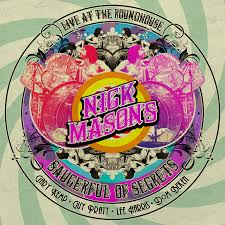
The first, of course, is the new Nick Mason’s Saucerful of Secrets (NM-SOS) live album, featuring Guy Pratt, Gary Kemp (yes the Duran Duran one), Lee Harris, and and Dom Beken. Their “Live at the Roundhouse” concert has been released on a variety of formats, including double vinyl (I spend my life telling people not to buy concert albums on vinyl – and then went ahead and bought this one) and Blu-Ray. The band play classic Pink Floyd material, prior to the Dark Side of The Moon – 7 albums worth (though this includes the horror studio album component of Ummagumma). And boy is this concert fun – the guys are clearly having a great time, and some of their arrangements – “Atom Heart Mother” – for example are really original and entertaining. A lot of the pre DSOM Floyd stuff is heavy on noodling – the snoozefest that is “Live in Pompeii” is an example – or filler (most of “Meddle,” in particular the abominable “Seamus”) – but there are lots of catchy pop songs (“Childhoods End” See Emily Play” “If”) and engaging instrumentals. I watched the whole Blu-Ray in one sitting – and then turned on Sky TV to discover that they were showing “Us & Them” – the concert movies of Roger Waters’ most recent tour.

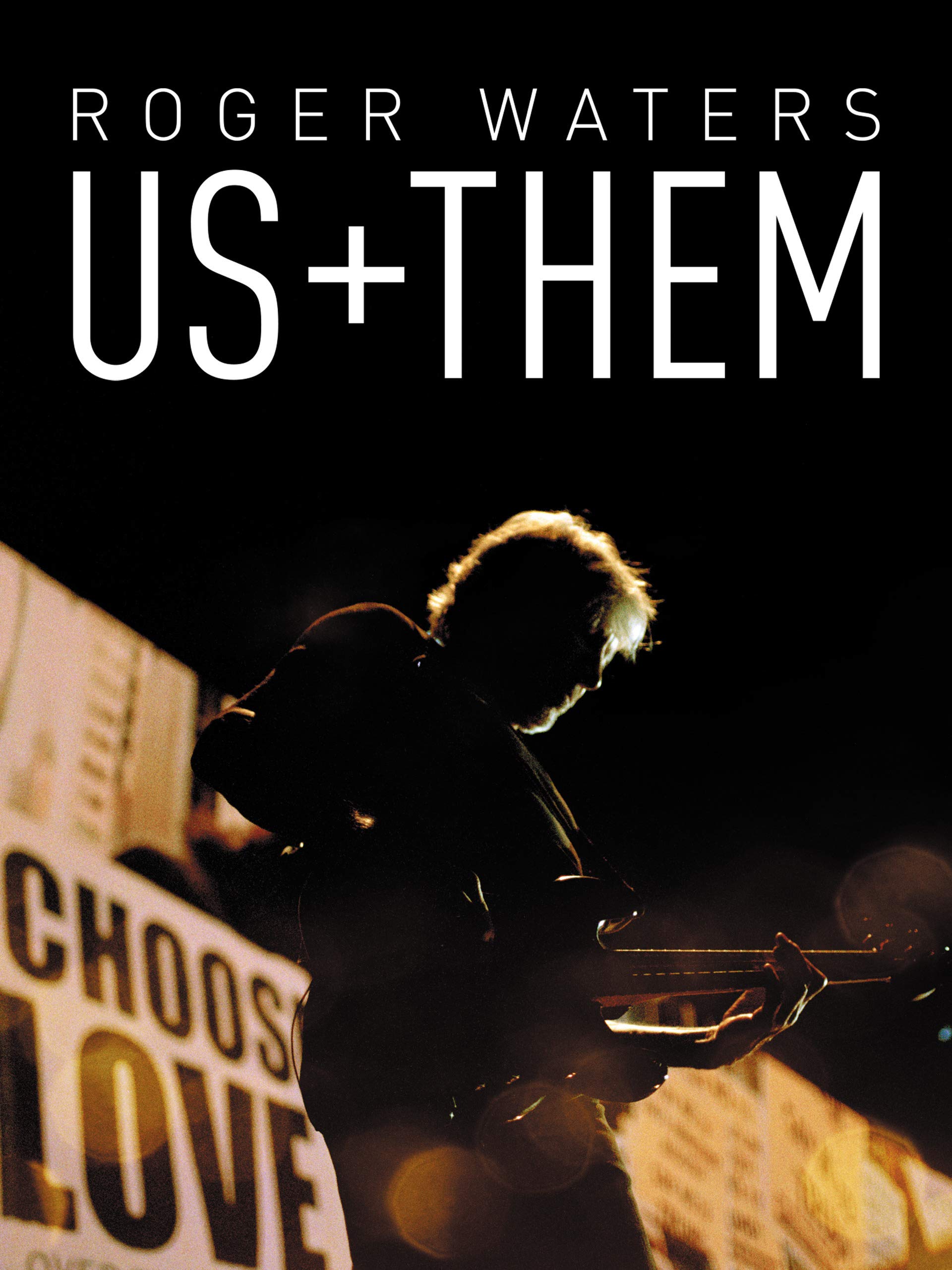
If you get to go to a Roger Waters concert, be aware – it will be visually stunning, sound fantastic and feature a set list to die for. You will also have to tolerate Roger’s relentless resentfulness for his father’s untimely death (he is 77 now)* and various sanctimonious politically aware offerings – with which you may or may not agree. It is worth the discomfort. “Us & Them” is awesome – I have only seen the TV version but I’m sure it is the same as the Blu-Ray – just spectacular – and – hello – there is Jonathan Wilson pretending to be David Gilmour (I prefer each and every one of Wilson’s solo albums to anything recorded by Roger Waters in the past 35 years). Compared with NM-SOS, everyone is very serious (except Roger who always seems to enjoy himself on stage) – but they are playing to a gargantuan arena in Amsterdam versus the almost cosy Roundhouse in London. I could just sit and listen to the music and watch the backdrops on the screen without ever seeing the (very uptight looking) band.

With David Gilmour intermittently doing his own Pink Floyd tribute act, it makes you wonder how hard it would be to get the 3 remaining Floyd members together for just one concert (yes I know they did Live-8), a bit like “Celebration Day” by Led Zeppelin. Considering the number of shared musicians that they have used over the years, it would be pretty easy to pull off.

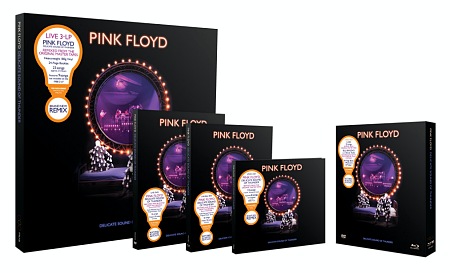
Of course, the ultimate Pink Floyd tribute act was the 1987 version (featuring Mason and Gilmour – Rick Wright was a paid musician at the time) – of Pink Floyd! They released two concert movies – Live in Venice (which was great) and “Delicate Sound of Thunder (DSOT)” – which was a mess. Thankfully, DSOT is about to be re-released – with a full re-editing and audio re-mix. This was in the Later Years box-set – but nobody I know either bought it or could afford it [I’m hoping that they will debundle the components like they did with the Early years – so that I can buy it piecemeal – spending the same amount of money for an inferior product but convincing myself that I am not a spendtrift]. Apparently it is stunning.

*The last concert version of “The Wall” was ruined by recurrent cutting away from the concert to interview segments of Roger being miserable. I don’t know how many concert DVDs/Videos I have bought that do this – there are loads: music industry please – stop fucking up the concert and release the bloody documentary separately – we just want to hear the music. Rant over.

Muddy, Murky, Soup and Steven Wilson

•September 30, 2020 • 8 Comments

I can’t tell you how many – but there were a lot – records that I bought during the analogue era – based on reputation – that sounded absolutely horrible. Among them were “Exile on Main Street,” “Layla & Associated Love Songs,” “Aqualung,” “Let it Be” & “All Things Must Pass” (and anything that Phil Spector touched), “Disraeli Gears,” “Katy Lied” (astonishing bad sound for a Steely Dan album)”, early Tony Visconti Bowie albums, “The Smiths (Troy Tate vinyl reissue please)”, “Buffalo Springfield,” all of the John Coltrane Atlantic sides (and, virtually everything engineered by Tom Dowd), most of the Led Zeppelin albums. Then of course there were the 5000th record pressed on the stamper (my version of “Rumours” for example) that has no top end, no bottom end and no middle!

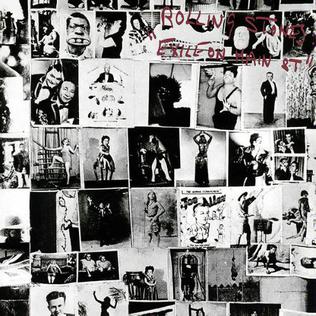
Fortunately, CD arrived in the mid 80s and by 1995 every album had been digitally remixed and remastered.* Many of those ADD remixes were wonderful. For example, Bob Ludwig’s work on the Rolling Stones catalogue is fantastic – in many ways the Virgin CDs (mid 1990s) and the ABKCO SACDs (early 00s) are the definitive versions of their albums. I have at least 8 versions of “Exile” (1980s CD, 1995 Virgin CD, 2000s UME Deluxe Edition, 2010 Vinyl Reissue, 2016 1/2 Speed “Abbey Road” Vinyl, 24/96 Pure Audio Blu-Ray, 2014 SACD) – and I still think that the Ludwig CD is the best sounding (i.e. the most modern sounding version). The 2010s versions on Universal were horribly loud, almost to the point of unlistenable.

*There is an endless issue with terminology here: remixing involves taking the original multi-track masters and adjusting the sound levels of individual components, manipulating the EQ and usually widening the sound-stage. Remastering involves adjusting the EQ of the original master tapes – in terms of loudness, EQ (bass and treble and balance). It is likely that most of the “digitally remastered” CDs from the 1990s were actually remixed and remastered i.e. ADD or DDD.

Here is the rub – all analogue (AAA) enthusiasts demand that the best version of a recording is derived from the original master tapes. What if the sound on the tape is, frankly, crap. Remember that the majority of “new” reissued records that have come out over the past decade are digitally sourced, principally from those remastered CDs – and yes – they frequently sound better than your original vinyl version.

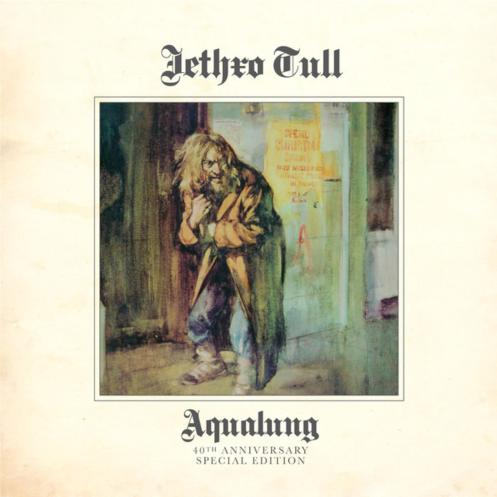
Two records are being reissued this autumn that caught my eye: a half speed master from the original tapes of “Layla & Assorted Love Songs” by Derek and the Dominoes (Eric Clapton) and “Aqualung” by Jethro Tull – a UHQ reissue by Analogue Productions. I don’t plan to buy either, despite loving both albums.

Like “Exile” Layla has been re-issued 300 or 400 times – I have at least 10 versions also – ranging from the “Back to Black” vinyl pressing to the Pure Audio Blu-Ray at 24/96. Like Exile – my first version was the 1980s CD – that sounded murky (like a veil was dropped on it) and like Exile – the 1990s CD remaster made the record listenable, at last. There have been a bunch of vinyl reissues – including a decade old Super Deluxe version – that sounded – mmm – just like the CD. So, when Mobile Fidelity announced that they were using their ultra gain thingy magic to bring out the original master tapes from the mirth – I jumped all over it. Every few months I take the record out and give it a spin – meh – it just doesn’t do it for me. On the other hand, for 15 years or so, I have had the SACD sitting in my listening area – and I frequently put it on an enjoy the album. What is really astonishing is the 5.1 mix on the SACD – which is entirely different – there is no soup – it is crystal clear, and – folded down into stereo – this is the best version of the album that I have heard. Stuff the original master tapes – they were not well engineered or mastered!

Strangely, when I bought the 40th Anniversary super deluxe box set – what I was really after was a 5.1 mix that could be ripped easily from the disc. Instead of a high quality PCM 24/96 version, or even a 16/48 stream, what I got was a Dolby Digital or DTS 48kHz lossy version that was ok, but not as good as the SACD (it might have been as good if in lossless format). Robbed. An wait, there’s more – the engineers who did the surround mix received a Grammy for their work.

If you want to assess your version of this album (let’s face it everybody has a copy) – then listen to the line of “Bell Bottom Blues” where they all join in to sing <Do you want to see me crawl across the floor to you?> On my multiple vinyl versions and 1980s CD this is screechy, compressed and brickwalled. On the newer digital versions, with the lower noise floor and greater dynamic range – it sounds good – almost in tune.

Atlantic was probably the greatest ever record label and Ahmed Ertegun the greatest music mogul – they invented 8 track recording but their records are universally muddy sounding. It is worth noting that, like them or not, we are stuck with the Atlantic masters forever. The multitrack masters were destroyed in a fire in Long Branch, New Jersey, in 1976.

One of the first CDs that I ever bought was “Aqaulung” by Jethro Tull. Again this was AAD (most CDs from the 80s were) – i.e. a direct lift from the original master tapes. And it sounded bloody awful. We are talking mushroom soup here. A lot of the Tull albums sounded bad. However, about 10 years ago – I was given a new box set version of the album, on CD and vinyl for Christmas. I had low expectations, but, giving the album a spin – I was spellbound. I could actually hear….everything! And the mix was crisp and dry (i.e. not loud and compressed) and modern. Behind this was the wunderman Steven Wilson. Of course, when you buy a Wilson related product (with the exception of the Pink and Grey by Caravan), you get about 6 different versions on the Blu-Ray – including a 5.1 surround mix, that was also wonderful.

It is only when you read how Wilson goes about remixing albums that you realize that, for classic albums that were badly mixed originally, a new digital master derived from the multi-track tapes is the only way to go. This is, of course, how the surround versions of Layla were produced. This is what Giles Martin has been doing, somewhat controversially, with the later Beatles albums. And yes, remixing 1960s albums is ok because the fidelity of the master tapes was superior to the fidelity of the playback systems back then – and, mastered for modern ears with modern hifi they sound amazing. I may be in a minority of one, but I think that I prefer the Giles version of Sgt Pepper to any of my 1/2 dozen other versions, including, possibly, the legendary mono mix.

Unfortunately, after 1995, the world of digital audio was ambushed by the “loudness war” – and album masters from that era (up to 2010) must be close to unlistenable. A whole heap of loudness era CDs need careful remixing and remastering – “Be Here Now” by Oasis, “Pop” by U2 and, more than any “Californication” by Red Hot Chili Peppers.

On a final note, and I eluded to this is a previous post, I have spent much of this year listening to jazz from about 1953 to 1964 almost exclusively on AAA vinyl (a combination of original pressings, Japanese reissues and audiophile reissues) – and there is no doubt that these sound better than the digital releases of the same music. However, today, virtually every album released is derived from a digital master – and many of the LPs pressed – particularly on ECM and Nonsuch – sound spectacular. “Valentine” by Bill Frisell is spellbinding on vinyl, but digitally recorded.

Final gripe: I listened to a stream of “Goats Head Soup” – super-deluxe during the week and really enjoyed it. The group at this stage still featured Mick Taylor, and some of the music is exceptional. The “Brussels Affair” bootleg is finally issued officially. So, rush of blood – I ordered the set for €100 from Amazon Germany, principally for the 24/96 surround version. Then I discover that the remainder of the material is not on the Blu Ray – i.e. Brussels Affair – which I presumed would be presented in hi res. No – you pay your money and get the downgraded CD version. Never mind – for €25 I can download the whole set at 24/96 from Qobuz (sublime). I think if the record company are going to stick us with lousy CDs for these box sets, the least that they could do is furnish you with a high resolution download code.

A Few Random Thoughts about Jazz

•September 24, 2020 • 1 Comment

Gary Peacock died in early September. He may well have been the most successful bass player in jazz history, in terms of income and ticket sales. How is that? He was part of the Keith Jarrett trio (with Jack DeJohnette) for decades and recorded a number of albums with the trio, and, of course – as a solo artist. After hearing of this death, I came across a double DVD (ECM) of the Jarrett trio playing in Japan in the 1990s – they tended to re-interpret the American songbook – fabulously entertaining stuff it is too. Many will not be aware that Peacock actually replaced Scott LaFaro in Bill Evans’ trio in 1962/3 and played on Evans’ first Verve LP – “Trio 64.” Listening to that album you can hear a really inventive bass player – but the interactions with Evans don’t interweave the same way as with LaFaro – this was a criticism at the time – but modern ears will find that recording pleasing. He then headed off to the extreme avant guard with Albert Ayler – playing on the legendary “Spiritual Unity”, before fronting his own bands in the 1980s. A true legend. Incidentally, and sooner or later I’ll get around to writing about this, his origins were on the “West Coast”.

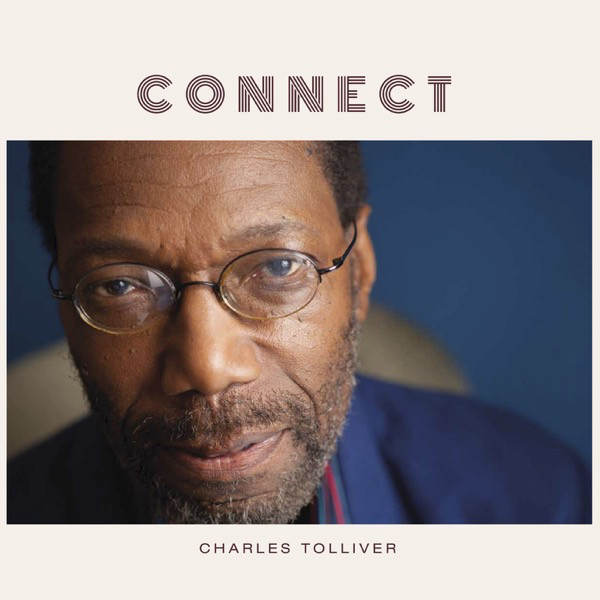
A couple of weeks ago two albums arrived in the mail on the same days featuring Charles Tolliver. One was the recent Tone Poet reissue of It’s Time by Jackie McLean. The other was a new album by Tolliver “Connect” released on Gearbox records. Pure Pleasure reissued an allstar session (Gary Bartz, Ron Carter, Herbie Hancock) led by Tolliver in 2019 that was recorded in 1968. So he’s going through a bit of a renaissance (at least in my house) these days. To me, Charles Tolliver is like the Art Pepper of Trumpet – instead of the muscular style of Freddie Hubbard, or the staccato style of Miles, Tolliver plays fluid melodic lines that are relentlessly inventive, allowing the music to flow, but never playing predictably over the chord changes. Really underrated. He should be touring in 2021 (presuming the Pandemic fizzles out eventually). Short interview here. And a great Before & After from Jazz Times here.

Charles Tolliver “Connect”

It has been an unusually good year so far for jazz fans with the Blue Note and Acoustic Sounds audiophile reissues, and lots of really great new recordings by Artemis, Dinosaur, Pat Metheny, Ambrose Akinmusire, Carla Bley, Joshua Redman (and band), Avishai Cohen (the trumpet playing one!), Bill Frisell (fantastic sounding vinyl record), John Scofield and more.

Jimmy Heath

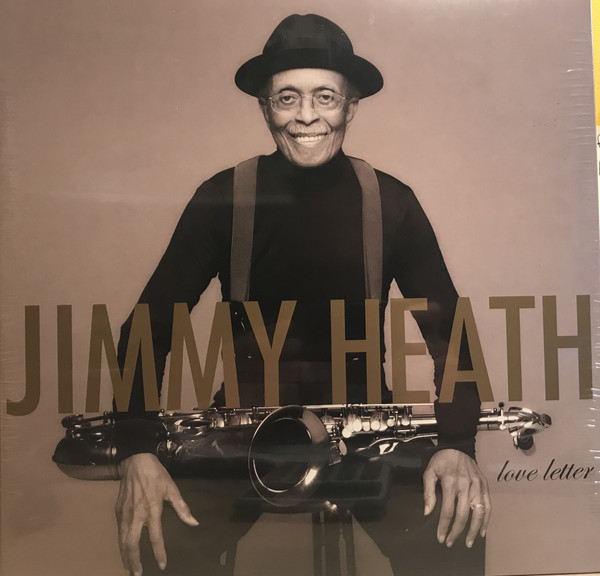
But, there were two records that I have really enjoyed. The first was the last recording by Jimmy Heath (“Love Letter”), one of the great post bop tenor sax players – accompanied by Kenny Barron on a series of standards, all ballads, with two vocal tracks by Gregory Porter and Cécile McLorin Salvant. Gorgeously presented in a firm cardboard sleeve, with the newish brown Verve label – it is a wonderful record just to relax to. I had it on repeat (flipping over from one side to the other) for weeks after it came out. Heath died soon after the recording – he was 93 – remember he was a peer of John Coltrane’s in Philadelphia in the 1940s . If you enjoy this recording, you can check out the Quota and the Thumper – both available from the Jazz Workshop on vinyl.

Gary Bartz and Maisha

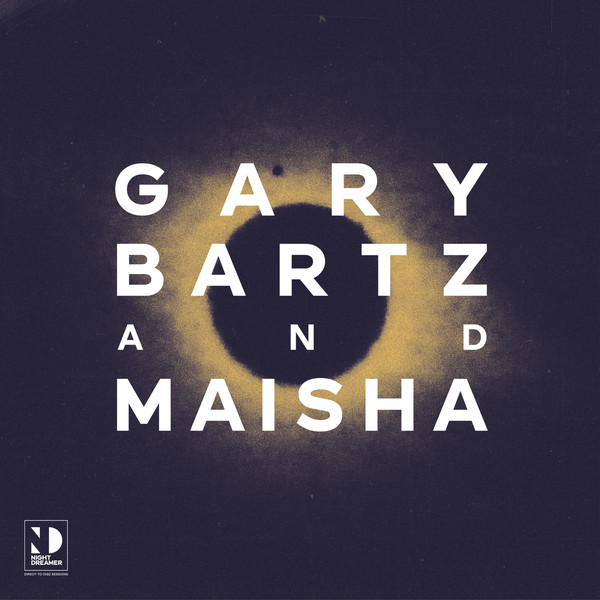
The other album that I really enjoyed was released by Gary Bartz and Maisha (a UK jazz group). This LP came out on the Night Dreamer imprint and is a direct to disc recording: the acetate is cut directly from the microphones – no tape involved. So, super analogue. It is a wonderful “intergenerational conversation!” If you’re spending €40 a couple of times a month for Tone Poet reissues of deceased musicians – spare a few bob for the living and up and coming and buy this or any of the records listed above.

Charlie Parker Craft 10″ vinyl box set

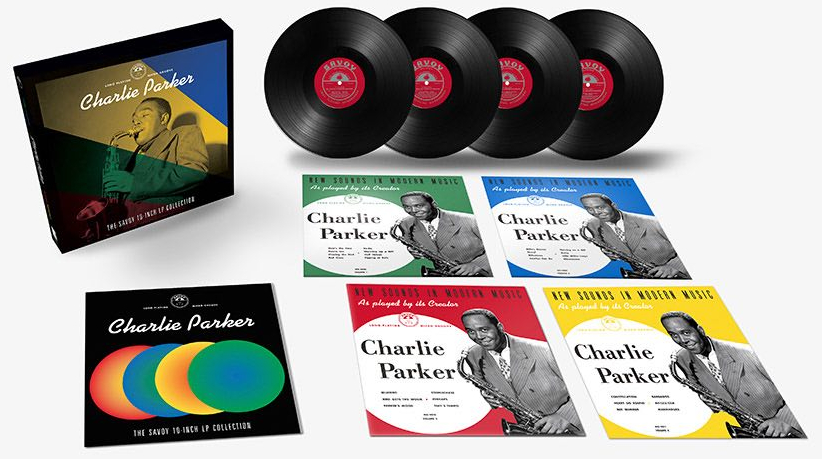
Finally, despite my own rule to avoid anything recorded before 1950 – I just cannot listen to lo fi no matter how good the music – I pulled the trigger (good price) and bought the Craft recordings Charlie Parker 100th anniversary 10” box set. These were the sides that Parker recorded for Savoy records between 1944 and 1948 – and boy are they good. I have bought a lot of box sets in my time – but I don’t ever remember listening to the whole thing before (admittedly 4×10” doesn’t take forever) in one sitting. The sheer power, agility, imagination of Parker and his sidemen is just startling – and this was it – peak Bebop – everybody who played jazz arterwards was in some way derivative. Beautifully presented except for the god-awful sandpaper inner sleeves (its not as if you can get nice plastic 10” inners anywhere nearby) – definitely worth looking at – or streaming. The sound, for the era is very good indeed.

The Day the Blues Died

•August 24, 2020 • Leave a Comment

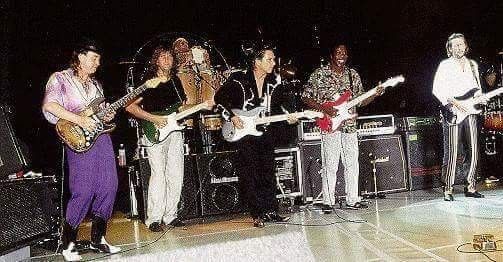
alpine valley30 years ago. Alpine Valley (East Troy Wisconsin) – a natural musical amphitheater 90 or so miles from Chicago. There is a single road in and out. Getting home after a concert takes – literally forever! Eric Clapton was the headliner. Three helicopters had been lined up to extract Clapton and his entourage back to Chicago after the gig. His tour manager decided to stay at the venue, opening a seat on one of the helicopters – a seat that was made available to the supporting acts. Wanting to get back early, the guitarist leader of one of those acts took up the offer and climbed aboard for the short flight on a warm but foggy August night. The helicopter never arrived in Chicago. All aboard, including the guitarist, Stevie Ray Vaughan (SRV), had died when the chopped slammed into an nearby hill. The date was August 27th 1990: it was the day the blues died.
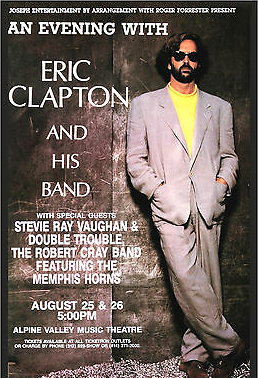
clapton alpine valleyLast week I sat through “Top of the Pops – the best of 1989.” It was not a pleasant experience – aside from an appearance from the Stone Roses, mainstream music at that time was horrible manufactured pop, house music, cheesy pop rap and hair metal. While there was a thriving alt rock scene around in those days – before the internet all we had was commercial radio, MTV and whatever they were paid to play on the TV. Sonic Youth, Husker Du, Inspiral Carpets, Dinosaur JR – they were not in the radar. There was, however, a quiet revival of blues rock that had gradually been building stream throughout the decade: old blues folk like Buddy Guy, Albert King, BB King, Lonnie Mack, Roy Buchanan, Otis Rush, Koko Taylor, Taj Mahal, John Lee Hooker, Albert Collins, Johnny Copeland, Fenton Robinson, were joined by a host of younger stars – Robert Cray, Joe Louis Walker, The Kinsey Report, Robben Ford, Eric Johnson, Jeff Healey, Gary Moore, Bonnie Raitt etc. The Rolling Stones and Eric Clapton were rediscovering their blues roots. At the forefront was a 35 year old journeyman blues guitarist from Dallas,  signed to a major label (Sony/Epic) – who was just emerging into national prominence (crossover appeal): SRV. The 1990s promised to be his decade. When he died, the blues revival petered out and Grunge, Shoegazing, Baggy and Britpop came to define guitar music.
SRV alpine valley

The SRV story reads like a Shakespearean tragedy: childhood and teenager years in older brothers’ shadow, years touring the club circuit, playing on Bowie’s “Let’s Dance” – but then not going on the world tour, being “discovered” by John Hammond, a demo record (made at Jackson Brown’s studio) that turned into the major label debut (a recent mofi $125 ultra disc – it probably didn’t cost much more than that to record!), life threatening substance abuse issues, near death, sobriety, resurrection, rising stardom, Saturday Night Live, album with brother, beautiful girlfriend….and then bam!

As Huey Lewis said ” He went through all that just to die in a fucking helicopter crash!”

Today it is hard to separate SRV the legend from the musician. How much did he contribute to blues as a musical form? Certainly, and in particular his first 2 albums, Vaughan was able to replicate the riffs and solos of Albert King, Albert Collins, Kenny Burrell and Jimi Hendrix with an extraordinary degree of precision. He played fast and loud with extraordinary tone without a huge array of effects pedals. Not unlike Eric Clapton, whose early style was a facsimile of Freddy King’s, SRV was gradually building up his own vocabulary at the time of his death (for Clapton it would have been at the time of Layla, perhaps).

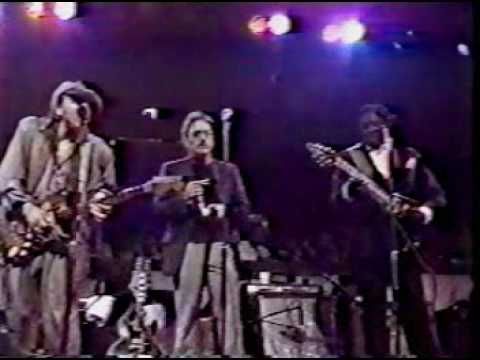
SRV albert kingI’m sure that he was best seen playing live and jamming: although everybody is familiar with the the “In Session” video/CD with Albert King, my favorite live moment was SRV, King and Paul Butterfield from 1987 (take note of how he introduces Albert). This was a “superstar” session hosted by BB King.
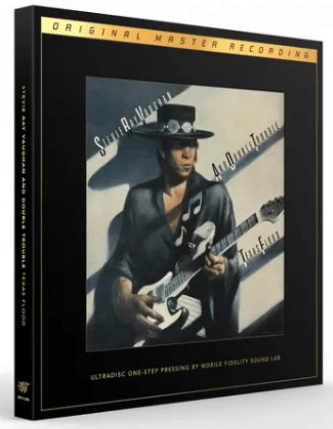
 

srv texas flood mofiAside from a good bit not great “live” LP, the albums recorded with Double Trouble still sound fresh and engaging. The 1990 release, “In Step”, was notable for its more commercial veneer (“Tightrope”, “Crossfire”) and confidence indicated a group of musicians ready to cross over into the more financially rewarding rock genre. All of those records have been reissued by Analogue Productions – and are available as a box set and are a worthy investment. If I was to pick one to own it would be “Texas Flood” – a raw rough debut recorded live in the studio – but there isn’t much between it and “Couldn’t Stand the Weather”. “Soul to Soul” is ok – but at that stage the drugs were a problem.
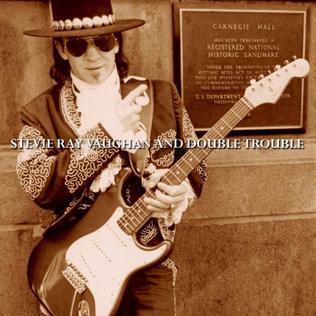
SRV and Double Trouble (Chris Layton (drummer) and Tommy Shannon (bass), SRV_Live_at_Carnegie_Halloriginally, joined later by keyboardist Reese Wynans) were reputedly a great live band. There are several available live albums and videos (Montreux Jazz Festival 1982 and 1985 stream here) and- there are so many official bootlegs out there – but for official material I would go with the meticulously planned Carnegie Hall concert with the bigger band and horn section. This has been released on both CD and vinyl.
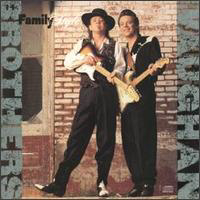
Family_StyleJust prior to his death, SRV recorded a co-leader album with his older brother, Jimmy Vaughan Family Style”). It was released posthumously – and for me represented one of the most disappointing albums I have ever queued up to buy – on the day of release. On cassette. I expected down a dirty Texas blues (like “Showdown” – the Cray, Collins, Copeland album). Instead they released a Nile Rogers produced AOR record, with that ghastly 1980s sheen and popping drum sound. I have never owned the record in vinyl or CD. Last week – out of nostalgia – I streamed Family Style in the car: it was far better than my prejudiced ears of 30 years ago recall.
Finally, if you want to read more – Alan Paul released an official biography “Texas Flood” in 2019 – it is an excellent read and an even better audiobook (the “interviews” are voiced by a combination of bandmates and actors) – and it is available on Scribd.

Universal Audiophile Jazz Reissues

•July 23, 2020 • Leave a Comment

Universal (UMG) own Verve and most other great jazz labels from the peak era 1948 to 1968. After the success of the Blue Note Tone Poet series – UMG decided to release audiophile versions of back catalogue recordings  – but of course nobody trusts the provenance after the fire, so they got Chad Kassem of Analogue Productions to curate.  UMG are releasing a couple of titles every month, presumably pressed at QRP and expected to sell well. It seems that each month a different label will be selected – Verve, Philips, Impulse!, EmArcy etc. and the titles are very attractive, particularly if you are only starting a collection. Month one, for example, features an excellent 1959 Oscar Peterson / Louis Armstrong set alongside Jazz Samba by Stan Getz. But month 2 really piqued my interest – “Ballads” and “A Love Supreme” by John Coltrane – both of which I already have but – hmm a 33rpm AP style reissue (despite the €44 pricetag) seems very tempting. Co-incidentally, I was flicking through a 2003 (! yes I know, see previous post) copy of MOJO and read an article by Ashley Khan about Coltrane and Impulse records (basically a prequel for the book “The House That Trane Built” – which is excellent). Below is a comment from the article, that now seem prescient:

ashley khan

Apparently, fortuitously, the two Coltrane albums (were there more) were “out” at the time (for what – ? the 2010 AP Love Supreme maybe, ? 2009 ORG version of Ballads), and Kassem stands by the masters. I wonder, however, how much of this is “bait and switch”: the Tone Poet series are from (presumably) newly AAA remastered acetates from the original “master” tapes. There are issues with wow and flutter. Perhaps Blue Note would have been better digging up old metal parts from really good mastering sessions and re-pressing. However, with the AP – well all they say is that the titles are from the original masters – nothing about whether they are repressed or not (but the packaging will be gorgeous). According to Fermer the Getz Gilberto release will be from a pre-existing 33rpm master – possibly one the George Marino did while putting together the 2 x 45rpm 2011 AP version. Its a great record, everyone should have a copy. A recent Ahmed Jamal – At the Pershing release from AP used metalwork from 1983 (and doesn’t sound a whole lot better than the 2013 DeAgostini version). I do think that “audiophile” labels need to be careful and be “straight up” with the provenance of their product.

The other releases in this series that have me excited are “Sarah Vaughan with Clifford Brown,” “Clifford Brown & Max Roach – Study in Brown” & George Russell’s “New York, NY”: I have at least 2 (in SV case 3) copies of each and would dearly love a true audiophile version. But, realistically – will the George Russell album sound better than the 1993 version that I paid a lot for (and still don’t know if it is digital or analogue sourced) or the 2-fer French copy that I have from 1978 – that sounds great? Hopefully they will be really good, really successful and will keep going for a few years (and will include a reissue “Jazz in the Space Age” – and all of the other phenomenal Russell albums).