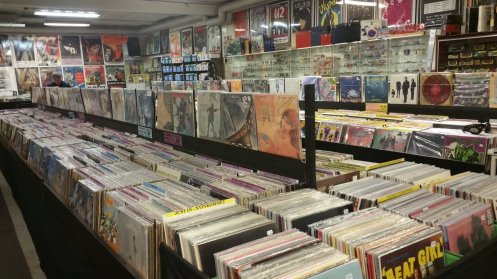
 So, you’ve been in a record shop recently and seen rows upon rows of pristine shrink wrapped vinyl records (please don’t ever call them “vinyls” – call them records or LPs or something else). You now have the irresistible urge to buy some of your favourite albums on vinyl but don’t know where to start and whether or not to trust what you see in the shop. You may be a music lover who never owned records, or you were a record owner who followed the CD or download path. Now you want physical product. Here is a bit of a primer.
Vinyl records are analogue products that are played back by record players (turntable, cartridge, tonearm, phono amplifier). Music has been mechanically transcribed into a groove by a cutting lathe, traced as it rotates on a turntable by a needle that vibrates, generating an electrical signal that is amplified and played through loudspeakers. Ideally, the music or sound that is being reproduced has come from a microphone, recorded into a similar analogue source – such as Ampex tape – and from that the vinyl laquers were created. This is and AAA (all analogue) stream – and, up until the mid 1980s, all recordings were created and reproduced in this way. Open reel and cassette tapes are also analogue playback devices. Analogue recording required a recording studio, a large mixing desk and miles of tape, that tends to degenerate over time. Digital recording started slowly in the early 1980s. The arrival of the compact disc heralded the era of digital recording and the digital workstation. Nowadays you can record an album on your laptop – and it will sound very good. Nevertheless, many audiophiles believe that vinyl records – for reasons that are never explained scientifically – sound better, provide greater width and soundstage and are just more emotionally involving than digital products. In addition, again for reasons that nobody can really explain, vinyl records, dead in the water in 1995, are back and they are selling well. I love vinyl: it is anything but convenient.
Firstly, new records: virtually all new releases by well-known acts are now released on vinyl. These are almost universally digitally recorded and mixed – usually using Pro Tools on a PC. On a decent quality turntable (not the Crosley record playing toys that they sell in record shops – Project and Rega make lots of great turntables at reasonable prices) with a reasonable quality amplifier and speakers, that new release record will sound better than the CD and substantially better than most streaming services. Be aware, that there are usually 2 versions of new vinyl records. The standard mass market version is typically sold on Amazon and larger retailers; it is usually pressed on black vinyl with few additions and an mp3 download card. The retail price is between €20-€25 ($20-$25 or £18-£22). If you think this expensive, you are wrong – inflation adjusted, this is roughly the price an album cost 40 years ago. The second version, the “limited” or “deluxe” edition, may cost twice the price and is typically sold only in record shops. This product may feature the same record pressed onto coloured vinyl, a gatefold sleeve, perhaps with a limited edition 7” record, a few postcards or even a t-shirt. Unless you are a major fan or believe that somehow, in the future, this record will become really valuable (in which case you can’t even open the plastic), stick with the standard version: it will sound the same (sometimes better – if the deluxe version is a picture disc).
Incidentally, the “standard” version of an album is generally better packaged, pressed and presented than similar products 40 years ago. Most vinyl records these days are pressed on 180g “virgin” (non recycled) vinyl. There is nothing like the sturdy feel of a 180g or 200g record as you place it on your turntable, and you might convince yourself that it sounds better than the 120g or 140g version you owned in the 1980s. It doesn’t: the advantage of weight is not in the sound it is in the flatness of the album – heavier records are less likely to warp. Nevertheless – I am astonished how many new albums seem to be slightly warped – 180g or not.
 I find it interesting that, when engaged in a discussion with friends and acquaintances about records, somebody invariably says “wow, we have loads of original Springsteen and Beatles stuff in our attic at home – must be worth a fortune.” It is not. There are millions and millions of those records out there, very few of which, unplayed and still in the shrink wrap, are valuable. Strangely, the majority of unexpectedly valuable records are those that were issued while you were busy buying CDs. This phase of the “vinyl revolution” only started in about 2011 – so a lot of albums were released on CD only, or seriously limited LP, between 1994 and that time. Some of those records are remarkably expensive to buy now. For example – a mint first pressing of “The Bends” by Radiohead would likely set you back between £200 and £300. Indeed, during that time window, the only artists that were routinely releasing vinyl records were involved in dance music or “indie” rock. They kept the business alive.
Prior to 1994, most recordings were released on vinyl, but records had been eclipsed by cassettes and CDs from the late 1980s onwards, so that the quality of a lot of early 1990s records was poor, and the albums were pressed on cheap and recycled (i.e. non “virgin”) 90g or 120g plastic. By now, the majority of great albums from the end of the original vinyl era (about 1988) and 2011 have been re-released – and these reissues are good value and are likely to sound better than your original CDs or records. There is one primary reason for this: between 1994 and 2012 heavy handed dynamic range compression was liberally applied to virtually all pop and rock recordings, released principally on compact disc. This “loudness war” was a way of making one’s albums stand out on radio and be heard over the din of traffic. It is horribly fatiguing and oppressive to listen to. Over compressed (“loud”) recordings cause the needle to jump out of the vinyl groove, so, mastered for vinyl, many of these recordings sound better.
There is an argument that 1985 to 1995 was the golden age of the compact disc – and that the best way to listen to recordings from that time point is in the original format: so don’t chuck your older CDs out – they may become valuable.
Prior to about 1985, the majority of recordings were made and mixed on analogue tape. There was a 30 year period where sound recording, studio artistry and recorded product all aligned to provide magical sounding records. Hence, it is always worth looking for original analogue pressings of your favourite albums: they may be quite expensive, but are likely worth it. Unfortunately, if you want original pressings of the Beatles, Rolling Stones, Led Zeppelin, the Who etc. you will need to empty your trust fund. Hence, for popular albums, pressed in large quantity (usually horrible sounding), new vinyl re-issues is where you will find yourself.
Despite all of the hype about the resurgence of vinyl, the vast majority of newly pressed records are – old records. In 2018 none of the top 10 selling vinyl albums (totalling 700,000 sales) in the U.S. featured new music. In the UK, only one new record was in the top 10 – Artic Monkeys’ “Tranquility Base Hotel & Casino.” The remainder of the top 10 were – well – the usual: Dark Side of the Moon, Queen’s Greatest Hits, Fleetwood Mac’s Rumours, The Beatles Abbey Road or White Album. Both lists feature Amy Winehouse’s “Back to Black”, a fine album to be sure – but probably the worst sounding new LP that I have ever bought. The top 10 only represent 1 in 12 of the new records sold – and of course nobody knows how many second hand records change hands. Regardless, if you feel a compelling urge to buy a copy of “Legend” by Bob Marley, “Purple Rain,” “Definitely Maybe,” “Thriller,” “Dookie,” “Nevermind,” etc. under no circumstances pay more than €£$20 for them. Many of those recordings were available last autumn at French FNAC stores on a 2 for €20 deal.
It is preferable if you live within a reasonable commute of a large city with a good second hand vinyl scene (Berlin, Utrect, Manchester, LA, San Francisco, Tokyo, etc) – go and search out all analogue versions of your favorite classic records. They may be less expensive than the new digitally sourced ones. Be careful paying real money for second hand popular music from the 70s and 80s – by far the best version is likely to be a first pressing from the country of origin of the band. Next would be the Japanese, German, UK and Dutch versions. US versions can be very patchy from that period, due to the tendency to recycle vinyl that wasn’t purchased, so that the record may contain traces of the original label – increasing surface noise. You can buy four different copies of the same record in the same shop from the same country of origin and they may all sound different. Records from Spain, Italy, Greece etc. (unless the album was recorded there) are likely lower quality than the original, as multi-generation copies of the master tape may have been used for the acetates/stampers. If you are going to pay more than €£$30 for a second hand album – ask the sales clerk if you can listen to it – if you don’t they will think you a sucker. It is amazing how noisy albums, that don’t appear overtly scratched, can sound (often this can be remedied by a good cleaning, but that is a topic for a future post).
Very high quality releases from the 1970s and early 1980s, including Mobile Fidelity Sound Lab reissues, may be very expensive indeed: due to the propensity of boomer generation professionals to inflate the market. It would be worthwhile to visit the website of Better Records to get an idea of this lunacy.
In terms of the re-issues market, most of what you will find in shops is mass market product produced by the original record company, from the original master tapes, mastered in the digital realm and pressed onto nice 180g virgin vinyl. These records will sound much better than your original 1980s pressing of, for example, Led Zeppelin IV. On occasion they might sound better than the original pressing, but that is rare. Also, you may encounter a “super deluxe edition” of said album, containing various digital versions of the recording, some souvenirs, replica concert tickets, a nice book etc. and a copy of the record. Despite the fact that the set might set you back €£$150, the record is likely indistinguishable from the €£$15 version of the album on the shelf. The largest distributor of new classic vinyl, in Europe, is Music on Vinyl ; they use high resolution digital files to press beautifully flat “silent” (no background noise of hiss) records. With regard to sound, they are almost always good, but rarely stellar.
For Jazz aficionados, the marketplace is a minefield. Original pressings of Blue Note, Columbia, Riverside, Prestige etc. records from the 1950s and 1960s are unbelievably expensive and often in poor condition. Reissues in the 1970s and 1980s often sound flat and thin (with the exception of “Original Jazz Classics” – which seem to be uniformly good). Consequently, a jazz vinyl re-issue industry has sprung up (in addition to one for classical music and classic rock). There are three types of reissue labels: 1. Bottom feeder labels that utilise European copyright law to release royalty free facsimiles of classic albums (prior to 1962), usually derived from CD or other digital sources (e.g. doxy, jazz track, jazz wax etc). 2. Major label output, from the original master tapes, also digitally sourced, and probably no better than the best of the bottom feeders. Sometimes these are remastered or even remixed and provide a significant step up in sound (see, for example, Craft Recording products). 3. Audiophile vinyl labels, such as Music Matters and Analogue Productions, who specialise in all analogue (AAA) high quality reissues. Often these are released as 2 x 45rpm albums, in the belief that this results in better sound quality than 331/3rd speed records. They sound stunning. They can be very expensive, particularly as most of these products originate in the USA and incur import duties elsewhere.
There are lots of audiophile vinyl labels that specialise in pre digital AAA reissues of classic rock/soul etc. (listed below), the most famous of which is Mobile Fidelity Sound Lab, who use the original master tapes for the majority of their products. Analogue Productions produce stunning all analogue vinyl reissues and press the records themselves at their QRP plant. Each year another boutique audiophile vinyl label appears – Wallinbink records, for example, who released a wonderful Duke Pearson album this year. I have listed the best of the best vinyl reissue labels below.
Be aware that audiophile vinyl records are expensive – ranging from £25 for Pure Pleasure reissues, to $125 for Ultradisc 1-Step pressings from MOFI. The Blue Note Tone Poet series that was widely distributed this year – retails in the range of €£$35. Double 45rpm releases by Music Matters or AP cost twice that. Is one AAA record worth twice the price of 2 digitally sourced records? Absolutely. No Question. Thankfully, Blue Note released a series of wonderful AAA recordings this year (Blue Note 80th) at the standard price range without deluxe packaging – and hopefully this will be the harbinger of the future.
The most frustrating thing about “getting into vinyl” is to discover that the majority of retailers that sell records essentially have the same stock of newly pressed digitally sourced vinyl. It can be quite difficult to locate audiophile pressings, offline. Second hand record shops are a great place to crate dig, but be aware – the best stuff has been picked off long before your arrival. You might hear stories of collectors finding rare gold at your local Oxfam shop, but, believe me what you will usually find is scratched up John Denver records – anything valuable has been identified and listed on ebay or discogs for a hefty price. Nevertheless, I rarely visit a record shop that sells second hand discs without emerging with something – partially to support the business, partially because buying records is an addiction. You know you have a problem when you have 4 or 5 copies of the same album.
The majority of experienced record buyers these days source their used vinyl online at Discogs or a similar marketplace. Individual collectors and record shops typically list their products for sale on the site – usually with a non-negotiable price. The major advantage of discogs, when used correctly, is that the precise providence of the record is listed (i.e. first pressing , Columbia mono 1962 –with the following matrix numbers – see pictures). Records and their sleeves are graded as: Mint (never played, often shrink-wrapped, perfect condition), Near Mint – maybe played once, perfect condition, Very Good plus – a bit of wear and tear on the sleeve, maybe a mark on the record that cannot be heard, Very Good and so on. My own experience is that older records are usually overgraded – virtually nothing that is 50 years old is likely to be near mint – and very good plus is usually good enough. Complain loudly if you buy a NM record and get one that is scratched with a damaged or torn cover; it is unacceptable and unusual. Be aware, if something looks too good to be true – it is.
Everybody uses discogs to assess the providence of expensive records that they see in stores or in other online marketplaces; you should too. For example, I was moderately badly burned (I didn’t actually pay too much for it, but thought I was doing well) last year when I came across a “first pressing” copy of “Interplay” by Bill Evans, from a Spanish record retailer (from whom I had bought records before). It was listed as NM- and pictures were provided. Then the album arrived, the sleeve was split – record falling out (this is “good” at best not NM-), the record was VG+ but the album was not a first pressing – it came out 3 or 4 years later. If I had correlated the online pictures with the discogs version I would have spotted that error immediately. Needless to say, the retailer did not respond to my complaints. If this had happened on ebay or discogs, I would have sent a negative assessment and damaged their online reputation.
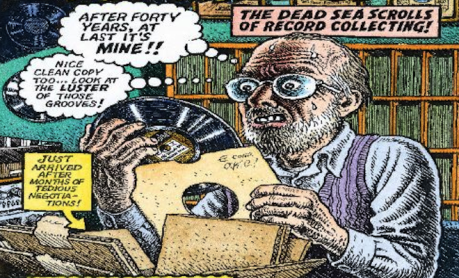 Finally, a word on collecting. There are few crazier people in the world than vinyl record collectors. It is a wonderfully emotive and rewarding past-time. However, real record collecting is an expensive business. Just because you buy vinyl records, listen to and display them (as a “collection”) doesn’t make you a collector. It makes you an enthusiast. Record collectors frequently don’t listen to their records – as playing devalues them. It is the chase, the exploration, the desire and the gratification that drives collectors on. If you are of that nature, limit the scope of your collecting: for example you might wish to collect every record ever released by The Teardrop Explodes in every region in the world. This is achievable. If you decide that you wish to collect first pressing Blue Note jazz albums, make sure that you are in a position to sell a yacht or penthouse or two. My view on this subject is very simple – when you buy a record, take it home – open the shrink-wrap – listen to it – enjoy it and then you won’t have to worry that you have devalued it as it is no longer in mint condition! Yes records are damaged every time they are listened to, but that is why they were made.
 Once you start to accumulate a collection, the next issue you will encounter is storage. You cannot store records in the attic like you do CDs and hope that they will survive. Vinyl records should be stored upright, in boxes or shelves with the spine pointing outwards and a temperature controlled location. Most collectors use plastic dust covers – with the opening on the top to protect the album covers, but this is not essential. So far as I can make out, most enthusiasts use Ikea shelving units, nowadays Kallax, to store their records, regardless of their income. If you have lots of money you can pay a cabinet maker thousands of euro/pounds/dollars to make the same product.
Here are a couple of excellent articles about record store etiquette: Click Here and Here and Here. One of the best bits of the Gilles Peterson article is the story of the out of print album that he pays a fortune for on ebay, only for it to be re-issued a month later. If there is an album you really want, and it is really expensive, there is a likelihood – unless it is really esoteric – that the record will be re-issued at some stage: keep your wallet in your pocket. A case in point for me is A Solitary Man by Jonathan Jeremiah – a record that I really like, for some reason. I would like to own it on vinyl – but currently, despite it being released in 2011 (I couldn’t get a copy even then), it is retailing for more than £300 . Sooner, or later, it will be re-released and the price of the original (you can pick up the CD for less than a fiver!) will plummet.
Below is an updated list of vinyl reissue labels and the quality of their products.
Vinyl Reissue Labels to TRUST (original analogue masters and analogue processes)
Analogue productions
Mobile Fidelity Sound Lab – Original Master Recordings or Ultradisc 1-step (phenomenally good)
Music Matters (Jazz)
Speakers Corner
Reference Recordings
Pure Pleasure
Audio Fidelity
IMPEX
ORG
Mosaic
Analog Spark
MPs Records
Light in the Attic
Gearbox Records*
Intervention Records
ThirdMan Records
Slow Down Sounds
Blue Note 80 and Tone Poet
Stockfisch Records
Wallinbink
Classic Records (nothing much since 2011)
Vinyl Reissue Labels that are trustworthy (but not always sourced from original analogue masters – digitally sourced are high resolution from best available masters)
Mobile Fidelity Silver Label
Elemental Music
Resonance Records
Superior Viaduct (some are AAA)
ECM (reissues are AAA – new releases digitally recorded)
Craft Recordings (check the label – some are AAA – all are good)
Sundazed (the majority seem to be analogue only and are nicely priced)
Sony Legacy
Rhino
De Agostini (magazine plus LP) – Jazz at 33 and the Beatles
Vinyl Me Please (record club)
Heavenly Sweetness (Blue Note)
Jazzline (Germany)
High Moon Records
Jazzman
Ape House
Friday Music
Vinyl Reissue labels that I trust but are high res digital sourced (but from original masters at least)
Music on Vinyl
Vinyl Reissue labels are digitally* sourced (but from original masters at least) *and this may be 16 bit.
Back to Black
Back on Black
Hit and Miss – providence unknown
Jazz Workshop / Fresher Sounds – Jazz Reissue Label – may or may not be analogue sourced
4 Men with Beards
Simply Vinyl
Caution – Very Likely Sourced from CD* (but may sound very good, nonetheless)
Vinyl Lovers
Jazz Wax Records
Jazz Tracks Records
Jazz Beat
52nd Street Records
Doxy Music
DOL
Studio Media
ZYX
Tapestry
Timeless
*I presume that these labels will cut lacquers and press records from the best source that they can get – so it is not beyond the realms of possibility that some are derived from HiRes audio, SACD or direct from original vinyl copies.
Posted in Albums of the Year, Hi-Fi, records shops, Retromania, Vinyl

 (I wrote this in September but forgot to post) Over the past 20 years whenever I have been bored or tired or sad or just looking for something pleasant to listen to, I have turned to the Pernice Brothers. The band was formed by Joe Pernice in 1996 – and has included a cast of characters including his brother, Bob. Joe Pernice has released some excellent solo albums and a couple of country tinged records as the Scud Mountain Boys, and a New Mendicants record with Norman Blake (Teenage Fanclub). But the Pernice Brothers records, universally excellent, stand alone with lush power pop orchestrations, hushed harmonies and a deeply melodic groove that recalls Revolver era Beatles, Gene Clark era Byrds, Smile era Beach Boys, Todd Rundgren, early Big Star, Teenage Fanclub etc. Any song on any of their albums could have been a hit in another era. However, the early 2000s was all about hip hop, smooth R&B, Christian rock and the last remnants of dance music. They could hardly get a record deal. Fortunately, for me, all of the albums were released on CD and could easily be picked up at any half decent record store. Yours, Mine and Ours and the World Won’t End have both been reissued on vinyl. The live album, Nobody’s Watching sounded a bit like a bootleg. In any case, Goodbye Killer was released 9 years ago and since then – nothing much. I had given up.
 I found myself sitting comfortably on my couch enjoying a beautiful Impulse records gatefold of a widely acclaimed recording The Comet Is Coming’s ”
 I also have a bunch of records from the Spanish
  Hold open your wallet – Blue Note are continuing the Tone Poet series (surprise surprise) and the BN 80 series keeps going. If you buy them all there won’t be much change out of €1200 – roughly €100 per month for 2020. A great collection you will have, though.
 I am currently looking at a moderately large pile of vinyl that represents the audiophile output of Blue Note in 2019 – a combination of the Tone Poet and Blue Note 80 series. Tone Poet is a Don Was / Joe Harley project that released a number of BN recordings, identical to the Music Matters 33rpm series, under the Universal Music moniker for roughly the same price ($35.99) – but actually distributed in Europe (for about €40). These are beautifully presented glossy hard cardboard products with glorious photographs of the artists. The vinyl was mastered – all analogue – where possible – from the original master tapes – by Kevin Gray and pressed at RTI. Perfect provenance. And yes, the records all sound great. In total, 16 Tone Poet albums were released. Only one, by Cassandra Wilson, was a double. The records were all terrific, but I have to confess – if I was given $525 (plus tax) / €600 and told that I could buy any 15 of the Music Matters 33rpm or any of the Tone Poets, I’m not sure that any of these would have made the cut (possibly “Contours” by Sam Rivers and “Cornbread” by Lee Morgan). Certainly, none of the albums could be considered the best that that particular artist produced for Blue Note records. For Music Matters collectors, buying these records was a no brainer: they already have the popular stuff. For audiophiles, who cannot afford the ludicrous prices that one would have to pay in Europe for MM 33rpm (up to $100), one would feel a bit short changed. Here is a thought: send the metal stampers for the MM 33rpm series to Optimal or Pallas, press off a couple of thousand copies of those albums, and sell them for €40 in Europe. It doesn’t matter whether they are under the Universal or MM brand – they are the best pressings of the best recordings of the best jazz reissue series ever.
 Weirdly and simultaneously, Blue Note released its 80th anniversary series in May. Aside from being housed in standard record sleeves with sand-paper-ish inner sleeves, these records were remastered AAA (where possible) by Kevin Gray and pressed at Optimal (which means that you likely have to clean them before playing – if you do so they are really good). So far 22 albums have been released – with 21 more in the new year. The albums have released in groups of 3 – under a theme – debuts, Reid Miles covers, live, grooves, great drummers (!) etc. Honestly, this method of selection is bizarre. Much as I love the cover art of BN – I buy records for the music not the cover. I was disappointed by the sound quality of the first album – Takin’ Off by Herbie Hancock – but the rest have been very good to excellent. “Hand Jive” is probably my least favorite John Scofield album – and it was digitally sourced – and I have a bit of buyers’ remorse here – the cover isn’t even cool. I didn’t buy the Robert Glasper album. The second Herbie Hancock – well it’s good but (aside from the Prisoner) probably his weakest BN album. The Art Blakey live albums were interesting – but – honestly they sat on a shelf for decades because the sound is only ok (certainly not in the top 20 best BN live albums – and 2 LPs to boot). “Hub Tones” and “In and Out” are true BN classics and should be in any record collection. I already had them – so cannot comment about the sound quality. And the rest – well – they are all good. I wouldn’t have rushed out to buy the Bobby Humphries or Reuben Wilson LPs – but they sat in my listening space on heavy rotation for weeks – they are terrific. Special mention should go to the Jutta Hipp with Zoot Simms record – it is a joyous recording from 1956 that really swings. Hipp, who was German, disappeared off the planet subsequently. She cut off all ties from the music industry, worked in a clothing factors and eventually died in 2003. An original pressing would set you back more than €200 in reasonable condition.
 In 2009, Columbia records released a 50th anniversary edition of “Kind of Blue” by Miles Davis. This included a copy of the record pressed on blue vinyl. I was intrigued as I had never heard the album on vinyl – this was still peak CD era – so I dug my Bang & Olufsen 4600 turntable out of storage and started playing my records again. I haven’t stopped since. That particular record wasn’t a
  Something obviously sparked the vinyl revival – I don’t know what – but certainly in my case it was the sight of favorite records that I had only ever owned on CD/SACD sitting on the shelves looking at me that stirred my juices. I came home from summer vacation in 2009 with a stack of new records. There is, was, and always has been something more satisfying about the look and feel or a record versus a CD. They probably sound better too. Ultimately, iTunes killed the CD, Spotify killed iTunes and music enthusiasts embraced vinyl rather than SACD or DVD-Audio for their physical product of choice. I presume that increasing vinyl sales spurred increasing sales, leading to more media coverage, increasing supply, leading to record store day, leading to increasing supply, media coverage and sales. And now, vinyl records are about to eclipse CDs in sales –
  3. There seems to be a shortage of pressing capacity in the vinyl industry (a dubious excuse reason for pumping up prices) – this has resulted in a significant drop off in the quality of pressings over time: lots of warped, of center and in-filled pressings. There is nothing more annoying than opening an album, that you paid €30 for, six months after purchase, and finding it badly warped: there is no comeback at that stage. I make a point now of listening to all new records within a day or two and bringing/sending back warped records immediately.
 6. Why cannot record shops clean expensive second hand records? Several years ago I was walking through Soho in London, perusing the record shops, and was impressed that the guy behind the counter of one of them (
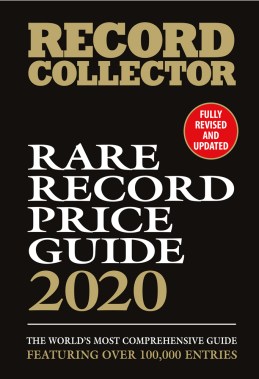 10. How much should I pay for second hand records? I have no idea, but the prices are going up at a spectacular rate. Record Collector magazine publishes it’s “
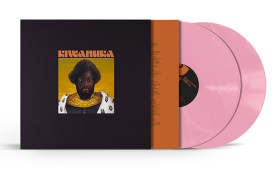 Ok, I’m going to get this out of my system now (slightly updated), as it will bother me for the next few weeks otherwise. If I come across anything that I miss – it will be added later. Please note that this is purely a personal list, not critically informed, that ignores the mass market and the esoteric and will appeal to nobody except myself. A couple of points – there is no specific jazz section, as I haven’t gotten around to listening to a lot of new jazz this year because of the sheer volume of great reissues (next year I plan to really explore the London Jazz Scene). It was a mediocre year, at best, but for some stellar recordings by legacy artists (Springsteen, Nick Cave, Jeff Lynne, David Crosby, Tool), the re-emergence of Irish punk (Fontaines DC and the Murder Capital), great art-rock-folk (Weyes Blood, Angel Olson, Richard Dawson) and a true retromania masterpiece of soul-funk by Michael Kiwanuka.
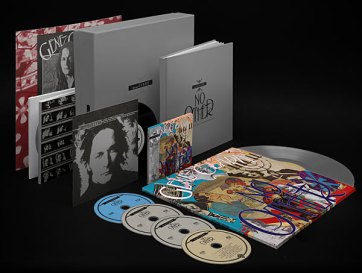 Rarely, in my decades of music obsession have I pined away the days waiting for a product to be released. And it was. Last Friday. The “
 Over the past 20 years or so home television technology has moved from standard NTSC/PAL with 480 lines of interlaced 4:3 picture to 8K (4320 vertical lines) in 16:9 format. From a 28” box that weighed as much as you did, to a hang on the wall OLED screen that wouldn’t be out of place in a boutique cinema. These televisions can access all kinds of content – from Satellite TV, Netflix, Hulu, Amazon Prime etc. that is broadcast or streamed to you sitting room. Looks great? Yes. Sounds great? Rarely. In addition, I have the feeling that it was easier to find movies that I wanted to watch by crossing the road to the local VHS shop or Blockbuster (or even mail order Netflix) than it is today. For example – my daughter wanted to watch Harry Potter movies – no problem – must be in one of our many streaming or satellite accounts: no dice. I bought the DVDs and Blu-Rays – but they are in a storage locker somewhere. I could pay to watch on Sky TV – but I have already bought them. Arrragh. Illegal download anyone? Luckily, one of my friends had the box set sitting in his car to bail me out. Why isn’t the whole world library of video available now on demand on all streaming services?
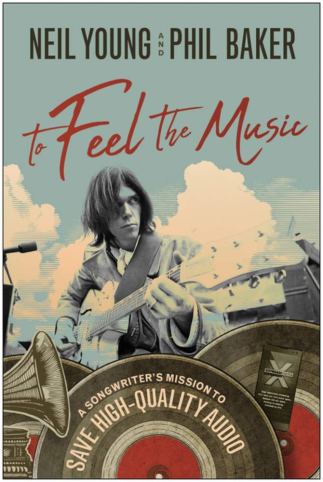 Neil’s passion for high resolution music, the development and eventual failure of the Pono music player and music store and the establishment of the NYA website. Although it is 242 pages long, much of the content could be covered in a magazine article and the main gist can be read
  Perhaps the story will have a happy ending: I don’t know if Jeff Bezos is an audiophile – but there are few people in the world powerful enough to frighten the music industry into the high res future. In mid September,
 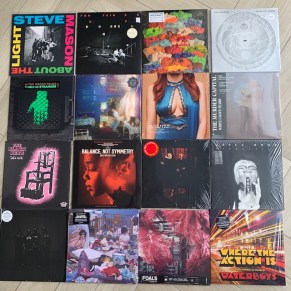 Another year of decay in the world of rock and pop (and not a lot of good new jazz either). I thought I would put up a post to remind myself of what new music I have been listening to so far this year. What is striking is that most of my listening has been to old favorites rather than new artists – for example Lucinda Williams & Charles Lloyd, Weezer, The Waterboys. It is not for want of looking for new sounds – I am just tired of urban music and smooth R&B. I seem to be the only person who liked “Lets Rock” by the Black Keys. The best thing to happen so far this year is the emergence of a genuine punk movement in Ireland – characterized by Fontaines DC and the Murder Capital.
 audioexchange