Is there a definitive version of a recording?

•June 13, 2013 • Leave a Comment

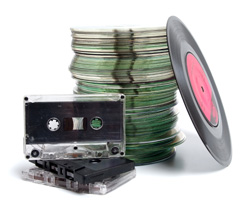
tape-lp-cdAt some stage, in the late 1980s a friend of mine announced that he had sold all his vinyl and cassettes and was replacing his “record” collection with these new – state of the art – CDs. At the time I was surprised because he would have had to pay roughly 5 times the trade in value of an LP for a CD. Embedded in each one of those records were memories of when the LP/tape was recorded, where it was purchased, what you were doing at the time etc. Fast forward 25 years and those LPs are worth significantly more now than they were then. Was he right?

Browsing through my record collection from my original LP buying years (1977 to 1994) and my tape buying years (1979 to 1991) and I realise that virtually every LP that I have ever treasured has a matching CD in my collection. So, presumably, at some stage, I decided that the definitive version of the recording was 16 bit digital. Of course, over that time, with remasters and deluxe editions, I have purchased several different CD versions. Indeed, at one stage, I decided that SACD/DVDA was the definitive version, until I realised that SACD, in particular, is a locked in DRM based con-job for which 200 years down the road you won’t be able to find a player. I also think that they sound poor (just an opinion). I have never had much time for purchased MP3s, and have continued to buy CDs at a steady rate (except for 2011 which was an out of control year) More recently, we have had high resolution downloads – surely now – THE definitive version: if one believes in digital then a 24 bit 192 kHz lossless file must be the way to go? Maybe.

Here is the thing: my generation like to own our music. 24 bit flac files sound great – and I have accumulated a fair amount of my favourite recordings in that format – but they don’t feel real, which brings me back to ownership. At the end of the day, one can’t help feeling that the definitive version of a recording is on vinyl. Don’t get me wrong – there is no record that I treasure that I don’t want a flawless playback version – i.e. digital – I just feel that if I don’t have it on vinyl, well I don’t really have it. So here is the rub: Camera Obscura bring out a new album, and in the LP bag you get the CD. Price difference £6 or £7 (and it is still only £18). This is a no brainer. The new Queens of the Stone Age album is £35 (deluxe) £21 (standard) with an MP3 download code. Surely, if you are coughing up £35 for the deluxe version you should get the lossless CD version (or better still a 24 bit download). In fact, this is the one situation where I wonder if “illegal” downloading should be acceptable – where you have paid a premium price for a recorded product and they furnish you with a second rate audio download.

Anyway, if vinyl is the definitive version – which vinyl version is definitive. Collectors will say that the first issue in the country of origin is definitive. Clearly they haven’t purchased too many 1980s pop albums, which were made of vinyl the with of flexidiscs, much of which was recycled. Yes, the 1960s Blue Note and Impulse records from the US were probably great – but how can you be sure? I have accumulated a number of “Music on Vinyl” recordings – so of which are now replacing original LPs in my collections: they are 180g virgin vinyl, well pressed with high quality artwork. In many cases the original LPs of mine sound shocking. I do accept that the majority of these arise from digital remasters (24/192 or above), but they sound great and are reasonably priced.
On the other hand you have Analogue Productions: these are 45rpm analogue reissues that likely sound superior even to the first generation recordings. Given a choice – I would take the analogue production version every day: the only thing is – standard LP versions of Blue Note recordings can be bought of $10; the reissued 180g LP (with free CD) are approx. $20, the 45rpm analogue productions version is $50 – and almost impossible to obtain in Western Europe. If I order from the US on Amazon, the taxman will charge me an additional 50 euro per album. This is staggeringly expensive. Another question also arises: one of the great pleasures of the LP is that it is a Long Player. There are two sides of roughly 15 to 20 minutes each. By moving to 45rpm, you are, with Jazz, looking at 1 track per side,  and getting up and flipping/changing every 7 minutes. This is analogous to playing 78rpm discs. I like to hear LPs as they were originally conceived – Side 1 and Side 2: so I am not so sure about this whole double album thing for higher quality (and there is no doubt that 45rpm sounds better to audiophile – although likely not mine – ears).

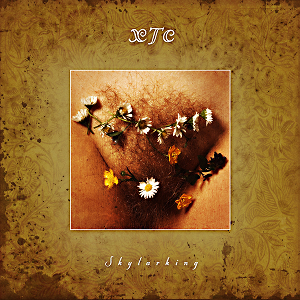
It is interesting that Vinyl reissues are a major source of profit for record companies and record skylarkingshops. You NEVER get a discount, rarely encounter a sale, and even Amazon are using the RRP. However, the music industry will need to do better. “Limited” reissues are a real pain – yes they yield tremendous long term collectability, but I always seem to miss the boat. For example, XTC released an expensive deluxe vinyl version of Skylarking a year or two ago. I want it; I can’t get it – APE records tell me it is out of stock. So here is a suggestion Andy Partridge – take my £50 now, and take orders from all of the other frustrated potential purchasers, and when you have sufficient pre-orders, print off another couple of hundred copies. Or at the very least – take my email address and inform me if you do another run.

 

Wow – it’s been 2 months

•May 30, 2013 • Leave a Comment

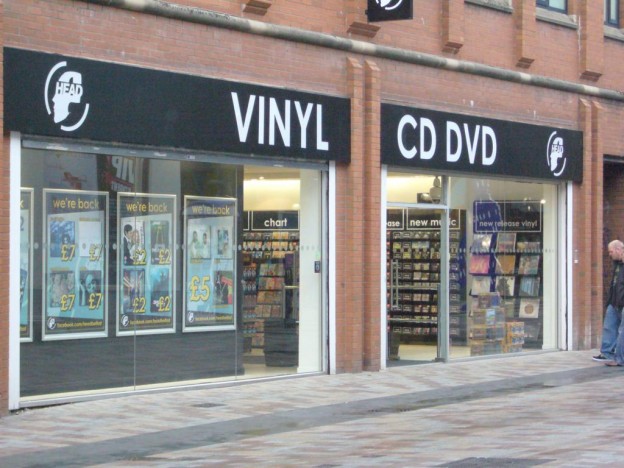
I just realized that I have written nothing in the past 2 months. During that time I managed to buy a stack of CDs at FNAC in Valencia and Alicante (Spain), went to record store day in Belfast (at the wonderful Head Music), and have accumulated piles of excellent vinyl from various sources.
buddy guy bookTo keep things brief: “When I left Home” by Buddy Guy – I listened to this on audiobook and it is, by far, the best book on the blues that I have ever encountered. It gives you a really good picture of how a young bluesman made his way from share cropping in the deep south to arriving in Chicago in the 1950s during the hayday of the Chicago Blues. His descriptions of Big Mama, Muddy Waters, John Lee Hooker, Guitar Slim, BB King etc. is fantastic. He provides us with an accurate insight into the workings of Chess records and is generous with his praise and honest in his criticisms. My only complaint was that the book ended too soon. Once he had his 1990s renaissance he zoomed to the end – he must have some great anecdotes up his sleeve that we have not heard (yet). I have also been really enjoying a book that came out a couple of years ago: “record store days.” It was good to find out the background story of several great stores that I have been to over the years: in particular the Jazz Record Mart in Chicago (they could spend a few dollars updating the website – very 1997!).

I was in Belfast in April with my family, and after a nostalgic trip to HMV (great to see it still open there – still a crap shop). But low and behold –head Head records – a real (and really good record shop) had re-opened (read here). So in I went with my two boys on record store Saturday at 9am. The place was full of vinyl heads – looking over each others’ shoulders to see what booty they had picked up. I bought loads – in particular the Beta Band’s 3 EPs, a Nick Drake compilation (with a 24 bit flac download code) and, at last, I am Kloot’s Natural History. Record store day is a great idea – a way of promoting both record shops and vinyl, but I can’t help feeling that a lot of the product is over priced and of marginal collectability. In fact, venturing into Tower Records in Dublin several weeks later (great shop but I am beginning to find the price creep for vinyl a little annoying), much of the “exclusive record store day” material still available. Still overpriced.

Kudos to the National – new vinyl album at a reasonable price with both mp3 and flac downloads. Double kudos to Vampire Weekend – vinyl plus CD in one package. Speaking of which – Ron Sexsmiths’s most recent album, which you can get on vinyl from his own website, also includes the CD gratis.

FNAC is a pan European store that appears to be a combination of Waterstones, HMV and Best Buy – under 1 roof. I have never been in one (and I have been in many, from Paris to Nice to Canne to Barcelona to Verona to Malaga, Valencia, Alicante, Brussels) that hasn’t been packed with people. They are all great. Lots of CDs and vinyl. Good selection of books. Usually a good cafe. I am begging here – please please please FNAC owners – please come to Ireland – I promise to keep at least 1 store open on my own. Anyhow, this is always a good place to pick up 1970s Italian or German Prog or discounted ECM recordings.

Current Listening

•March 14, 2013 • Leave a Comment

JOHN_GRANTHave been listening to a lot of new music over the past couple of weeks. Palma Violets’ first album is pretty good – certainly it has lived up to the hype; Simon Reynolds would draw a retromanic line from Nuggets to the Clash to the Libertines to the Violets. I am not complaining – after reading the book, I realised that every record that I bought, released since 1976, was derivative. Music 7/10, sound 6/10, loudness 2/5.
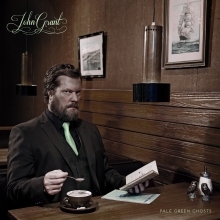
Johnny Marr is a hero of mine – one of the few guitar gods to emerge with an original technique from the 1980s. He added depth and dimension to Modest Mouse and the Cribs – but a solo album? Uggggh. So I didn’t buy it – I downloaded the album from Deezer – and you know what – it is good; much better than expected – and his voice – well it is very indie! Music 7/10 (cannot comment on sound or loudness due to lossy download). Speaking of downloads, I couldn’t get my hands on the new John Grant album – Pale Green Ghosts, so I downloaded it in the same way. The album does not start well – from the first swirl of synth you think – holy crap he’s gone all Yeah Yeah Yeahs, but as the album progresses it really opens up with familiar lush arrangements and wonderful backing vocals from Sinead O’Connor. It is a real grower – not as immediate as Queen of Denmark, but better than most of his material with the Czars. Certainly an early contender for album of the year: music 8/10 (no comment on sound or loudness).
David Bowie has reappeared just when I was beginning to miss him, and the Next Day is as good an album as you will hear this year. The deluxe version has 3 additional songs. What I find remarkable is how modern this, and indeed Johnny Marr’s album, sounds compared with a lot of the other new releases (Palma Violets, Stornoway (music 6/10) etc. If the Next Day was released by some hot heavily hyped young band – all of the critics would be raving. They are raving anyway. Music 7/10, sound 8/10, loudness 2/5.
I have gotten hold of My Bloody Valentine’s MBV album. I can’t review it for the moment because, frankly, I’m not in the mood. About 15 years hendrix phaago I was in the mood for Jimi Hendrix, and for a 3 month period listened to nobody else – particularly his live recordings. I have just about everything that has been released plus a whole slew of bootlegs. However I was quite disappointed by Valleys of Neptune from a couple of years ago. When I saw the special issue of Classic Rock Magazine with People, hell and angels – I could not resist the package, but had low expectations for  the music. However, the packaging was fantastic (9/10), the music uplifting (7/10) and the sound quality stunning (8/10). Eddie Kramer – you are an engineering God! In fact, the fan pack packaging is so much better than the record shop CD that costs the same price: go figure!
Alone with MBV, I have also gotten hold of Atoms for Peace – Amok. Again I just can’t face listening to Thom Yorke twiddling his synthesizer and wailing. When will he get back to making proper rock records and stop fu**ing around?
Finally, for 2 euro, I purchased “The Dandy Warhols are Sound” – which is essentially the original version of “Welcome to the Monkeyhouse”. I found the album, as released, to be very — plastic (after “tales”). I listened to it twice and tossed it. This version, is so much better that it seems like an entirely different album (music 7/10, sound 7/10, loudness 2/6). You have to wonder how many perfectly good albums are messed up by overly “commercial” mixing. It is probably why artists work appears to deteriorate when they sign for a major label…..

This week’s listening

•February 19, 2013 • Leave a Comment

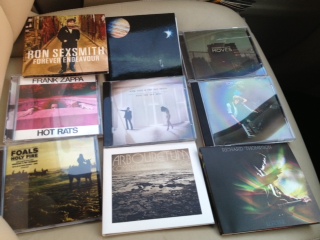
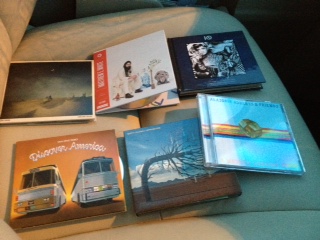
18.2.13Depending on where I am, or what I am doing, I will listen to different music. For example, in the car I listen to rock music. In my office I listen to ambient type music – such as Brian Eno. At home, I often listen to Jazz. From week to week and month to month I often forget what I am listening to, what I enjoyed (particularly if CD are decluttered and dumped in a box in the attic). So I thought that I would take a photo of whatever CDs are sitting on the front seat of my car, as part of my currently heavy rotation listening. the photos may be a little crap. So to the left is my current listening this week:

*These records are definite contenders, already, for my end of year list.

  • Ron Sexsmith – music 8/10, sound quality 8/10, loudness 2/5*
  • Six organs of Admittance – music 7/10, sound 7/10, loudness 2/5*
  • Singing Adams – Moves – Music 7/10, Sound 7/10, Loudness 2/5
  • Frank Zappa – Hot Rats 2012 reissues (2008 remaster) – music 10/10, sound 8/10, loudness 2/5; Nick Cave and The Bad Seeds (insufficient listening to grade); Tom Waits – Closing Time – music 8/10, Sound 7/10, Loudness 1/5;
  • Foals – Wolf Fire – music 6/10, sound 6/10, loudness 3/5
  • Arbouretum – music 5/10, sound 6/10, loudness 2/5
  • Richard Thompson – Electric – music 8/10, Sound 8/10, loudness 2/5.* I have never been a great fan of Richard Thompson – I don’t like his voice but he is a superb guitar player. This album was recorded in Buddy Miller’s studio in Nashville, and is – head and shoulders – my favourite Thompson record since Rumour & Sigh.

J River for Mac

•February 12, 2013 • Leave a Comment

Wow – J River media center is going to be available for MAC (Click here). I might get to use my Mac Mini as a Sooloos after all! Hopefully MAC will become touchscreen soon.

NAD, NAD, NADA

•February 7, 2013 • Leave a Comment

m2When I was a young fella – everybody had NAD hi-fi. It was good quality and inexpensive. NAD’s products lasted decades. In many ways, they were the Aldi or Lidl of Hi-fi manufacturers – good solid stuff in very plain wrappers that would impress nobody. Given a choice between NaD, Rotel or Marantz – I went with the latter. because their gear looked better and sounded a little exotic.
Fast forward 20 years and who would have thought that NAD would have been at the cutting edge of audiophile digital technology, selling high end products at 10 times the price of their lower offerings.

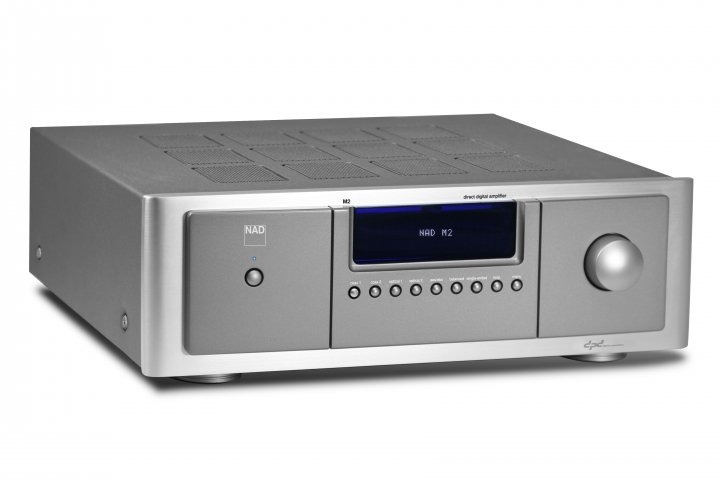
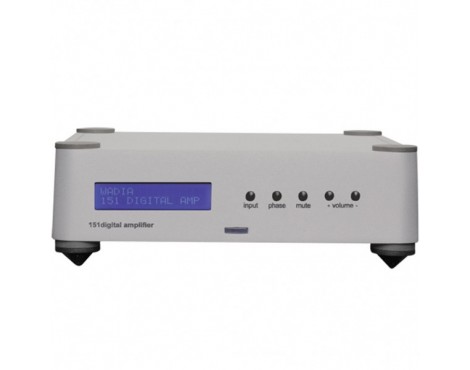
A couple of years ago, my “I want ” receptors went into overdrive when I read about the NAD M2 direct digital amplifier in the Absolute Sound and Stereophile. Although not a new concept, this was the first widely available audiophile grade class D amplifier: essentially a digital to analogue converter that power amplified the digital signal such that the analog path starts and finishes at the loudspeaker terminal. Incoming PCM signals are up sampled to 192kHz pulse width modulation (PWM) that constructs an analogue like sine wave analogous to DSD waveforms. At $6000, this machine was out of my league. I also had three problem with it: 1. If you wanted to connect a turntable, the analogue signal had to be converted by and internal A-D converter into the digital domain; 2. It did not receive DSD signals from SACDs (no HDMI inputs), and so could not be used with high wadia-151-power-dac-mini-silverresolution digital sources – SACD/DVDA/Blu-Ray Audio. Of course, over the past 3 years, high resolution audio files have become widely available, and really – super discs are anachronisms. 3. The thing is enormous – the size of a Musical Fidelity power amp. The major advantage of class D amplifiers is that they can be tiny. For example, I own a Wadia Power DAC mini, which keeps me company in my office. It receives a USB signal from a media center PC, a coax-signal from it’s matching iPod dock, and an optical signal from a CD player. All of these devices take up less space than a shoebox. But the sound, through small monitor audio speakers, is excellent. No it won’t drive large floorstanders, but the powerdac mini acquitted itself well with a pair of Dynaudio bookshelf speakers that I used for a while. There is no reason why a Power DAC of this kind cannot put out 100 or 150 watts. It is surprising that, so far, Wadia have not come out with a PowerDac big brother.
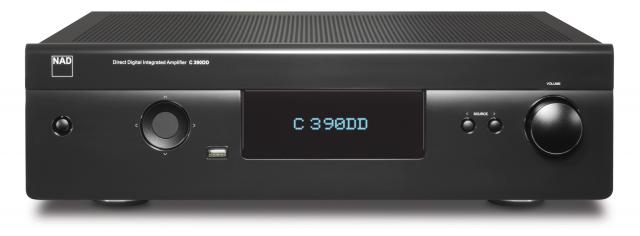
On the other hand, NAD now have a little brother for the M2: the C3900 DD. This power DAC seems every bit as capable as the M2 for half the price – although it won’t impress any of your friends – because it looks like a $250 NAD amplifier not a $2500 one!. Nevertheless, the 3900 is future proof: you can and a variety of mini cards to it (like PCI cards on a PC) – analogue boards, HDMI connections etc. The device still cannot convert DSD from an SACD (so far as I know, however some DVD players will send DSD out the HDMI port – Oppo for example), but it is much more reasonably priced.

Bc3900DDut here is the question – who is going to buy the 3900? Yes, I have no doubt that in 5 years time class D amplifiers will dominate the digital audiophile household (i.e. those houses that don’t listen to vinyl), and this is the way forward. Would I like a 3900 for my non analogue system? Absolutely. Would I drop 2 grand for one? NO WAY! If NAD want to make money out of direct digital, they need to go back to their budget hi-fi roots, and find some way of mass producing C3900DD products for less than $1000, preferably in the $500 range. If they are able to do so – NAD will own the budget digital hi-fi market that they used to dominate.
I note that NAD have produced a fairly expensive DAC, Music Streamer and music vault: all impressive technologies and products. A word of advice for the company: put the streamer technology into the “Budget” version of the C3900DD and sell it as a standalone music center (see previous post) with a matching universal disc player (CD/HDCD/SACD/DVDA/BRA) that directly outputs native signal (PCM or DSD) and iPod/Android dock – and you will sell shedloads of product.

Network Streamers

•February 4, 2013 • Leave a Comment

Bryston_BDP_1It seems that everybody is in the network streaming business. What these devices involve is a single motherboard with a small variety of chips, an ethernet connector, perhaps wi-fi cable plus or minus a DAC and a couple of RCA connectors. Take the lid off and what do you have? An empty box. This invariably has nothing in common with the price. You can pay anything from $240 to $5000 for a network streaming device. However, if you look at what is in the box, you could probably build one for $50. That high end chip in your DAC – it costs about $20. Have a look at what hifi’s network streamer review list: what have these devices got in common? They all seem to be ugly flat boxes with either no display or some microscopic screen on the front the size of the old iPod nano.

There are 3 types of media streamers. The first type is the “invisible” one, characterized by the Sonos system. I have lived with this for several years, and love it. Sonos constructs a music library for you by scanning your network drive and displays albums with thumbnail album art on a superb hand held remote control. Unfortunately that costs $350. Thankfully, Sonos solved this problem by allowing users control their system with iPod, iPhone, iPad and android apps. Now it seems that every manufacturer has taken the lazy approach and used  this interface.7__In_Dash_TFT_LCD_DVD_Player
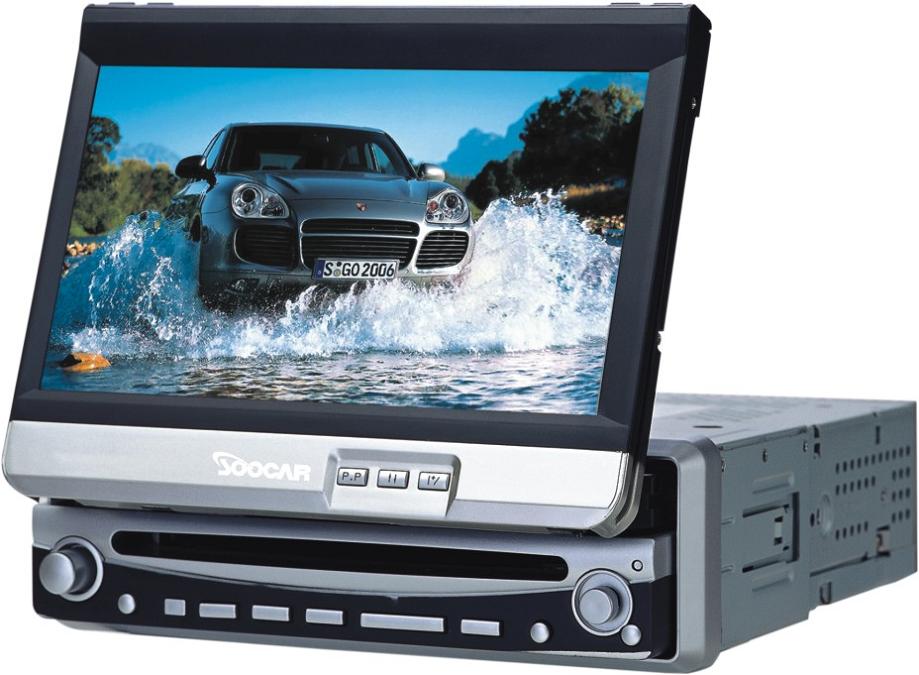
The second type is the rack mount hifi component streamer designed to match the rest of your hi-fi. These all look crap, and many use crappy DNLA connections to grab data from your network drive. Call me a Luddite if you like – but most of us don’t have network drives, don’t want network drives and find them a pain in the ass: why can’t you connect an external USB disc to the back of the machine? Or, better still – sell a matching drive enclosure into which you can place a couple of off the shelf SATA drives (mirrored of course), that you have filled with music from your PC. Or, more simply, just make the network device, the storage device and the ripping device the same: hence RIP-NAS. Another approach is to build a modern “music center” like the Naim Uniti Lite – which would be great if it had a decent color screen. How much more money would it cost to include a little pop up 4-5 inch screen like in dash dvd players (see image). That way – you can have your screen and hide it!
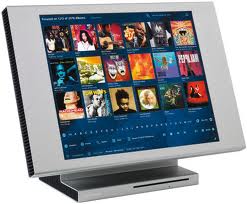
control 15The third type of player – typified at different ends of the spectrum by the Squeezebox touch and the Meridian Sooloos (digital media system). The latter is 20-30 times the price of the former. I cannot imagine that any red blooded male audiophile or music lover would not want to have a Sooloos system. It is cool pure and simple. Yes we all like the remote control iPad thing – but c’mon the control system and software is outstanding. Would I buy it – no way. Look at the picture to the left: this screen looked amazing 3 or 4 years ago. Now – it looks really dated compared with the latest 8000 series Samsung TVs. The whole Sooloos system costs $8000 to $10,000. For that money you can buy some serious high end hi-fi that will last decades: in 5 years time the Sooloos will be old tech that you cannot give away (think of 20 year old Meridian CD players). Most everybody agrees that Sooloss is the best media player with the best software. But very few people can afford to buy it. And, if you have invested in an expensive DAC, why would you want to duplicate hardware.

Right now, music software players on computers are poor – and some, such as iTunes, fiddle with the audio settings so that bit perfect resolution is not delivered. There is nothing worth buying on the Mac (mostly iTunes extenders that allow for proper 24 bit output – such as pure music); on the PC there is J River Media Center – which is pretty decent – but  I find quite flakey – it cannot handle my massive digital library as well as Sonos. I would happily fork over $200 to buy the Sooloos software – even if it meant using a computer exclusively to play audio content. Now that windows 8 is out, with a decent touch screen interface, laptops with detachable screens – surely a clever computer company will build a proper entertainment PC decked out with a high end sound card , a solid state hard drive and Sooloos like software, and blow all of this overpriced kit out of the water. Until then, Meridian can keep their expensive system and I will make do with Sonos for 16 bit and Squeezebox for 24 bit – music, into my Benchmark DAC giving me similar sound quality and experience for a fraction of the price.

How to re-release an album: a case study

•February 4, 2013 • Leave a Comment

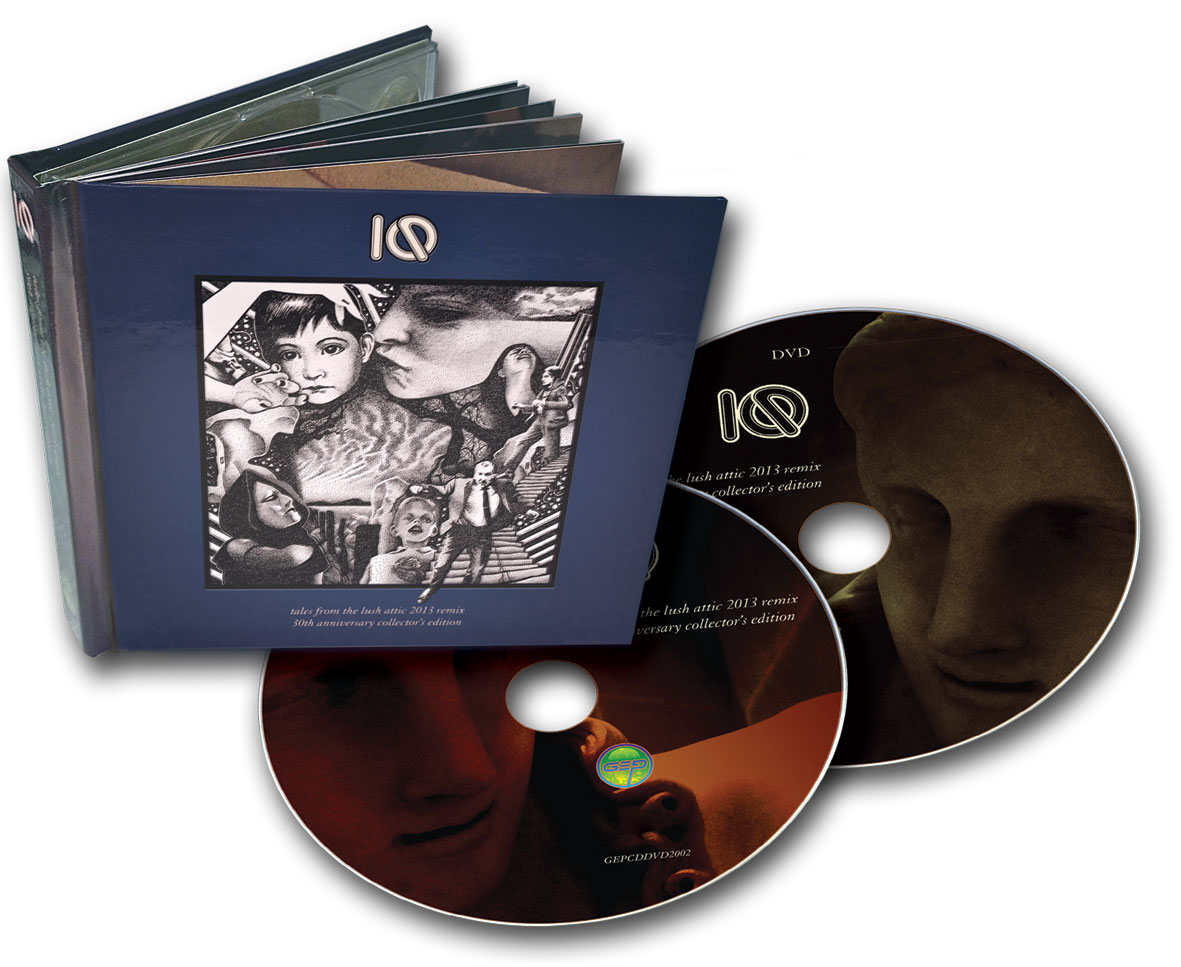
tales_deluxeI have boxes of “Deluxe Edition” re-releases up in the attic. Some wondrous boxes – the Stone Roses, Derek and the Dominos, Screamadelica – that cost a fortune, and many many releases that give you the original album plus maybe a live radio concert (that I probably already had in bootleg form). I love them nonetheless. Occasionally, a reissue-remaster-deluxe edition comes my way that is so good, it is frightening. Step forward IQ.

IQ, like Marillion, started in the 1980s, and carried the continuing torch for progressive rock. Although journalists have called them “neo progressive” – that title seems ludicrous now, considering that the progressive scene was still alive, though on its last legs at the time. If you like early (Peter Gabriel era) Genesis – then you will like IQ. Their most famous record is “The Wake” – and this usually appears in “best of” lists of Prog albums. Recently, however, their first album “Tales from the Lush Attic” was re-mastered in deluxe format, and what an item of beauty it is.
Like many young bands, IQ had no money and no recording contract when putting together their first album, but they got a good deal for a 5 day studio stint in 1983. The product, “Tales..” was a little rushed and rough around the edges. So, last year, Michael Holmes, the band’s leader, got the original master tapes and remixed and remastered the album. The liner notes are wonderful, explaining in detail how each element of the process was conducted, and why this new version, while faithful to the original, more accurately reflects the original vision. Importantly, he explains the true utility of Pro Tools for the mixing engineer.
The product comes in a hard cardboard folder, with a lovely internal color booklet of photos, lyrics and liner notes. The album sounds wonderful, and, along with a variety of bonus tracks, comes with a DVD full of video (the whole album live in 2011), photos, MP3 files (original album plus demos audio commentary – just loads of stuff). It cost me 9 pounds on amazon uk – bargain of the year I would think. This IQ release is an example of a really good product produced by a band who care about their fans and want to give them something to treasure and value for money. When you look at the overpriced shoddy crap that was put out by Pink Floyd last year (the “Wall Immersion Editon” really got up my goat). Highly recommended….must order “The Wake” now.

Provenance Again

•February 4, 2013 • Leave a Comment

Somehow I have found a couple of sources of CDs locally since HMV closed. Marvelous new double album from Biffy Clyro. I am also digging Matthew E. White, EELS, the Lumineers, I am Kloot and, in particular, Lord Huron. It’s a good year already. Reading reviews of the Lumineers album, you can feel the pushback from Mumford and Son’s success. It sounds like Bob Dylan circa 1961; fairly compelling. However, Lord Huron is a far superior production and I love it: it is Fleet Foxes meets the Polyphonic Spree. It should be vinyl nirvana 8/10 music 1/5 loudness.
lord huronAn interesting observation about the Lumineers is that they clearly mention the studio (Bear Creek), producer, mixing engineers and mastering engineer (Bob Ludwig). In the past they would have mentioned, in the liner notes, the type of microphones and the console board. It’s a strange thing, provenance: I presume that the album was recorded digitally – but I don’t know: the studio has both digital and analog equipment. Why not tell us about the recording. An example of a record label that distinctly emphasizes provenance is 2L – a Norwegian recording company. 2L records in super high DXD resolution and the sound of their recordings is awesome (I purchased a couple of their CD/SACD/BRA recordings last year).

I also picked up 2 back catalog recordings this week. I picked up Crosby, Stills, Nash and Young’s Deja Vu, a recording10.2.13 that I had on tape about 20 years ago. The disc was listed “digitally remastered” – the back cover informs us of the name of the remastering engineer – but no date! There are many albums that have been remastered 2 or 3 times, and I know that the CSN debut album was remastered as HDCD about 1o years ago. So what about this one? I am not sure, but I presume, after a bit of googling, that this was a 1994 remaster (in other words, pre loudness war and likely to be really good). Of more interest was “Discover America” by Van Dyke Parks, a disc that I bought used in the US in 2002. From Discogs, this may be the 1990 version (which I suspect it is) or the 1999 remaster. It is an enjoyable disc, but the mix is a little muddy. So, I spied a new release on Bella Union that came out last year in Europe. It was priced at euro 22.99 in my local HMV. So I waited and finally acquired it for euro 8 at another place. Now here’s the catch. I open up the packet, and there is minimal artwork, a flimsy replica liner note and a disc: nothing else – no nice little essay by Parks about the recording or by someone who’s life was changed by it. No information about the recording’s provinance: and then it hits me – is this a REISSUE or a REMASTER? Is it just a repackage of the disc from 1999 or worse the original 1990 CD. I am beginning to suspect so. So it may be a reissue of a remaster. In any case, Bella Union should inform us in the liner notes, and preferably on the outside cover – is this AAD, ADD, is it remastered – if so – by whom and when? If it is just a reissue the CD does not justify premium pricing.
I note that Rumours has been REISSUED again as a deluxe edition – the record company in this case make it clear that this is the 2004 remaster; and rightly so. As I have mentioned before, generally the 1990s remasters are the best digital recordings available, and virtually no album that has received a 21st century (iPod era) remastering improves upon it’s predecessor. That applies in particular to the Rolling Stones (1999 remasters). Read this nice list

The Beatles on Vinyl

•January 31, 2013 • Leave a Comment

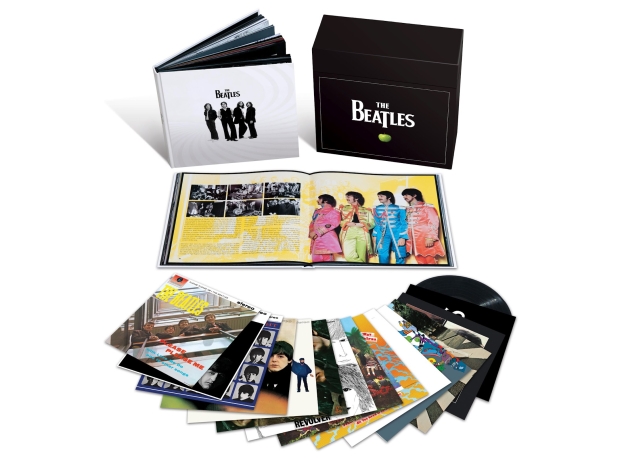
beatles-vinyl-2012I ranted a few weeks ago about the fact that virtually all new vinyl these days is derived from a digital source. In some cases this is a crappy 16 bit CD that has beenripped and then mastered on vinyl. For most new recordings it is a 24 bit 192 kHz digital file set (I presume). In many cases the best available version of an album is a digital folder derived from the original masters, many of which are in very poor physical condition. If I am going to fork out big bucks (20 to 30 euro/pounds/dollars) for a vinyl LP that I probably already have (or could buy the CD for a fiver), I would generally prefer if it is an analogue sourced, analogue mixed and mastered recording. These are few and far between. If you are analogue obsessive then you need to go to specialist labels such as mobile fidelity. Otherwise – lord knows the provenience of recordings.

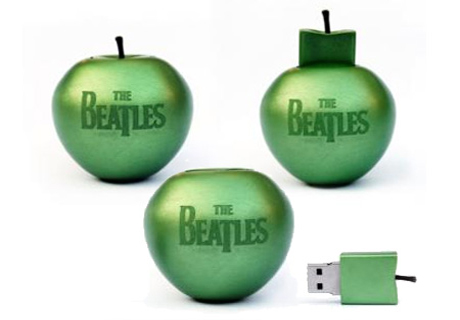
And so, the Beatles. On vinyl. Lots of publicity and Beatles fans frothing at the mouth. $300 – nice box, gorgeous hard cover book and heavyweight vinyl – what more could you ask for? How about analogue mastering and the original mono albums. Well, unfortunately these are the stereo versions (including the 1980s crappy versions of Rubber Soul and Help), and, believe it or not, they are derived from digital files. No not the 24/192 masters that were down sampled for the CDs, those self same 24-48 files that came in the apple usb key. Boingo. According to an article in this month’s HiFi World, this was the best source available, and that 48kHz was easier to work with than 96 or 192. Moreover, there is absolutely no sonic benefit, in vinyl, using an inaudible source. Makes sense, of course. But……The reviewer, Paul Rigby, informs us that the new box set is better than previous 1970s reissues and may be better than the original releases. This is unsurprising, as, lets face it, vinyl in the 70s and 80s was crappy and aeons away from the beautiful virgin 180g vinyl that we buy today. The original pressings were made for Dansettes not ClearAudio turntables. But still, what is the point of vinyl derived from digital sources. Does the-beatles-limited-edition-usb-driveit sound better? I recently bought Bowie’s Ziggy Stardust remaster on vinyl that came with a DVD-A disc encoded at 24/96, which I immediately ripped to flac and played on my squeezebox thru SPIF to my Benchmark Dac 1 Pre. I flicked back and forth between vinyl and 24 bit file and I could not tell the difference. They both sounded great. It is a pity that Paul Rigby didn’t compare the vinyl box with the usb box, and compare different delivery systems for the same music source. I found the reviews on Amazon hysterical – “the quiet bits are really quiet” – yes they are but they are quieter still if you listen to the digital files. I really think that this vinyl thing is a fad – a cool fad that impresses guys like me. [the amazon reviews are worth a read]
Lets face it – when you see John Cusack’s apartment in Hi-Fidelity – you really wished you lived there: vinyl everywhere when it was still out of fashion. I often wonder how many guys got into vinyl after seeing that film or reading the book. I think that walls of vinyl look cool, but I thought walls of DVDs and CDs were cool too, and that would horrify any modern interior designer. Hence all of us store our CDs in the attic in boxes. Beware vinyl lovers – today’s obsession is tomorrow’s storage problem.

I suppose it is the job of record companies to sell music, no matter which way it is packaged. I am astonished that they have not flogged a Beatles box set in SACD, cassette tapes or wax cylinders. There are those of us who would buy them. Will I replace my 1970s Beatles records with the new vinyl release – NO – not even Abbey Road.

ps. Did they include all of the extras in Sgt Pepper – the masks, posters etc?